



















Madagascar was among the countries that I dreamed of, especially through Baobab trees, until I set out to shoot a documentary, but I knew that the economic situation was weak. However, one of the points that surprised me most when I came here was the quality of service.













Text and Photos: Tulga OZAN
@tulgaozan @dunyadegismeden
My previous conversation with our friends Vedat and Zafer gave me the impression that this was a country living in very poor conditions, but when I started exploring, I saw that there were excellent hotels and restaurants. I was especially surprised by the food I ate, which was of very high quality and well presented. As far as we learned here, retired French chefs started to settle in this country because the quality of the meat is very good and the country is cheap.
First Contact Tana in Madagascar
Antananarivo, or Tana for short, is the city where the first contact with the country took place. It has an atmosphere that reflects both the African spirit and French culture. One of the most enjoyable experiences in the city was traveling around the city in old Renault 4 taxis that we have forgotten to see anymore. I felt a Cuban atmosphere on this island from the moment we left the airport. Compared to continental Africa, it makes you feel incredibly safe and the Malagasy are very calm people. After having a nice breakfast on the banks of the "Palais de La Reine" in the morning, we tour the city by vehicle and finish our day at the Analakely market.
When it comes to Madagascar...
One of the features that comes to mind when Madagascar is mentioned is the diversity of plants and animals. Ninety percent of the 13 thousand living plant species are endemic and the animals that have become the symbol of this island are lemurs. These animals, which are primate species, had the chance to continue their lives thanks to Madagascar being separated from the African continent. Since they were much more docile than other primate and monkey species, they were able to continue to find food and escape the cruel hunters of Africa, thanks to the island being cut off from the land.
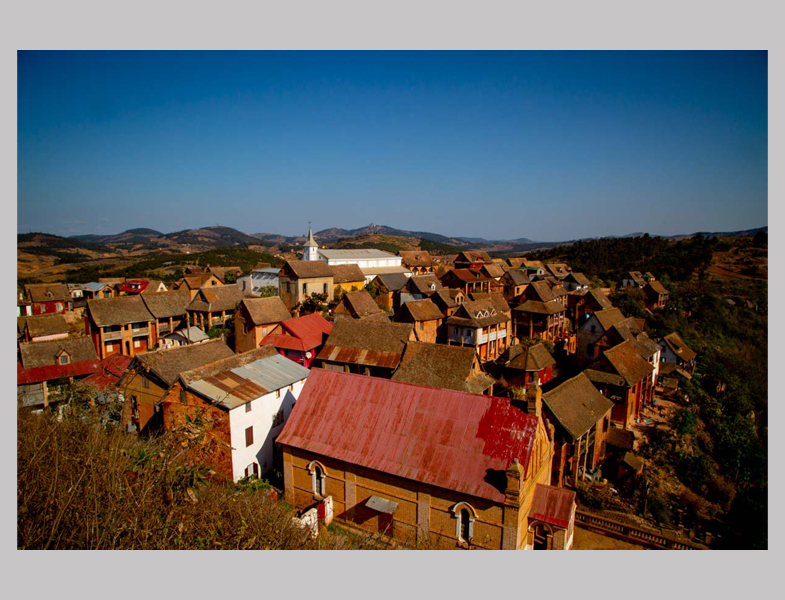
It is possible to see lemurs in many places in the country, but Dokuna Forest Lodge, located next to Parc National Antisibe Mantadia, was the ideal place for us. Playing and making close contact with lemurs that are very accustomed to humans on the place called Lemur Island is an enjoyable experience, even if it is a bit touristy. During the two-hour drive to the Lemur park, what caught my attention the most were tile production and rice. Especially the images we saw throughout the trip gave me the feeling of South East Asia rather than Africa. Images that look like miniature models of the Banaue terraces in the Vietnamese town of Sapa and the Philippines have appeared all over the island.
Nightlife in Tana
The nightlife of Tana is also lively. Although clubs named Six, Le Bus and Kudeta come to the fore, we should not expect much action outside of the weekend. The liveliest place in the city every evening is the restaurant called Glacier.
All Around the Island…
To visit the island, you have to risk some difficult roads. Although the most touristic route in general is the "Route National", which travels 1000 km towards the south, I prefer to go to the west side of the island. Moving south, the first stop is Antisrabe, the third largest city in the country. This city, founded by Norwegian missionaries in the 1800s, is also known as the thermal center of the country. Since the touristic center is not very large, we prefer to travel here with small vehicles pulled by people called "pousse-pousse". Even though all the drivers start a slight fight to get a job when they reach the starting point, they are too calm in nature to cause tension. After a rickshaw ride of about an hour, it is ideal to take a break at the Hotel des Termes, the most beautiful place in the city, and observe the old days.
The southern road continues towards the city of Fianarantsoa. However, on the World Changes tours, we make sure to move west and catch the Famadihana ceremonies held in mountain villages at certain times of the year. Fun organizations organized with family elders exhumed for a tradition originating from animism ensure that the ties with the Ancestors always remain alive!
In my opinion, the most special part of the island is the west coast. “Allee des Baobaps”, located near the city of Morondava on the banks of the Mozambique channel, will be the place where you will experience the most beautiful sunset and sunrise on the island, with many Baobab trees approximately 260 m high. Although tourist groups flock more in the evenings, the tranquility experienced during the morning sunrise, the life of the local people and the magnificent harmony of the light with the trees allow us to take the most beautiful photographs.
Another attraction of the west coast is the rock forests called "Tsingy". This natural formation, located in Benahara national park, was formed by the rise of rocks as a result of the collapse of the Mozambique Channel. Reaching the area, which requires some physical effort, is a separate adventure. During the journey, where we travel 200 km in 10 hours with 4x4 jeeps, we get on rafts with our vehicles to cross the river twice and see the least polluted villages of rural life. On the other hand, in a geography full of impossibilities, in a village where there is no electricity, eating bull's tail, served with an almost Michelin-level presentation at the restaurant called "Mad Zebu", causes a complete culture shock. It surprised even me that I had never eaten something this good even in Andalusia, where I had been going for years.
If you want to continue south via the "Route National" in the south, which I do not prefer, my recommendation would include the Fianarantsoa train - if it is running. However, it usually breaks down because too many lychee fruits are loaded on the brake, and it is not clear when the train will arrive.
Another “local experience” along the way is the Zebu market in Ambalavao city. It is held only on Wednesdays and Thursdays, and growers and sellers from all over the island come here. Zebu oxen also appeared in other countries in South Asia. However, the breed on this island is considered the purest example and is the most important source of meat in the country. Since growers come from all over the island, beautiful images can be produced. There are three main tribes. Those living on the Tana side are the Merina tribe, the oldest natives of the island. This tribe was formed when Malaysian pirates came to the island. Betsileo and Baras are other crowded tribes.
Another touristic attraction is Isalo National park. When I came to this region, they praised Isalo a lot, but since I did not do any special research on animals and plants, it did not impress me much. I don't think it will affect too much a traveler who has seen Cappadocia and/or the Grand Canyon. However, I think the town of Ilakaka, which we visited in the morning on the way out of İsalo, is the best stop on that route.
Precious stones in Ilakaka
Until 1998, Ilakaka was a town consisting of three or five houses, and there were plenty of "passion fruit" trees, which in the past were called "pomegranate" (grenade) in French, around it. Since the mineral resources of this island were not very visible at that time, it had very important lands, especially for Passion and Lyche fruit traders. The discovery of sapphire happened entirely by chance. A French merchant named Delorme noticed the stone in the passion water he bought and decided that it should be examined. When he went to the city of Tana with the stone sample in his hand, the tests he had showed how valuable the stone was, and naturally he hid this information from everyone and went to France for two months to complete the mining preparations. When he returned, he found that three thousand miners were already digging in the village, the information of which he hid from everyone.
Growing like a mushroom, the town of Ilakaka has now become a center that employs hundreds of thousands of people in the surrounding area. The images we came across by chance in a stream bed as we entered the village in the morning were truly beautiful. Miners sifting stones in the stream, people washing cars, women and children taking their daily baths next to the security guards standing there to prevent the miners from stealing sapphires created very complicated but pleasant scenes. After the photo break in the village, first the mines are visited for a fee, and then they give information about the stones in the shops in the village. There are not only Europeans and Malagasy people in the city, but especially many Sri Lankan, Chinese and Thai traders.
According to what they claimed during the mining tour, ninety-five percent of the stones excavated in the world in the last ten years came from Madagascar, but they bought them from here and marketed them in Thailand and Sri Lanka. The shop I visited belonged to a Swiss miner boy. He is from Geneva and although he does not look very old, he has been mining in Madagascar for a long time. Our guide is the manager of the store, of Ghanaian origin, and the man's right-hand man. When a mine was discovered here in 1998, he immediately brought it here from his mines in Ghana and has been living here since then. In short, it is perhaps the most cosmopolitan town on the island.
Tulear, the island's second largest city in the south, is located on the shores of the Mozambique Channel. When I first went, I expected the port feature to be more prominent, but due to one of the world's largest coral formations located very close to the shore, there was no suitable area for a port. According to what they said, there were very large ports, especially on the eastern side of the island.
The island of Madagascar is a geography where a traveler can learn many different things than his preconceptions and also observe beautiful human landscapes. This route, where you can take lots of photos and discover many different flavors along the way, has become one of my favorite places to go every time.