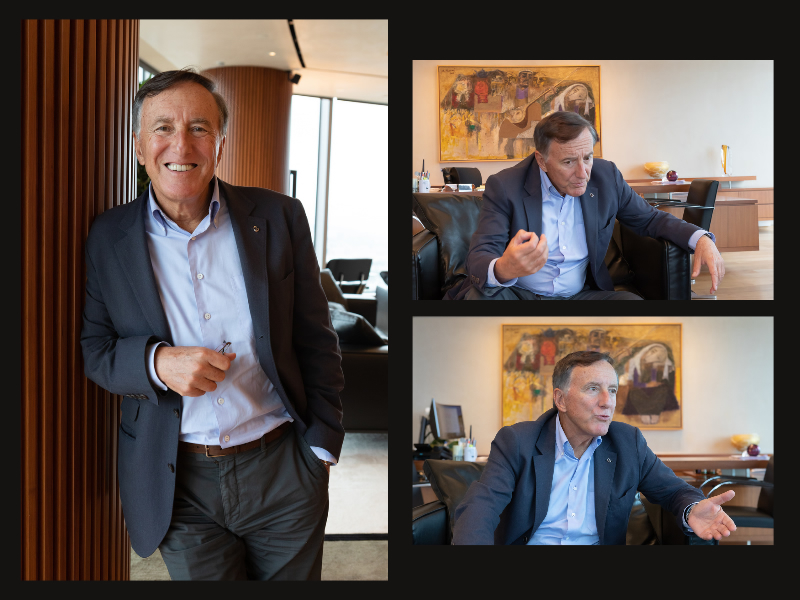




















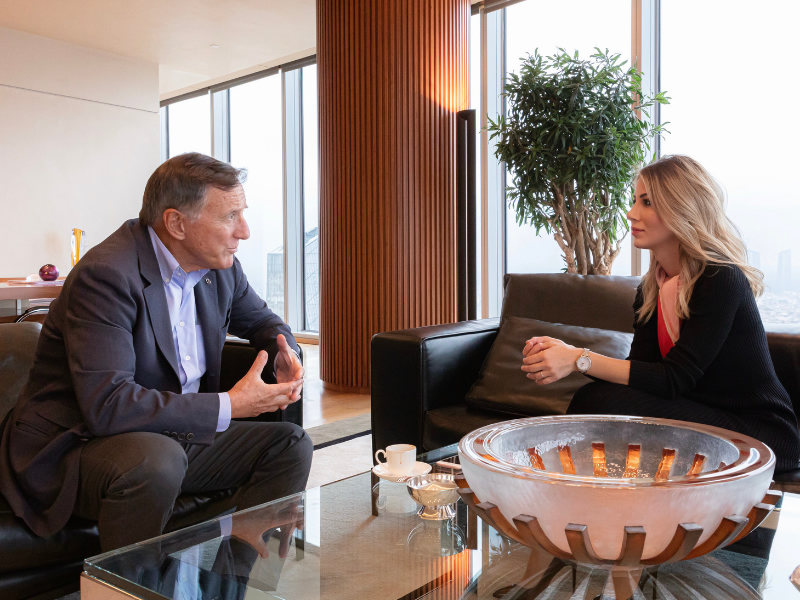
When asked who in Türkiye supports art and artists through significant investments and cultural initiatives, almost everyone would immediately think of the Eczacıbaşı Family. This commitment has become something of a tradition for them. However, this interview is neither about investments nor cultural initiatives. In the following pages, you will discover more about Bülent Eczacıbaşı’s long-standing passion for photography and his journey as a photographer. We had the pleasure of conducting a delightful interview with him at his office at Eczacıbaşı Holding. It was a privilege for us to listen to his insightful ideas, many of which we believe will inspire our readers, and to share them with you.
Interview: Nihan ÖZGEN MELEKE
Interview Photography: Adem MELEKE
Mr. Eczacıbaşı, you are one of the most prominent figures in Türkiye with a strong interest in the arts. We would love to hear from you about how you discovered art, the meaning you attach to it, and what it makes you feel.
As the son of Nejat Eczacıbaşı and Beyhan Eczacıbaşı, it would have been impossible not to discover art. Neither of my parents was an artist, but both were deeply interested in the arts and lived surrounded by them. Naturally, our home and the environment in which we grew up were places where art was always present. I did not become an artist myself, but I have always maintained a strong interest in art. I believe art is an extraordinary source that enriches human life. Picasso once said that art is the force that wipes the dust of everyday life from our souls. The more everyday life covers our souls with dust, the more we need art. But I wonder how aware we really are of this?
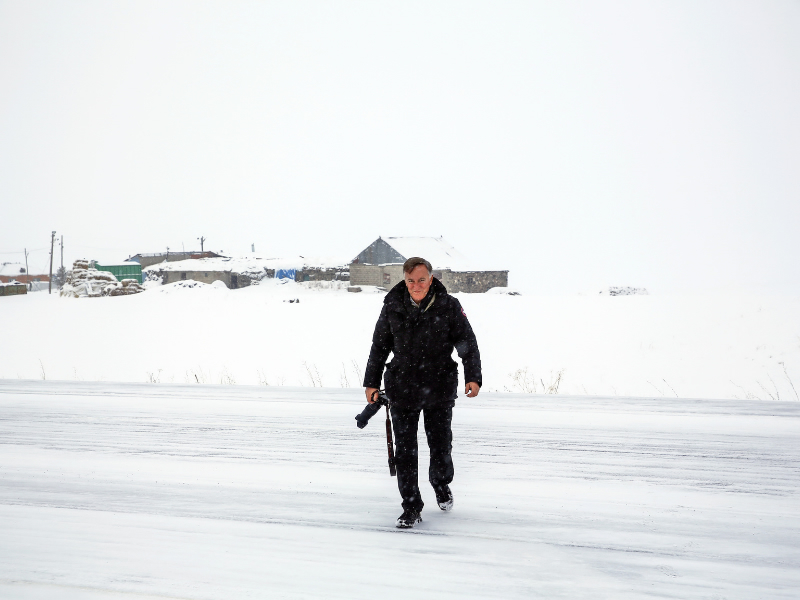
How did you first encounter photography? Why photography?
I discovered photography during my university years, when I took photography classes for two semesters. We are talking about the early 1970s, which means I became passionate about photography long before digital photography emerged. For someone who is interested in art, technology, travelling, discovering different places and collecting memories, what could be a better pursuit than photography? That is precisely one of the greatest things about photography: whatever you are interested in, you can combine that interest with photography. Sports, astronomy, flowers, insects, nature – the possibilities are endless. Everything becomes more beautiful through photography. If you know how to take photographs, you begin to look at everything from a different perspective.
Recently, you have been sharing more of your photographs on Instagram. Do you follow a particular strategy when posting on the platform?
After developing an interest in photography, I spent nearly fifty years taking pictures without sharing them with anyone, simply for my own enjoyment. I would occasionally put together slide shows for friends after trips we had taken together or give them photographs as gifts. What other options did I have? Digital sharing platforms did not exist, I did not consider myself skilled enough to hold an exhibition, and I did not particularly feel the need to share my work. Then, two or three years ago, a close friend of mine, Ercan Arslan, who is a highly accomplished photographer, happened to visit me at my office. He came across my photographs, liked them, but said, “Unless you share these, they have no value.” From that day on, I started sharing my photographs on Instagram and discovered that doing so brought a different kind of pleasure. I do not have any particular strategy. I simply share photographs I have taken myself and occasionally add interesting information when I come across something worth sharing, although I try to keep my captions short.
We have noticed that you maintain a strong connection with your Instagram followers, whereas people who are popular or influential often tend to remain more distant. Why have you chosen a different approach?
I am not entirely inaccessible, but I insist on using Instagram as a platform for sharing photographs rather than as a communication platform. My email address and telephone numbers are publicly available, and communication through these channels already creates enough demands on my time. I would never want to discuss personal or business matters on Instagram.
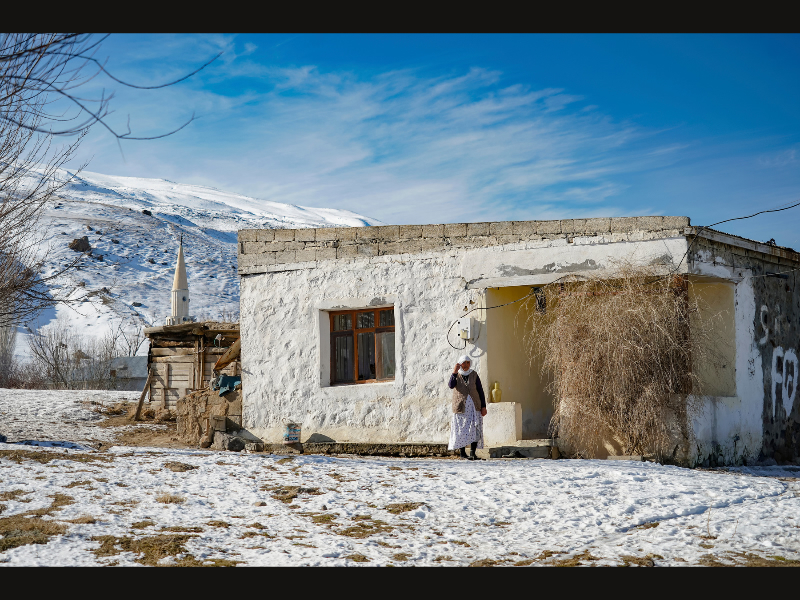
In your opinion, what should a good photograph include, and what should it avoid?
If you look at photography books, you will find that a good photograph is expected to have beautiful lighting, correct exposure, strong composition and an interesting subject. Amateurs like us try to learn and apply these principles. Professionals, on the other hand, have internalised these rules and apply them perfectly without even having to think about them. When it comes to artists, however, they create works of art by breaking these very rules, because an excellent photograph may not conform to any of them. To describe the photographs of artists at the highest level, I like to refer to the words of the great photographer Ansel Adams: “Photography is not simply made with a camera. It reflects all the photographs you have seen, all the books you have read, the music you have listened to and the people you have loved.”
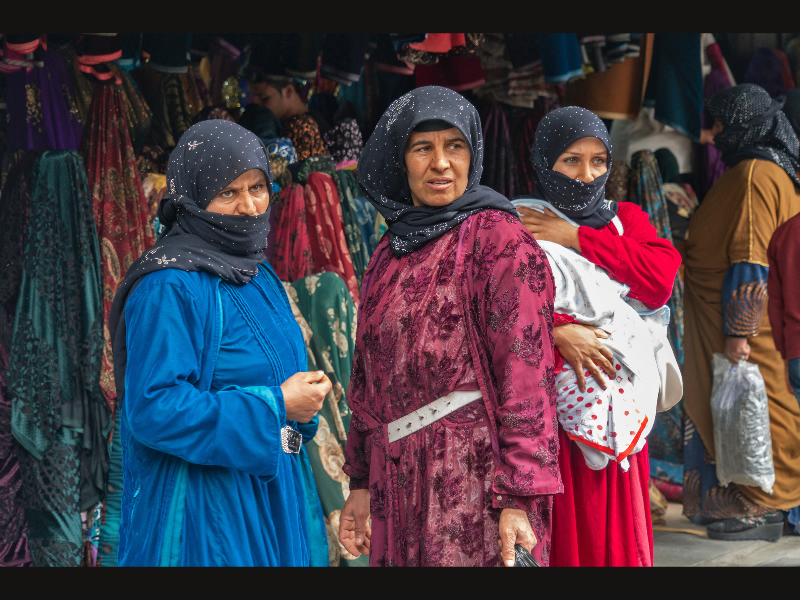
What kinds of photographs do you enjoy? Portraits, nature, everyday life or experimental photography?
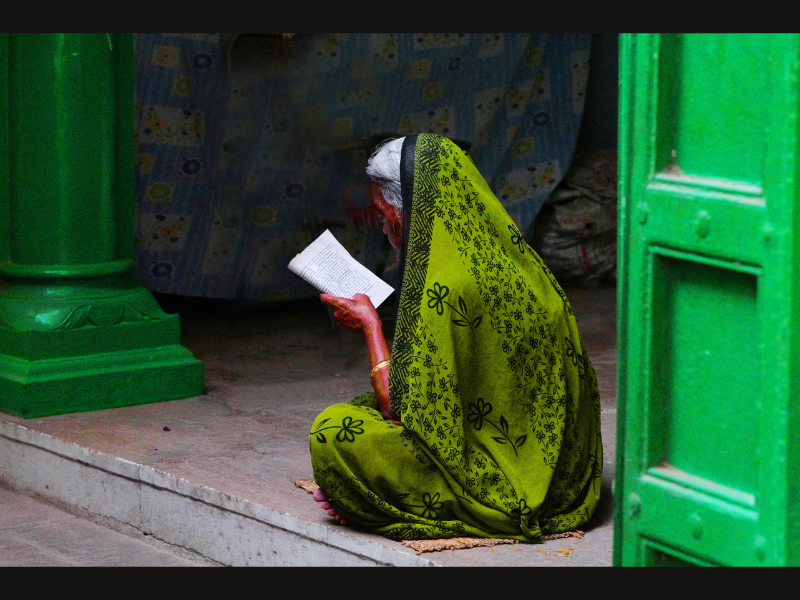
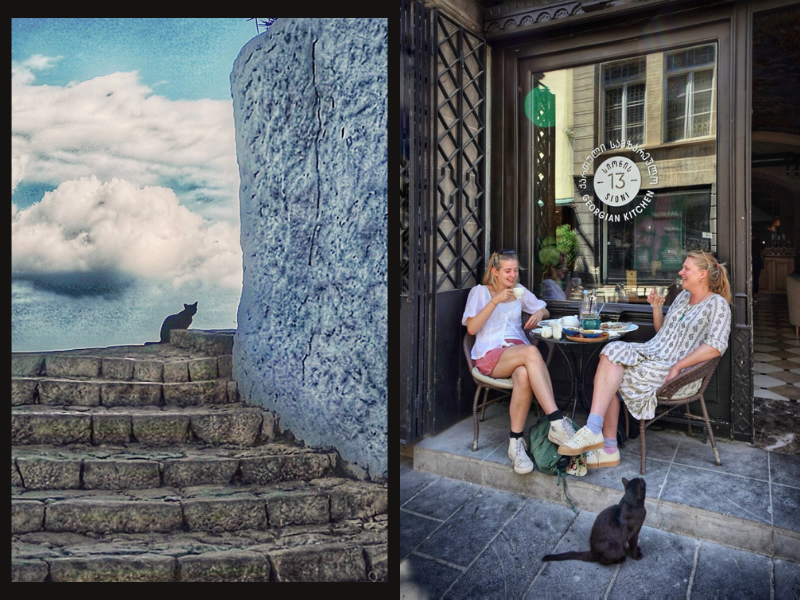
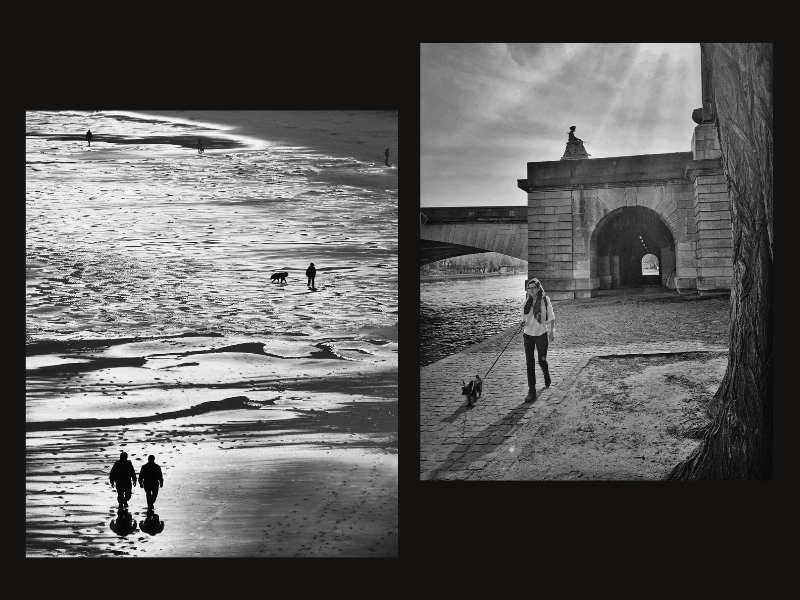
As a viewer and photography enthusiast, I enjoy all kinds of photography, but I am particularly drawn to the work of master street photographers. When taking photographs myself, I find the greatest pleasure in capturing people and their surroundings. I love photographs that tell a story, or at least offer clues to one; photographs that evoke an emotion while also possessing aesthetic value.
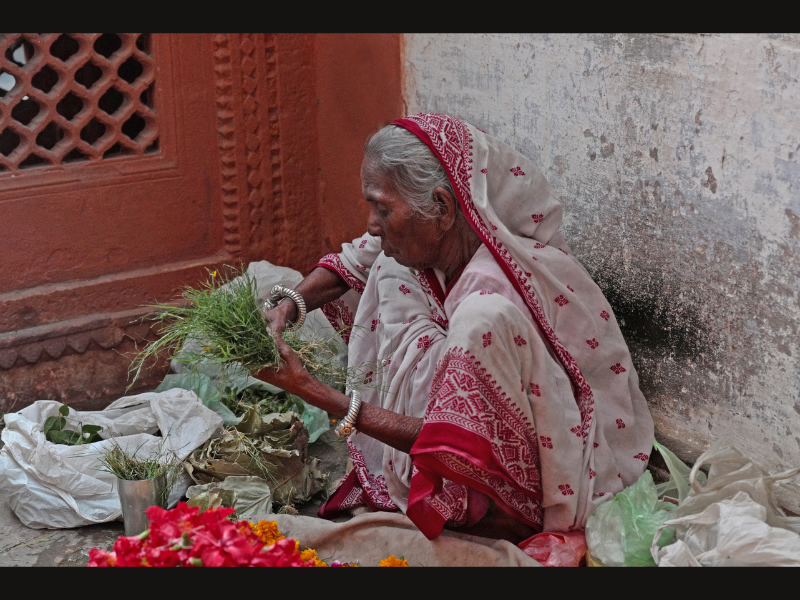
Which places have you visited specifically to take photographs, and which have made the greatest impression on you?
First of all, let me point out that you do not need to travel anywhere to take beautiful photographs. You can take wonderful pictures even without leaving your seat. That said, I do travel to different places to take photographs because I enjoy discovering and getting to know new places. Taking photographs wherever I go allows me to look at the places I visit from a different perspective and gives me the opportunity to preserve my memories. I take great pleasure in exploring Türkiye with my camera. Since I prefer photographing people and environments where people gather rather than landscapes, the particular foreign country I happen to be in does not make much difference to me. But if you asked me to choose just one country where I could spend a week taking photographs, I would choose India.
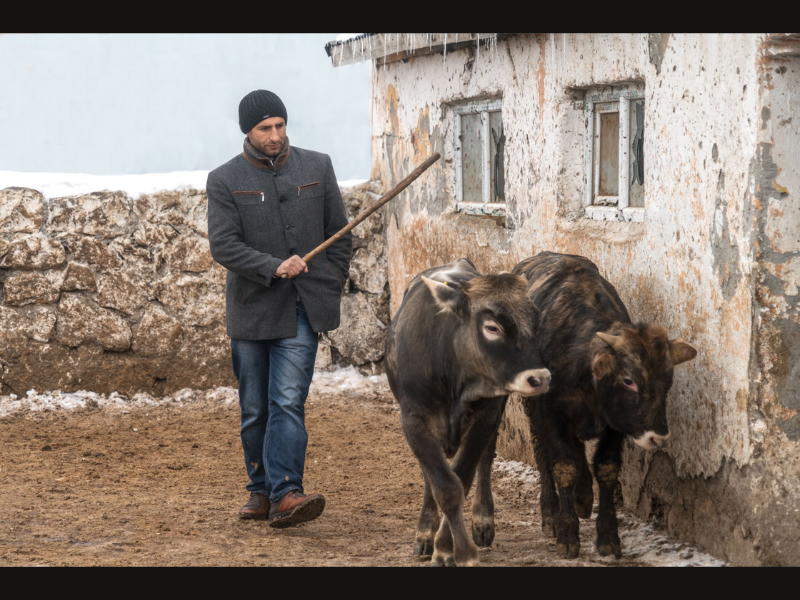
How would you assess the current state of photography in Türkiye compared with the rest of the world? What are your thoughts on the development of photography in our country?
Photography arrived in our country towards the end of the nineteenth century. It was quickly embraced and developed, playing an important role in introducing the young Republic to the world and documenting the country's progress and transformation. However, after such a promising beginning, we can see that Turkish photography has not maintained the same momentum of development up to the present day. Undoubtedly, we have highly talented photographers who have achieved international recognition and won awards. But I believe we need to look at the world of photography as a whole and consider it as an ecosystem with various interconnected components. How much space do museums and galleries allocate to photography? Are there dedicated photography galleries? Are there enough photography collectors to create a viable market? Are these collectors committed to developing collections with clear acquisition policies and long-term objectives, or are they primarily art lovers who purchase photographs for decorative purposes? How widespread is the understanding of photography as an art form? Do institutional photography collections exist? What are their objectives? Do institutions allocate budgets for them, and are these collections managed professionally? Are there professionals qualified to manage them? Are there art consultants specialising in photography who can support collectors? Have galleries and collectors developed an established awareness of, and commitment to, supporting photographic artists? What is the standard of photography education? How many photography books are published? The answers to these and many other questions would help us assess the overall standing of our photography scene. I do not have concrete data to answer all these questions, but I believe it is clear that we still have a very long way to go before our photography scene reaches the level of development we see in advanced Western countries.
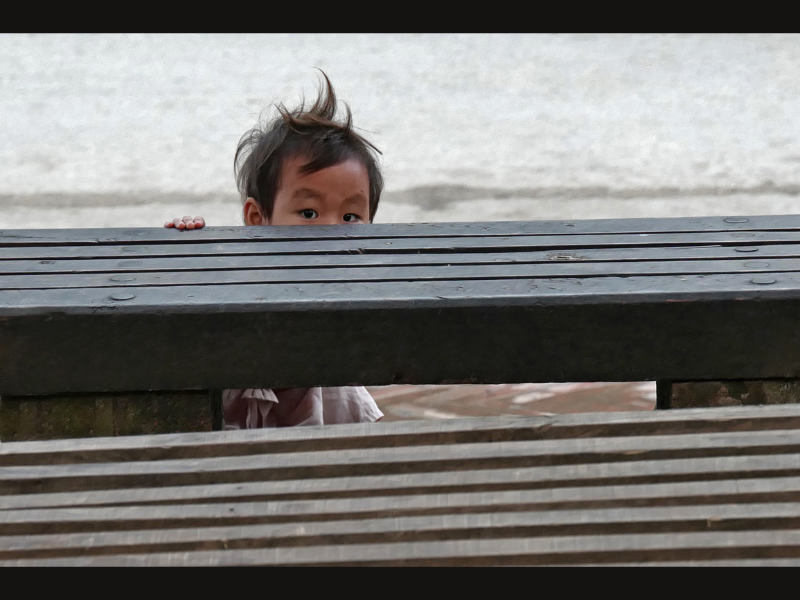
On the other hand, we should not overlook some positive developments. Interest in photography is growing among young people; an increasing number of galleries are giving photography greater prominence in their programmes; the number of young collectors is rising; new generations of photographers are producing fascinating work; awareness of photography as an independent art form is becoming more widespread; and the number of photography festivals is increasing. Furthermore, photography houses and clubs, which have become part of the cultural fabric of our cities, provide opportunities for sharing experience, nurturing new generations of photographers and creating social spaces for exchanging ideas. Thanks especially to Instagram, it has become much easier to discover and share the work of photographers who have emerged from these communities. Our responsibility is to introduce our photographers to wider audiences, provide them with opportunities to exhibit their work, introduce our art lovers to the world's finest photographic artists and encourage collecting.
Istanbul Modern has been doing all of these things since its establishment. It has a dedicated gallery space for photography exhibitions within a museum in Türkiye, as well as a collection that has grown to 8,000 works through acquisitions. As Eczacıbaşı, we have also been contributing to the development of photographic art since 1968 through our photography yearbooks, documenting the work of leading figures in Turkish photography and preserving their contributions for future generations.
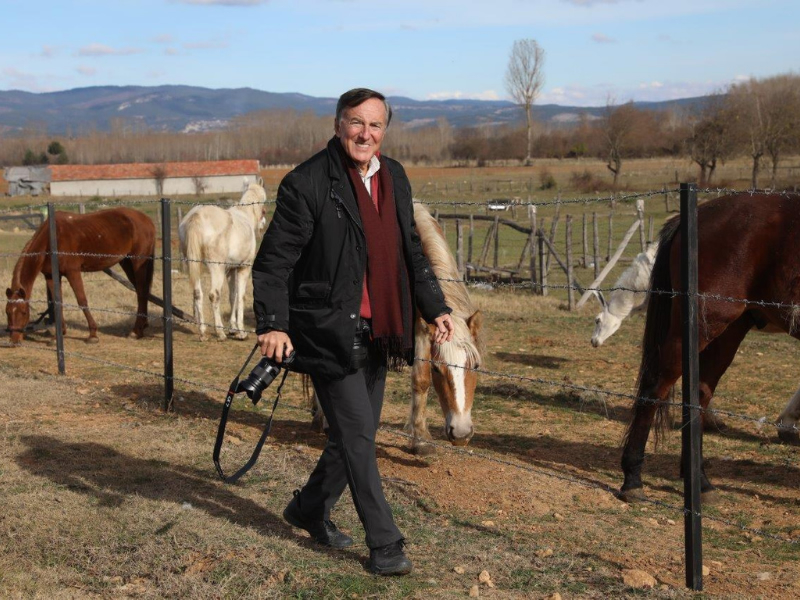
Are there any essentials you always carry in your camera bag? What types of cameras and lenses do you generally prefer?
I usually set out on photography trips with two camera bodies and three lenses, along with a tripod. A few years ago, I decided that it would be best to move towards medium-format cameras in terms of sensor size and mirrorless systems, as I felt I could anticipate the direction in which technology was heading. But let us not forget one thing: “The best camera is the one you have with you when you need it.” Today, mobile phones are also capable of taking excellent photographs. I take a significant proportion of my pictures with my mobile phone. Mobile phone cameras have improved so much that I sometimes feel they create the impression that photography is no longer something worth investing serious time and effort in, rather than encouraging people to take it seriously. After all, you simply touch a button and a beautiful image appears on your screen. Yet even things that seem easy are difficult to do exceptionally well. Just look at the award-winning photographs in mobile photography competitions; you will be amazed by the masterpieces you find. Taking photographs with a mobile phone also involves considerable skill and nuance. You need to invest time in learning how to do it properly.
I do not particularly enjoy discussions about brands. I see far too much unnecessary time being spent debating which camera brands are superior. Of course, the quality of the equipment you use matters, wherever and whenever you use it. However, all the leading brands produce extremely high-quality cameras incorporating advanced technology. I believe photographers should only start thinking seriously about specific equipment and brands that suit their individual preferences and needs once they have reached a more advanced level. If you do not have such specific preferences, it is far more important to think carefully about the type of camera you actually need and devote your time to improving your photographic techniques and knowledge rather than researching which brands are supposedly superior. We all have limited time. Instead of getting caught up in websites and forums debating camera brands, I would recommend spending that time studying the photographs of the masters.
What should we do to improve our photography skills?
As with anything else, gaining practical experience is undoubtedly important, but it is not enough on its own. Analysing the work of good photographers and studying photography magazines, books and websites are all extremely beneficial. However, I believe one of the most overlooked aspects is the importance of taking lessons or creating opportunities to engage with experienced photographers and masters of the craft. No book can point out the mistakes in your photographs. Photography, much like tennis, golf or painting, is something you learn under the guidance of another person. You either need to take lessons or work closely with a master; someone who can show you what you are doing wrong and what you are doing right. Otherwise, you may spend years taking poor photographs of beautiful landscapes. Your friends will praise your work, and you will believe you are a good photographer. But if you ask an accomplished photographer for an honest opinion, they will probably point out ten things you could improve. We should never forget that recording an image and taking a photograph are two very different things.
Do you think photographs should be digitally manipulated after they are taken?
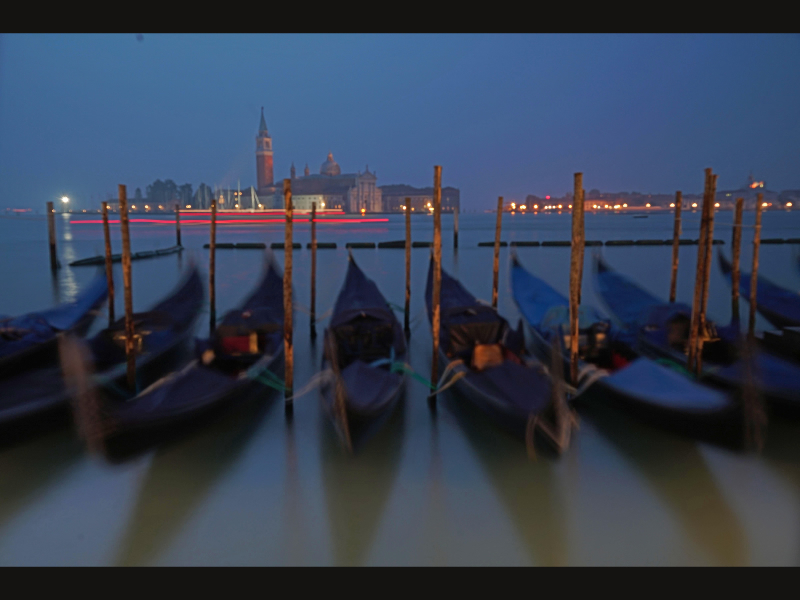
Yes, they should. In fact, you can safely assume that virtually every photograph you encounter in magazines and books today has undergone some degree of digital manipulation. I believe the real question worth discussing is this: To what extent should a photograph be digitally manipulated? The answer depends on the type of photography you practise.
The use of the word “digital” in this context is relatively recent. I developed my interest in photography during the film era. While taking photography classes at university, I spent most of my time working in the darkroom. Even back then, we learned how to manipulate photographs using the techniques available at the time. Manipulation has always been part of photography; the fact that it is now digital does not make a particularly significant difference. The debate over whether photography reflects or distorts reality is certainly not new. In fact, we begin manipulating an image from the very moment we set out to take a photograph. When choosing our lens, deciding on our angle, adjusting the lighting and setting the focus, we are already influencing how the image will be captured.
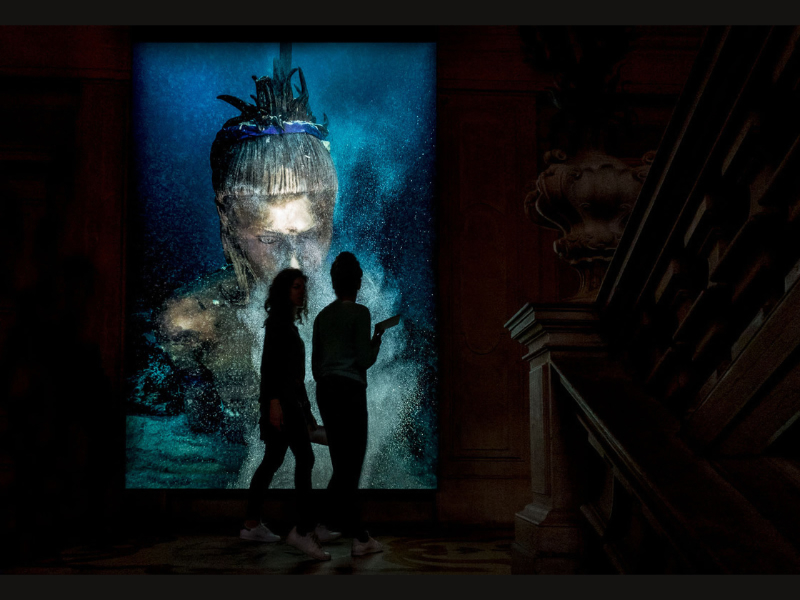
The extent of manipulation, however, is an important issue. At one end of the spectrum are photojournalists and news photographers. They have an obligation to represent reality as accurately and completely as possible, ensuring that they do not mislead their readers or viewers and that they maintain their trust. Apart from certain basic adjustments, any manipulation that distorts reality to the point of misleading the audience would violate the ethical principles of their profession. At the other end of the spectrum are photographers who aim to create visual works of art, make no claim to represent reality and are open to experimentation within the limits of their imagination. For them, manipulation is naturally not an issue; in fact, manipulation is central to everything they do. Some create the entire image on a computer screen. In this respect, they are not very different from painters who begin with a blank canvas and use brushes and paint to bring the images in their minds to life. Between these two extremes lie many different genres of photography. The ethics of manipulation need to be considered individually in each case. What matters most is that the intended audience is not misled and does not suffer as a result of the distortions created through manipulation.