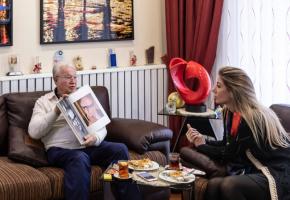




















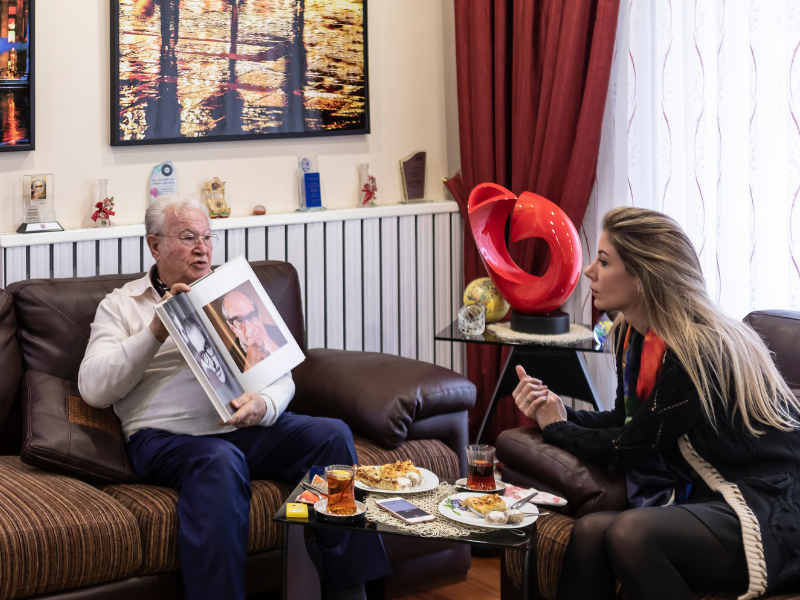
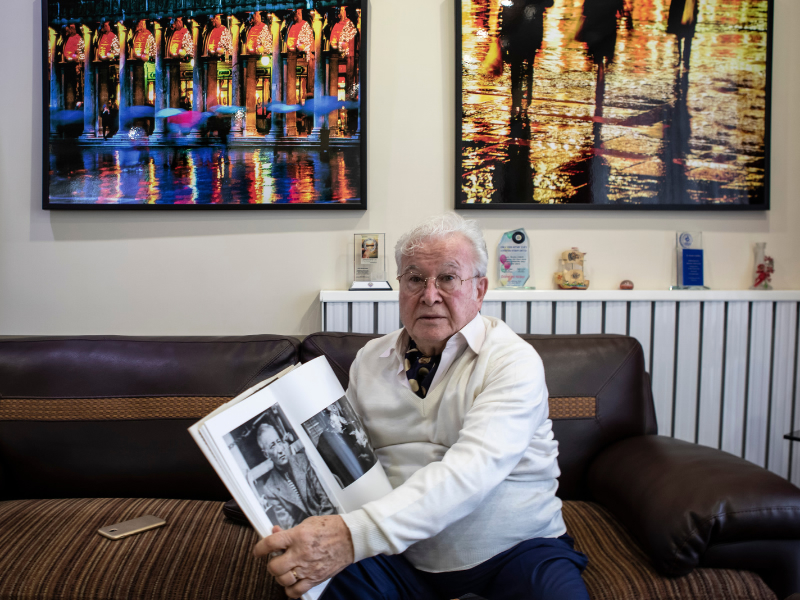
İbrahim Zaman is one of the enduring gentlemen of the photography community… Can one be both a spirited young man at heart and a true gentleman? Of course! Whenever I see him, he is wearing a scarf around his neck and a beautiful pin on his lapel… Elegant, polite, cheerful, measured in his emotions, and a young soul at the age of 83: a true Istanbul gentleman! Almost every photography enthusiast knows him. For those who do not, I wanted to tell you a little about him, because in our interview, we discussed not the man himself, but photography and his perspective on it. Our conversation with our mentor, who welcomed Adem Meleke and me into his lovely home in Ataköy, lasted more than three hours. As we sipped our tea, we watched his photography presentations. İbrahim Hoca enthusiastically narrated the images, provided us with information, offered advice at times, and made us laugh at others. We are delighted to welcome him to our magazine.
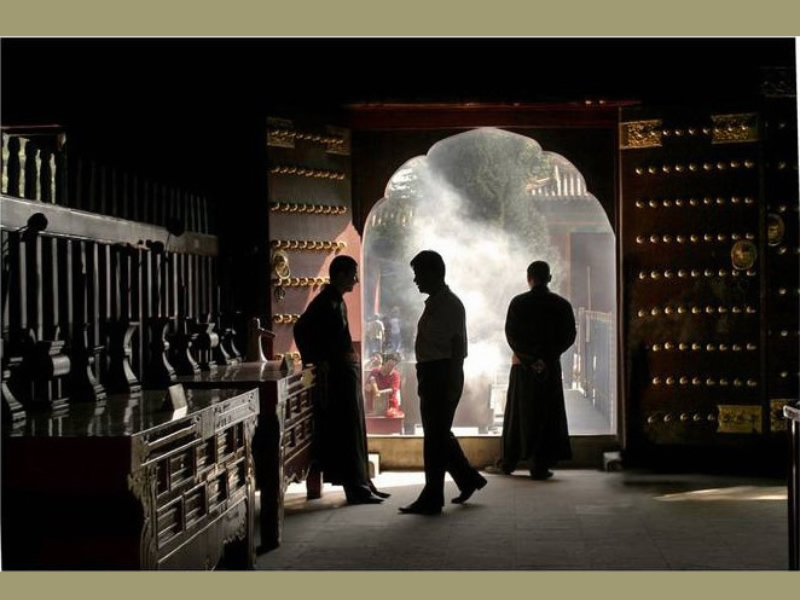
Photography is a very valuable profession and an art form for me. I believe its true value lies in its functionality… Can you think of any field today, from microscopy to outer space, that can exist without photography or documentation? When people first set foot on the Moon, didn't we see what happened thanks to photography? Didn't we look at those images and let our imaginations wander?
Beyond all this, photography is a bridge that carries the past into the future through the messages it conveys. In other words, photographers of each era are the people who write the visual history of the time in which they live. For example, I once saw a photograph taken in 1903 showing the interior of Anadolu Hisarı. The person who took that photograph and made it possible for the image to reach me has passed on the visual memory of that period to me. That is the value of photography.
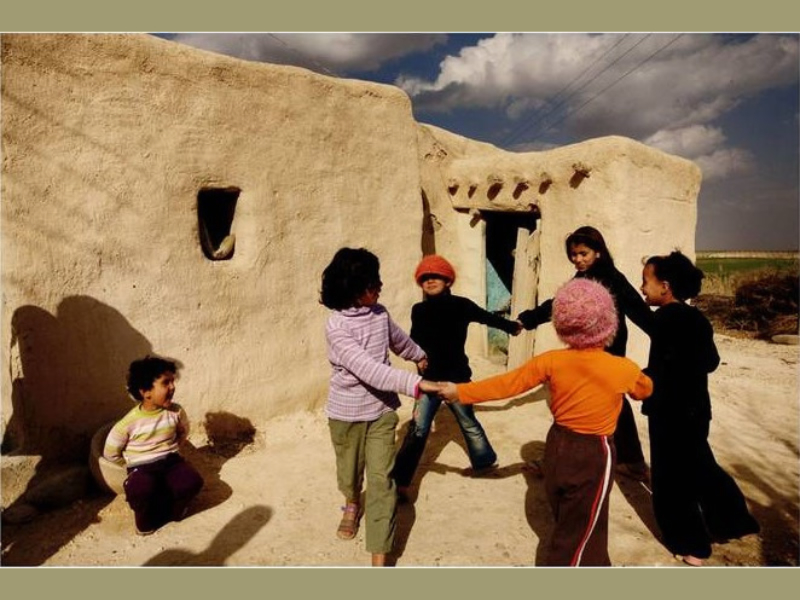
How much should photography be critiqued? And who should do the critiquing?
The person or critic who evaluates a photograph must first understand photography. They must understand art. They need to have the knowledge and authority to comment on the work they are criticizing. And this is a necessity; it should exist. Unfortunately, we don't have that in our country. Sincere criticism broadens a person's horizons and helps them move forward. In other words, genuine criticism makes the photographer say, “I hadn't thought of it that way.” For this reason, I am also a strong supporter of competitions. They are excellent opportunities for sensible people to see where they have made mistakes.
“Measure ten times, cut once.”
There are now more than a billion people taking photographs around the world. Can everyone who owns a phone and presses the shutter be considered a photographer? We are curious about your thoughts on mobile phone photography.
The point is not to be a photocopying machine. A vase designer may make ten attempts before finally giving a vase its perfect shape, saying, “That's it!” and presenting it to the market for us to admire. Then you come along and photograph that vase, click-click. So where do you fit into this process? Where is your signature? Ultimately, what you have taken is not a photograph; it is a photocopy.
So, what can be done? Let's say you want to photograph a Coca-Cola bottle. Ask yourself what aspect of that bottle you want to capture… Its cap, its lettering, or perhaps an overhead view? When you do that, it is no longer just a Coca-Cola bottle; it becomes your photograph, bearing your signature. There is a saying in tailoring: “Measure ten times, cut once.” In the analogue era, we experienced this firsthand, and we had to present the finished photograph as it was.
So, are you completely against the fact that so many people are taking digital photographs (or sometimes simply making photocopies)?
No, absolutely not! Because it is a flood. The flood recedes, leaving sand behind. And if you dig around a little in that sand, you will find jewels. New achievements, new perspectives and new creative talents emerge in photography. But without the flood, there is no sand. And without sand, there is nothing to sift through.
I believe that opposing the positive developments of our age is like opposing a tsunami! For instance, some people ask me, “You are against Photoshop, aren't you?” Well, I am not against Photoshop. If you are shooting digitally, you have to go through that process anyway. How else are you going to remove the haze and mist from a photograph? As long as we are not trying to turn a shanty house into an apartment building, I think it is perfectly natural to use such programs appropriately. Are they a blessing when it comes to certain adjustments, color saturation, framing, and so on? Of course they are! Besides, there is now a field called digital art. In that arena, you can do whatever you like.
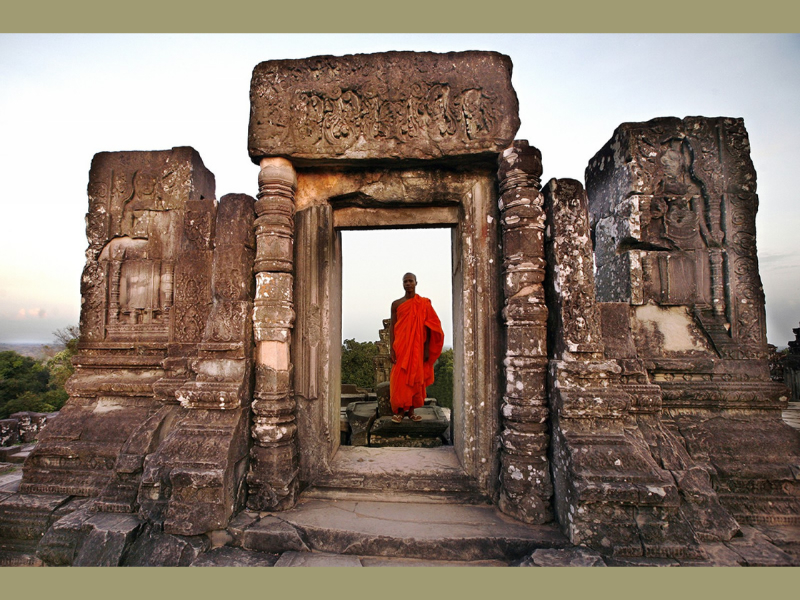
To what extent should a photographer have to explain their photograph? In other words, should a single frame tell the whole story? Or can you create a photograph by placing a story behind it?
Photography is not a one-dimensional phenomenon. For example, comparing photography practiced for journalism with photography practiced as an art form would be unfair. Someone pulls out a knife and starts swinging it. Are you going to think about composition or framing at that moment? By the time you do, the incident will already be over. So, even if your position is not ideal, you have to capture the event. If you are staging a scene, the photograph should not need a caption. If you have to describe or explain it in writing, then the photograph takes second place. The photograph itself should convey the message you want to deliver. If you place a bunch of sheep behind a scientist… and a library behind a shepherd… That would amount to nothing more than a caricature or a joke. The message would be completely wrong. Of course, there is such a thing as contradiction or incongruity, but even that must be very clear and explicit. What I have said applies to documentary, journalistic and straight photography.
As we said earlier, the world is changing. Abstract photography is now a thing. Its definition says, “There is no single truth. It is whatever it means to the viewer.” This approach could have been used endlessly in painting. By the way, photography has contributed to painting in this respect. Portrait painters once became alarmed because photographers could take a portrait in 45 seconds, while they spent weeks working on a painting. Such anxieties gave rise to new movements like Impressionism and Dadaism. They should be grateful! (Laughs.)
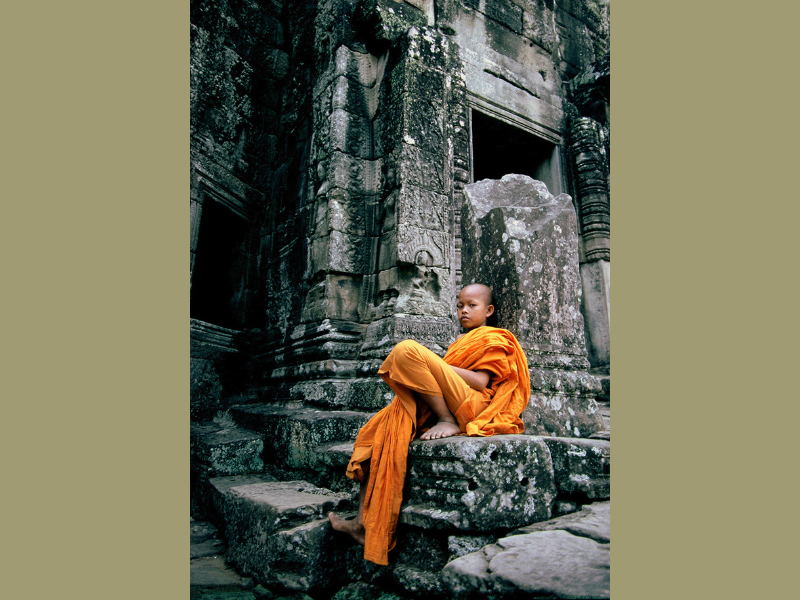
Do you consider Steve McCurry's photograph of the Afghan Girl a photographic achievement or a journalistic achievement?
It is a combination of both.
Would you say the same about Ara Güler's photographs? He also worked in both journalism and photography.
As I said earlier: “A photographer is someone who writes the visual history of the period in which they live.” Ara did this for years. We were doing the same things in the 1950s. But Ara captured Istanbul as it was back then in a truly beautiful way. We didn't have a market for our work. What could we have done with those photographs? He would submit them to various agencies, have them published in Hayat Magazine, and so on. There was a journalistic side to his work, as well as a photographic one. That is why I used the word “combination.”
Today, we desperately seek out the photographs Ara Güler took in the 1950s. Because those photographs show sailing boats and fishing boats. Can you even imagine those scenes in Istanbul today?
Of course, since journalism is so closely connected to the moment, when you are observing an action-packed event, an activity or an attack, composition and all the rest are no longer important. You have to capture the striking moment. But in portrait photography, if you break the rules and, for example, make someone with a prominent nose lower their head while you photograph them, you will end up with an image they would hate. Of course, even accomplished photographers can make such mistakes.
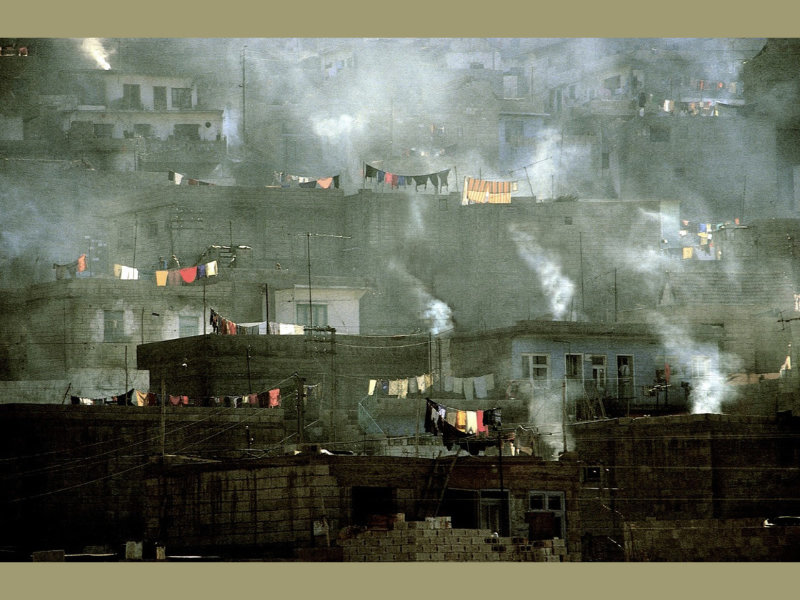
“Of course, framing, of course, composition, of course, color and graphics, but above all, light!”
Does a photographer who wants to pursue photography have to specialize in a particular field? Or can they simply say that the more they shoot, the more they learn?
If you are talking about photography as an art form, it is beneficial to follow the direction you love. All painters have copied the works of painters who came before them. This is necessary to learn how to use the brush, the paint and the techniques. Gradually, they find their own paths. If you focus on what you love, your level of achievement will rise much higher. For example, I am not particularly drawn to subjects outside history, nature and people. But if I find something beautiful, of course I take an interest in it.
What is the first thing you notice in a photograph, or the most important thing you consider when taking one?
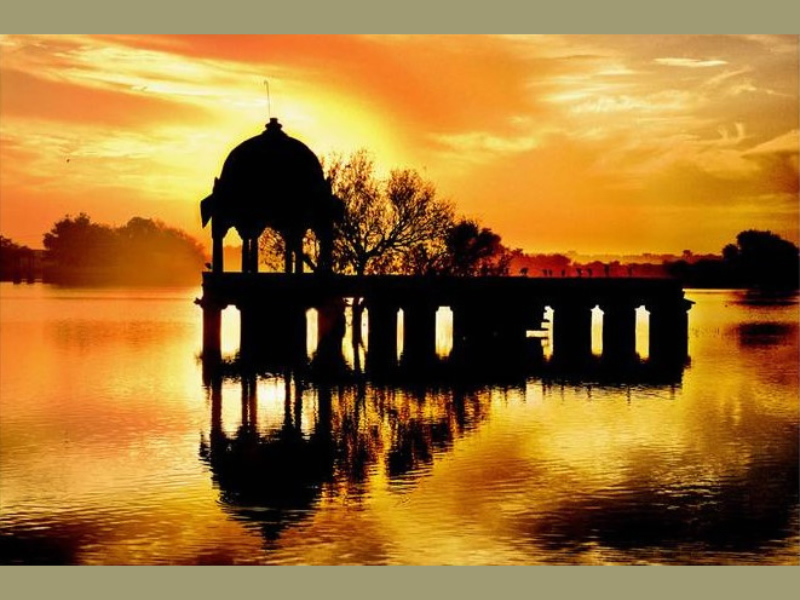
Light. Light is extremely important in painting, photography and cinema. In fact, I will go a little further and say that without light, there is no photograph. Of course, framing, composition, color and graphics all matter, but light is the most important! A photograph is a two-dimensional object. Light and shadow are among the elements that make it appear as though it has a third dimension. All the other elements are secondary to light. First and foremost, light is a tool for emphasis. Emphasis is also very important in photography. If you have buried your focal point in darkness, making it almost impossible to find, then what am I supposed to do with that focal point?
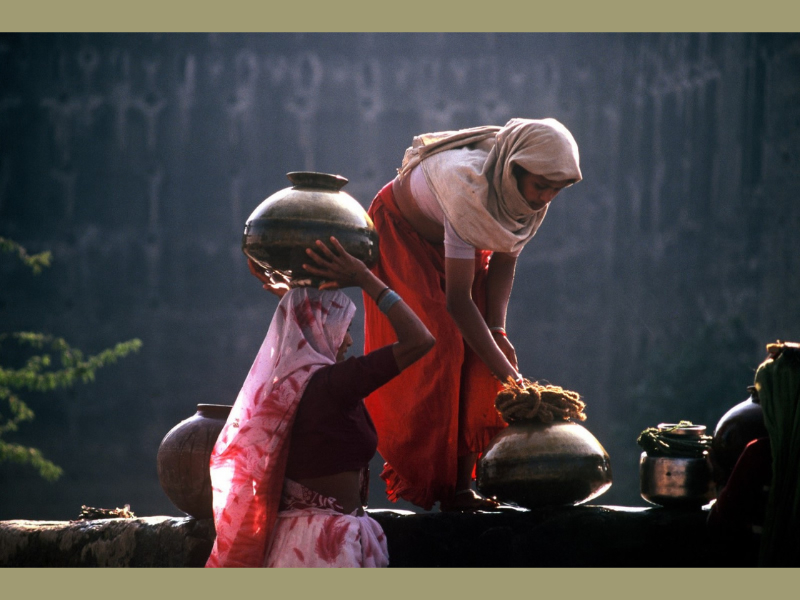
“Flash flattens the subject. It throws it against the wall. Flash is an element that makes a photograph as bad as it can possibly be. In fact, there is no such thing as bad light. There is only light that is unsuitable.”
So, can we say that, except in experimental photography, the rules of lighting must be followed absolutely?
Yes. For example, I hardly ever use flash in my photographs unless absolutely necessary… And even when I have to use it, I use it only as fill light. Because flash flattens the subject and throws it against the wall. It is the element that can make a photograph look its worst. In fact, there is no such thing as bad light. The light you dislike in one photograph might be the ideal light for a hieroglyph on an Egyptian pyramid. Because it leaves the grooves in shadow and makes the writing as legible as possible. But if you photograph a person in that same light, even if they are the most beautiful person in the world, the result will be disappointing.
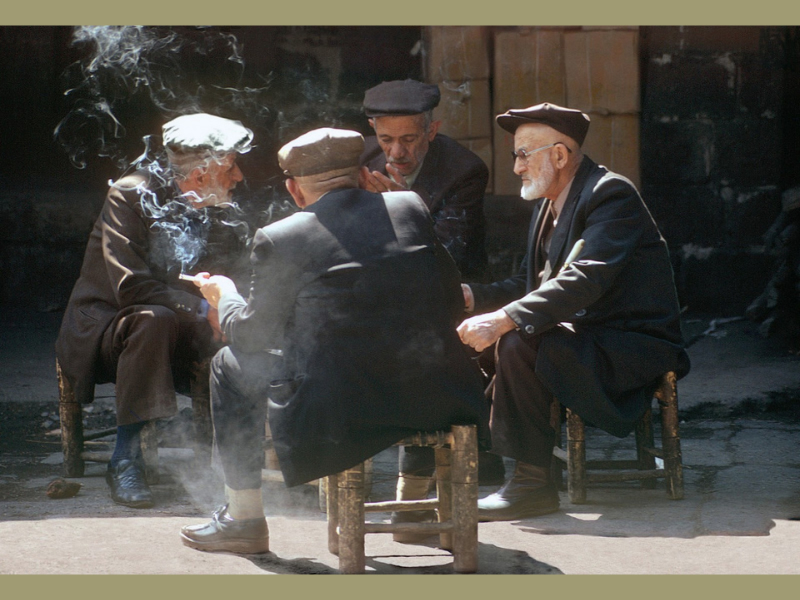
As an 83*-year-old photographer, if you could go back in time, what would you do differently in this industry or art form? What should aspiring photographers do to improve themselves? And how can we develop a more photographic eye as a society?
First and foremost, I would say experience and knowledge. When photography schools became available, I was already 41 years old. We learned photography through trial and error. One of the sources that inspired me was the movie posters in cinemas and the still photographs displayed in shop windows. After seeing them, I would go to my studio and try to recreate what I had seen. One day, I became fascinated by an actress's eyelashes. The shadow of her eyelashes fell across her face in such a beautiful way that I told myself I absolutely had to achieve the same effect.
There was a nurse named Asiye at the Child Protection Institution, and I used her as a model. We tried everything, but nothing worked. The shadows of the eyelashes just wouldn't fall in the same way. I kept thinking, “If a human being can do this, then I can do it too.” Since I was taking portraits, I naturally used soft lighting. As a result, the shadows were barely visible. I even bought false eyelashes for the girl, just imagine! (We laugh.) Then a friend of mine, a theater actor named Nurettin, said, “İbrahim, there are some lights where we work. Shall we try them?” Apparently, there was something called a spotlight. He brought one over, and we switched it on. As soon as it lit up, we started saying, “That's it! That's it!” I understood the power of light very, very well at that moment. I followed its lead, and it has guided me ever since.
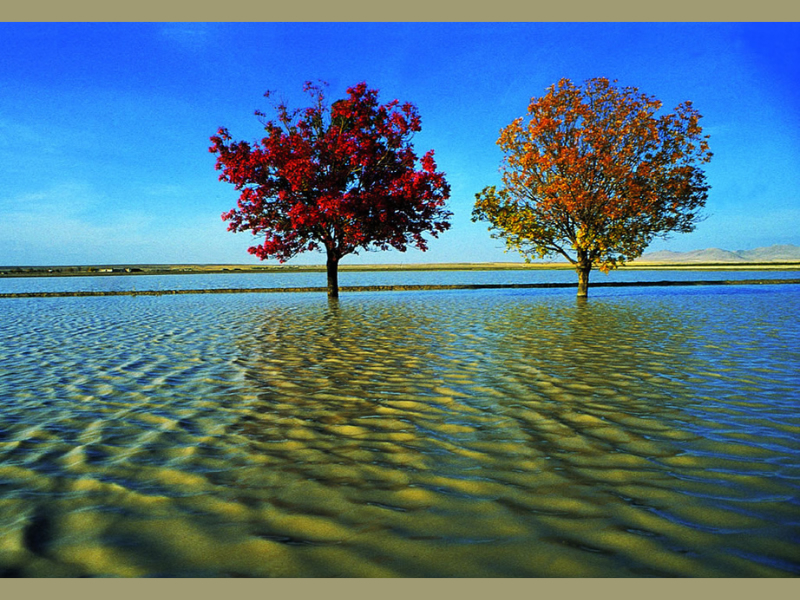
“Photography is like hunting. A hunter must always carry his rifle. A photographer's weapon is his camera, and he must always carry it with him.”
When did you start traveling for photography?
First of all, we must accept that photography cannot be done from behind a desk. Since it cannot be done from behind a desk, the subject will not come to you; you must go to the subject. Before traveling to any country, you need to do at least some basic research about that country. For example, whenever I travel abroad, the first thing I do is visit a postcard seller. I ask about the places that particularly interest me and then go there. Or I visit local markets… You can see people from every walk of life in local markets. By taking photographs there, you can form an impression of that society.
So far, we have seen photographs from 75 countries in your books. Which countries have appealed to you the most, and where have you most enjoyed photographing people's lives?
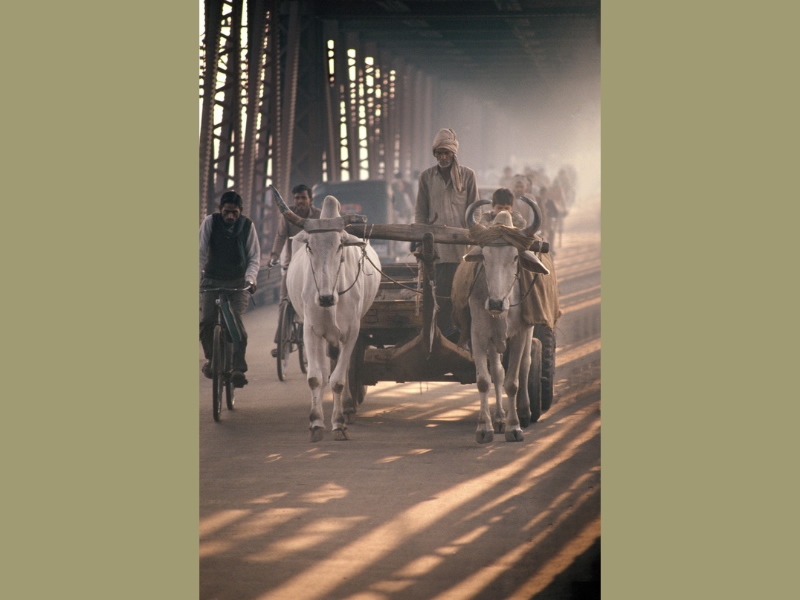
If you want to photograph people, India is a photographer's paradise. Almost everyone dresses in their everyday clothes as though they were wearing festive attire… There are 2,500 dialects and belief systems. However, if you go there expecting to see a Paris, you will return disappointed.
Could you share a project idea that you would recommend to young people and encourage them to pursue?
I recommend making people who produce things the subject of a project. In this way, you can create a meaningful project that embraces every craft, as well as culture and art, while serving a useful purpose. To young people, I would once again say: light. In fact, they should put their cameras aside and try to understand how variable light is and how differently an object appears under different lighting conditions. I insist on this: get to know light.
For example, they should find a fluted minaret and observe it throughout the day. There will come a moment when it looks as though there are no flutes at all. But as the light gradually shifts towards the side, the flutes will emerge in all their magnificence, clearly defined like individual columns. When the light falls directly from the front, it fills the grooves and flattens the subject.
If they want to carry out social projects, they should, as I said, explore local markets. I also recommend looking at postcards. And if they want to choose a subject and develop it into a project, they can photograph that subject from different perspectives. For example, if they are photographing women working in a field, they can take wide-angle shots as well as close-ups of hands gripping a hoe or details of traditional baggy trousers. Instead of presenting repetitive frames, they will create a sequence of beautiful images that complement and follow one another.
You have served on the juries of many photography competitions and continue to do so. What do you think makes a photograph worthy of competing? What criteria do you use when evaluating photographs?
A competition jury naturally considers works that speak the language of photography fluently, within the framework of photographic principles.
I have certain personal criteria. For example, there are photographs I would never consider, even if the subject were the most beautiful person in the world. Someone is chopping wood with an axe. That's the composition. But the person is looking straight at the camera. Come on, get on with your work! You are in the middle of an action! Would someone who is working look directly at the camera?
That is my first criterion. Secondly, if there is a line on the horizon or in the background, it must not intersect with the subject. A line running through the middle of a model's face or an electric pole that appears to be sticking out of their head really bothers me. That line should be either higher or lower.
There is one more criterion, and it concerns the shadows of models, which help create the illusion of three dimensions. The models and their shadows should not overlap. Because when they do, the sense of depth is weakened. As we know, a two-dimensional photograph uses light and shadow to make an image appear three-dimensional. Perspective also plays a role in creating this sense of depth, but the effect produced by light and shadow is much stronger. These are the most important rules for me, although someone else might consider them overly detailed.
What if a photograph has been digitally manipulated a little?
As I mentioned earlier, after the arrival of the digital world, certain conveniences became a blessing. That is true. But excessively manipulating everything, as though one has just discovered a new toy, takes the photograph away from what photography is supposed to be. In other words, photographs that might have won first place if left in their natural state unfortunately end up being overlooked. I am talking about photographs in which roof tiles have been turned into flag red. Not HDR, but photographs that have been “ruined” instead! In other words, it should not be a matter of saying, “Let this program fix my incompetence.” If you have a weakness, the program should support you. Those who do not understand photography well can easily fall into these mistakes.
“Associations may separate… But what is the point of turning your backs on one another and becoming enemies? Why are you under the same roof in the first place? It isn't a political organization!”
What responsibilities do you think photography associations and organizations have? We believe someone needs to take the lead in this regard. Bringing people together is important, isn't it? Is it possible to create a community where people support one another rather than one group pushing another away?
There are two different aspects to this. The first consists of mandatory professional organizations, such as the Chamber of Photographers, which legally carry out their activities. I am not talking about those obligatory institutions now, but rather the associations established on a voluntary basis.
These are institutions that exist for the purpose of sharing. You are an engineer, I am a dentist, someone else is a worker, and another is a judge, doctor or prosecutor… Why do they come together there? Nobody forces them to! They come because they want to share. So why create divisions? Let one person say, “Look what I have done,” and let you show them what you have done. Draw inspiration from one another. Don't be afraid to say, “I hadn't thought of that; what a wonderful idea!” Why be so stingy with appreciation? Give credit to those who deserve it. Let them appreciate you in return.
Associations may separate, but what is the point of turning your backs on one another and becoming enemies? Why are you under the same roof in the first place? It isn't a political organization! Two associations are established, yet they become enemies of one another! Come on, brothers and sisters, one club can visit the other and give a presentation, and the other can visit in return. Everyone can have different perspectives, too. I find this very difficult to understand, and I suppose I will leave this world without ever understanding it! There is no legal obligation, nor is there any personal benefit involved. It is simply about sharing! But if even these feelings of hostility enter into the act of sharing, then just pour water over it and let it all flow away!
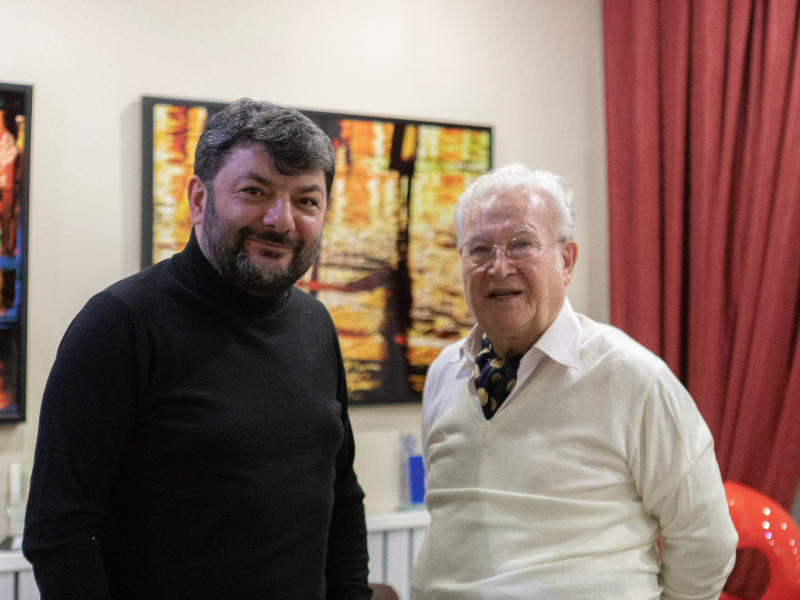
Your thoughts about GezginFoto are also very valuable to us, Professor…
Whatever is related to photography has a special place in my heart. Your publication is also worthy of admiration. Being able to continue this publication under such difficult conditions today is something I particularly appreciate. Because, as you know, the market for printed publications has declined considerably. And this is an expensive undertaking. Nevertheless, GezginFoto is published with a spirit of volunteerism, combined with a genuine passion for photography. How could I not congratulate you!
I wish your publication a long life, and I hope it receives the recognition and rewards it deserves. I send my warmest regards to you and your readers.
*This interview was conducted in 2021.