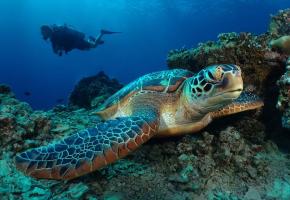




















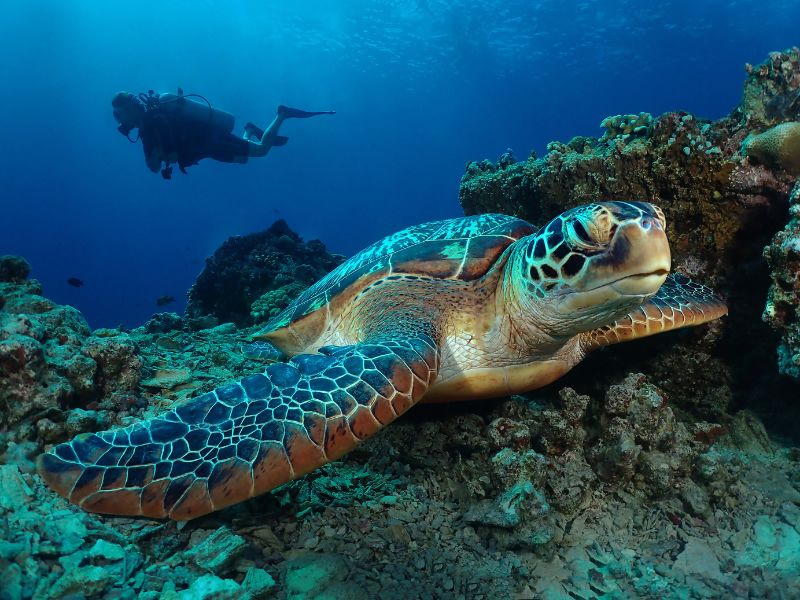
Underwater photography is one of the most challenging disciplines among photographic genres. We take photographs in an environment outside our natural habitat, where we have to breathe air from a tank, where light is refracted and visibility is low. We must maintain our balance while taking our camera underwater in a special protective housing. The intense refraction of light underwater also makes the use of external lighting essential.
Text and Photographs: Bülent ŞELLİ
Diving Training Is Essential!
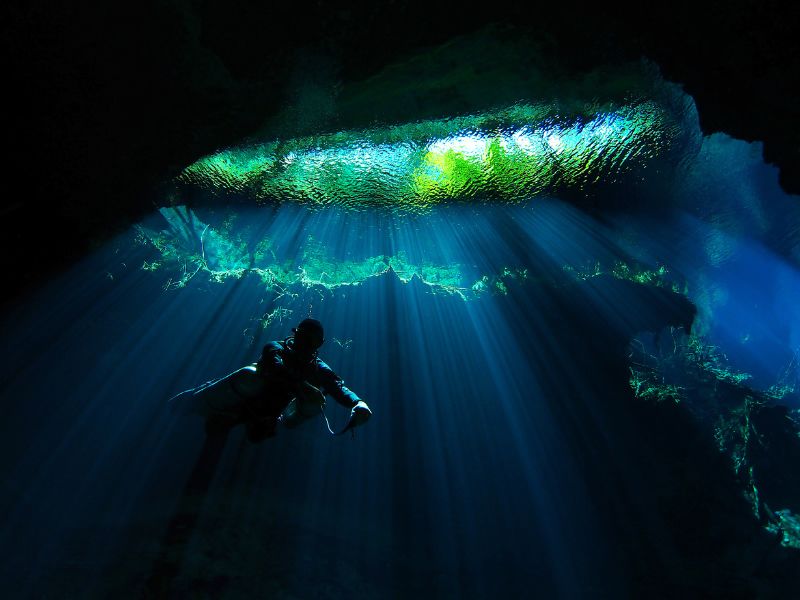
Photographs underwater can be taken either by freediving (snorkelling) or scuba diving (using breathing apparatus). Since freediving is performed by holding one's breath, the time spent underwater is limited. Of course, by receiving training and practising, you can increase the amount of time you can stay underwater. There are freedivers who can remain underwater for 4–5 minutes or even longer. However, as you can see, time spent underwater while freediving is limited to just a few minutes. With scuba diving, on the other hand, this period is considerably longer. You can spend one hour or even longer underwater, depending on your air consumption.
To be able to scuba dive, it is compulsory to receive training from an authorised diving centre. This requirement exists almost everywhere in the world. The licence you receive upon completing the training is internationally recognised.
The reason scuba diving is preferred in underwater photography is that the longer time spent underwater allows photographers to wait as long as necessary to capture the best possible shot in a highly dynamic environment. Diving training is only the beginning of this process. Becoming a good underwater photographer also requires a high level of diving skills. A good diver is one who has mastered perfect buoyancy. After completing the training, you should continue diving regularly and work towards developing excellent buoyancy control.
What Equipment Is Used Underwater?
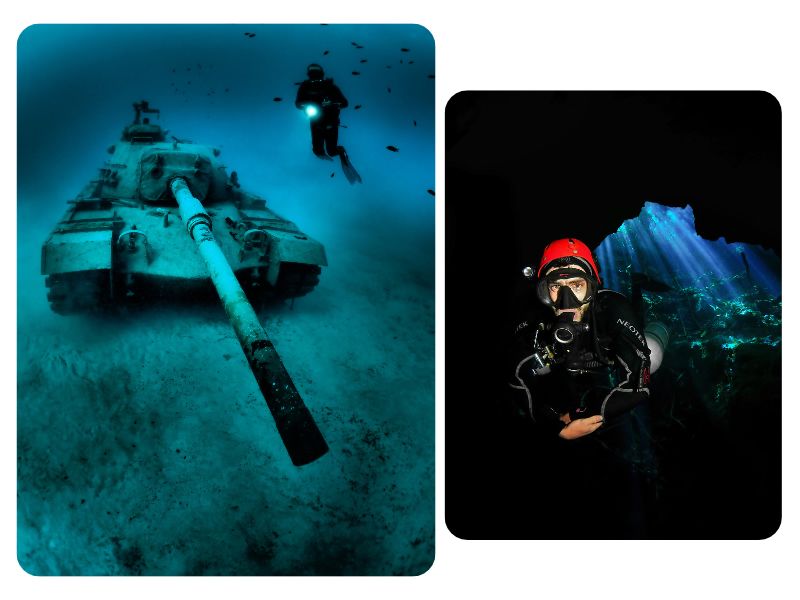
The cameras and basic photographic concepts used in underwater photography are similar to those used on land. DSLR, mirrorless and compact cameras, which are familiar to anyone who takes photographs, can also be used underwater with suitable housings. Basic concepts such as depth of field and motion effects remain the same. What differs is the underwater environment.
When taking photographs in an environment approximately 800 times denser than air, the lens must be selected according to the subject and purpose. This density refracts light and reduces visibility. In addition, plankton, microorganisms and particles can also negatively affect visibility. Therefore, the fundamental principle when taking photographs underwater is to get as close to the subject as possible, thereby reducing the amount of water between the photographer and the subject. For this reason, ultra-wide-angle, fisheye and macro lenses are predominantly used in underwater photography.
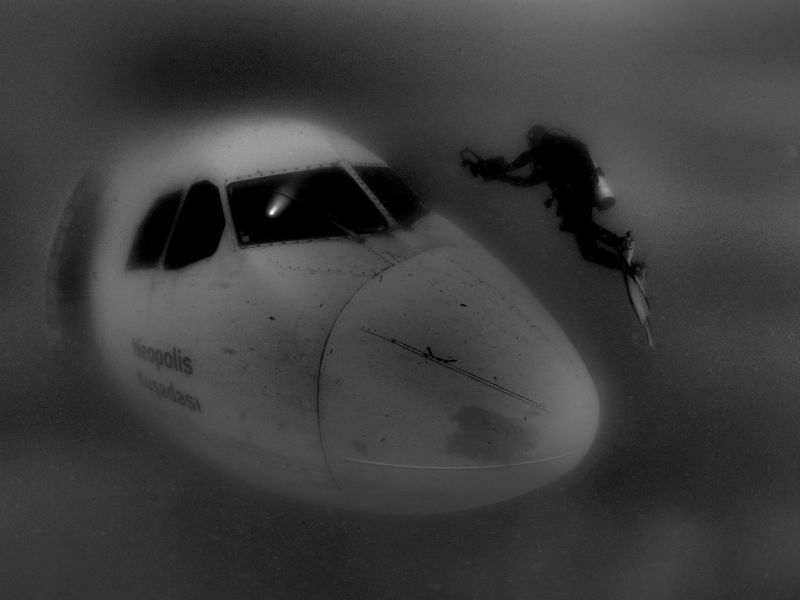
The density of water causes light to be absorbed, meaning that a certain amount of light energy is absorbed by the water. This results in the loss of object colours. As depth increases, colours disappear in the following order: red, yellow, green and blue, gradually being replaced by grey and its various shades. For example, at depths of 25–30 metres, you will see a red starfish as purple. Therefore, external light sources are needed to reveal the true colours of underwater subjects.
External Light Sources – Underwater Strobes
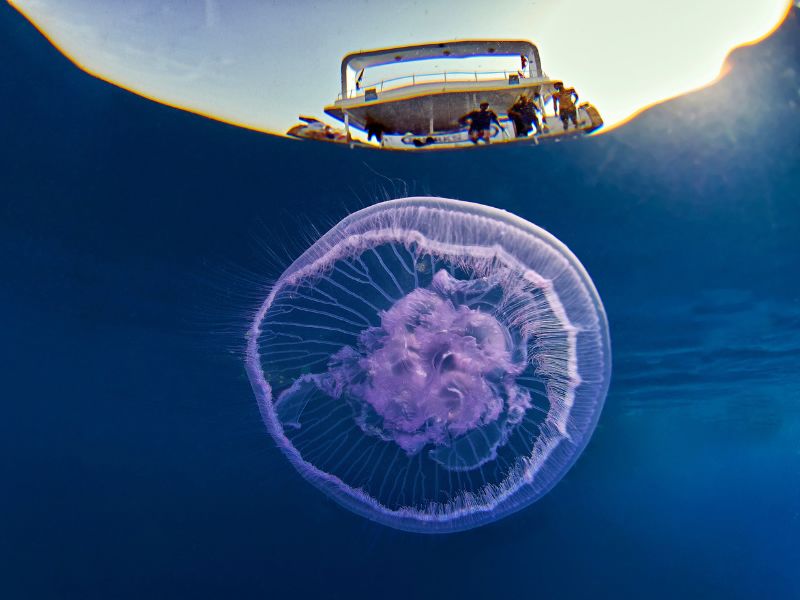
External light sources consist of torches and strobes. Underwater torches are not only used for photography but are also carried by divers to illuminate objects underwater. Powerful torches with adjustable colour temperatures (Kelvin) are mostly preferred by underwater videographers. Due to their practicality, underwater photographers also use torches for macro photography. One of the most common uses of underwater torches in photography is as focusing lights, particularly in macro photography, to help the camera achieve focus more quickly.
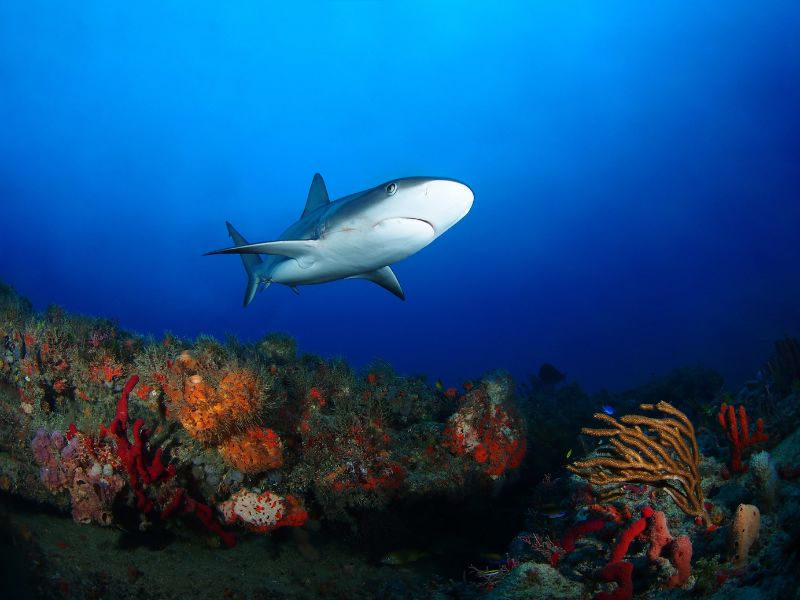
The primary external light source in underwater photography is the underwater strobe. Underwater strobes are amphibious products specifically designed for this purpose and are available in various sizes and with different features. Although some photographers use land-based flashes underwater with the help of special housings, the general preference is for strobes specifically manufactured for underwater use. The reason is that they are smaller and lighter.
Underwater strobes with guide numbers ranging from 20 to 24 are the most commonly preferred in terms of power. More powerful strobes can be used for special purposes. However, since light is refracted considerably underwater, the preferred approach is to get closer to the subject rather than trying to transmit light over longer distances.
Underwater strobes can be triggered via a synchronisation cable connected through the hot shoe, or as a slave using the camera's pop-up flash and a fibre-optic cable. Fibre-optic cables are both more economical and more advantageous in terms of TTL. With a synchronisation cable, an additional converter is often required for TTL functionality.
Problems You May Encounter When Using External Lighting
Of course, the use of artificial light also brings certain problems. Backscatter caused by plankton or particles suspended in the water reflecting the light from a strobe can negatively affect image quality. To prevent this, strobe angles must be adjusted very carefully. Conditions can sometimes be extremely challenging, and backscatter may occur regardless of how experienced the photographer is. At this point, image-processing software such as Photoshop comes into play. Removing backscatter is considered an ethical practice.
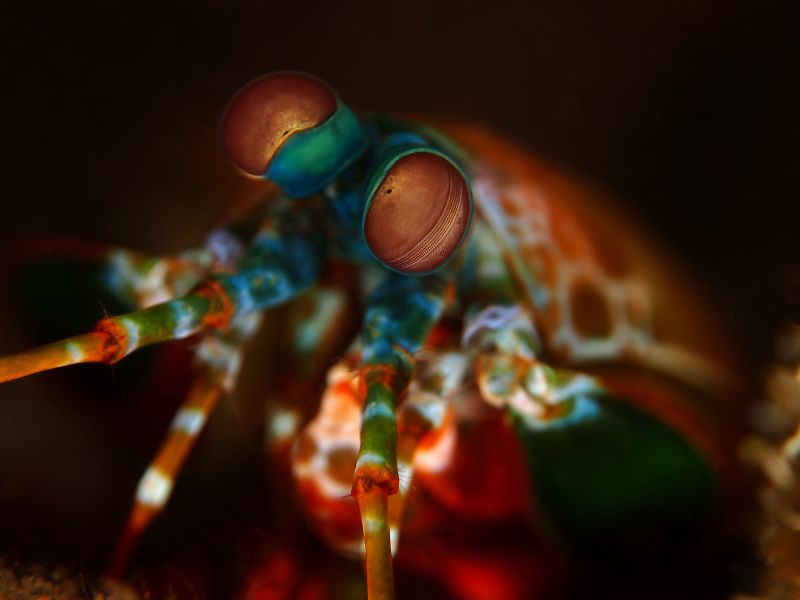
Since we generally use strobes in underwater photography, ISO is usually set to 100. For photographs taken using natural light without a strobe, ISO is adjusted according to the lighting conditions.
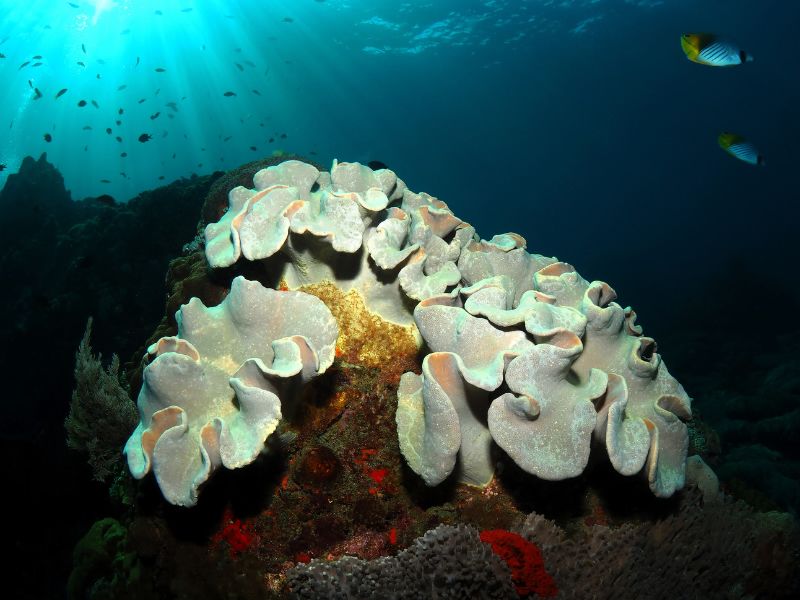
Due to the intense light refraction mentioned above, it is not possible to illuminate large areas using external light sources. In such cases, natural light is used instead. It is possible to achieve accurate and true-to-life colours by manually adjusting the white balance. Particularly at depths of 0–20 metres, good results can be obtained by using manual white balance.