



















Can Istanbul be understood not only through its shores, but also through the ways water has shaped its daily life, architecture and visual memory? Istanbul Modern’s new exhibition, “Flowing City” (“Akıp Giden Şehir”), explores this question through painting, photography, video, installations and live performance. The exhibition opened on 19 November 2026 and runs until 27 June 2027.
Curated by Nilay Dursun and Ümit Mesci, the exhibition brings together 56 works by 33 artists, spanning the 18th century to the present. Sponsored by HSBC, it places historical works from Istanbul Modern’s collection alongside contemporary practices, treating the Bosphorus, the Golden Horn and freshwater ecosystems as integral parts of the city’s cultural identity.
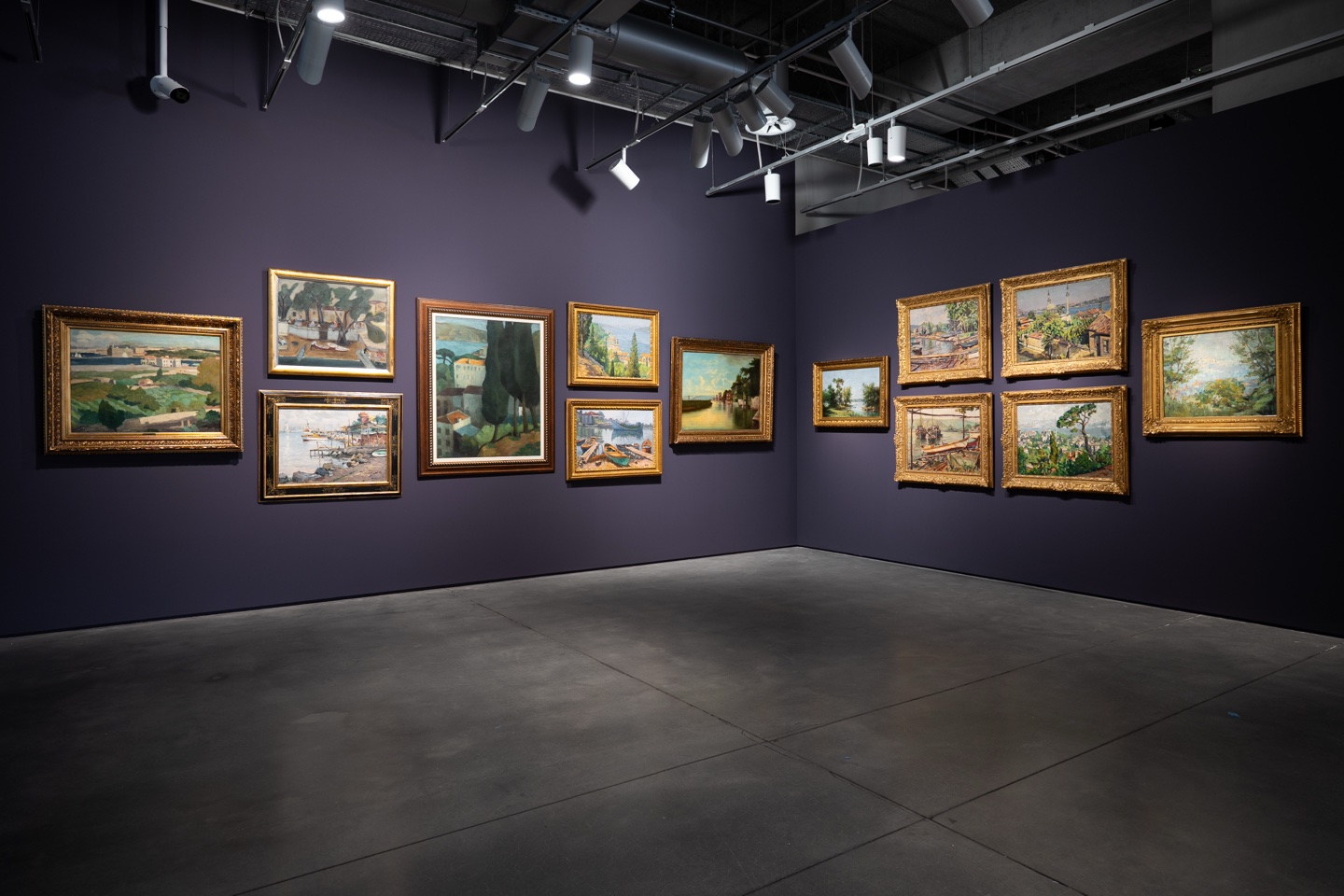
Flowing City exhibition view. Photograph: Canberk Ulusan / Istanbul Modern.
Photography as witness
Photography makes both changing urban landscapes and traces of everyday life visible. Othmar Pferschy’s “Rumeli Hisarı’na Bakış”, dated 1950, offers one way of tracing Istanbul’s visual memory through the photographic image.
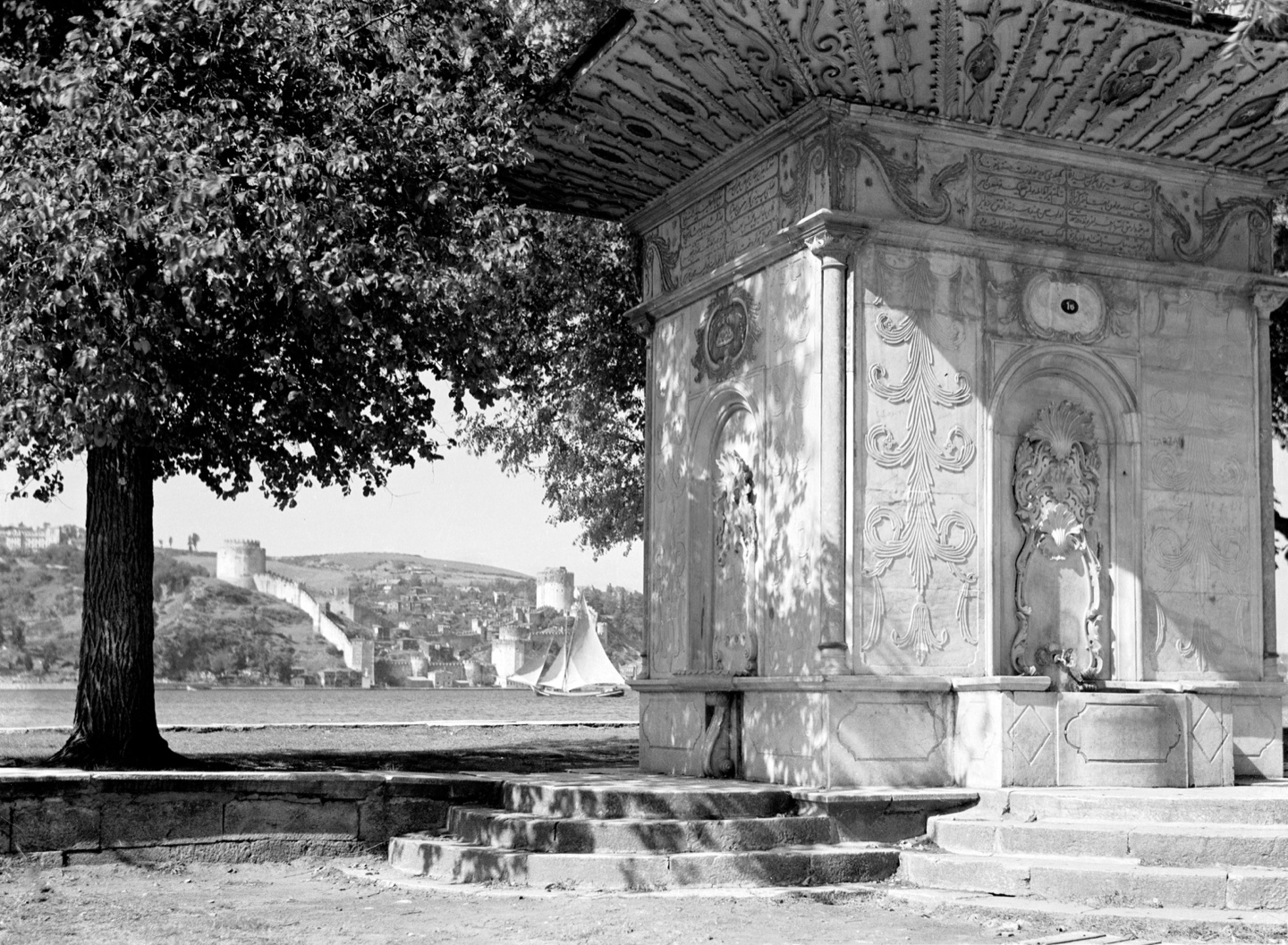
Othmar Pferschy, Rumeli Hisarı’na Bakış, 1950. Istanbul Modern press image.
Previously unseen photographs of Istanbul and the Princes’ Islands by Albert Barry appear in “Gölgelerden Işığa”, a book produced in an edition of just 35 copies by Geneva-based Éditions Take5. Rather than concentrating on studio photography, Barry often turned his camera towards his immediate surroundings, opening a personal window onto daily life.
Aslı Çavuşoğlu’s installation, reconfigured for the exhibition, also makes photography part of a process of research and performance. Photographs of performances in the Princes’ Islands, Fenerbahçe and Lake Ohrid are presented alongside drawings, models and archival documents.
From painting to contemporary installation
The exhibition’s artistic scope extends well beyond photography. Works by Hoca Ali Rıza, Abdülmecid Efendi, Nazmi Ziya Güran, Hikmet Onat, Cevat Erkul, Aliye Berger, Edip Hakkı Köseoğlu and Naile Akıncı bring different visions of Istanbul into conversation. Some works by Yolande Ardissone, Carlo Bossoli, Fabius Brest, Cevat Erkul and Jean-Baptiste Vanmour are being shown at Istanbul Modern for the first time.
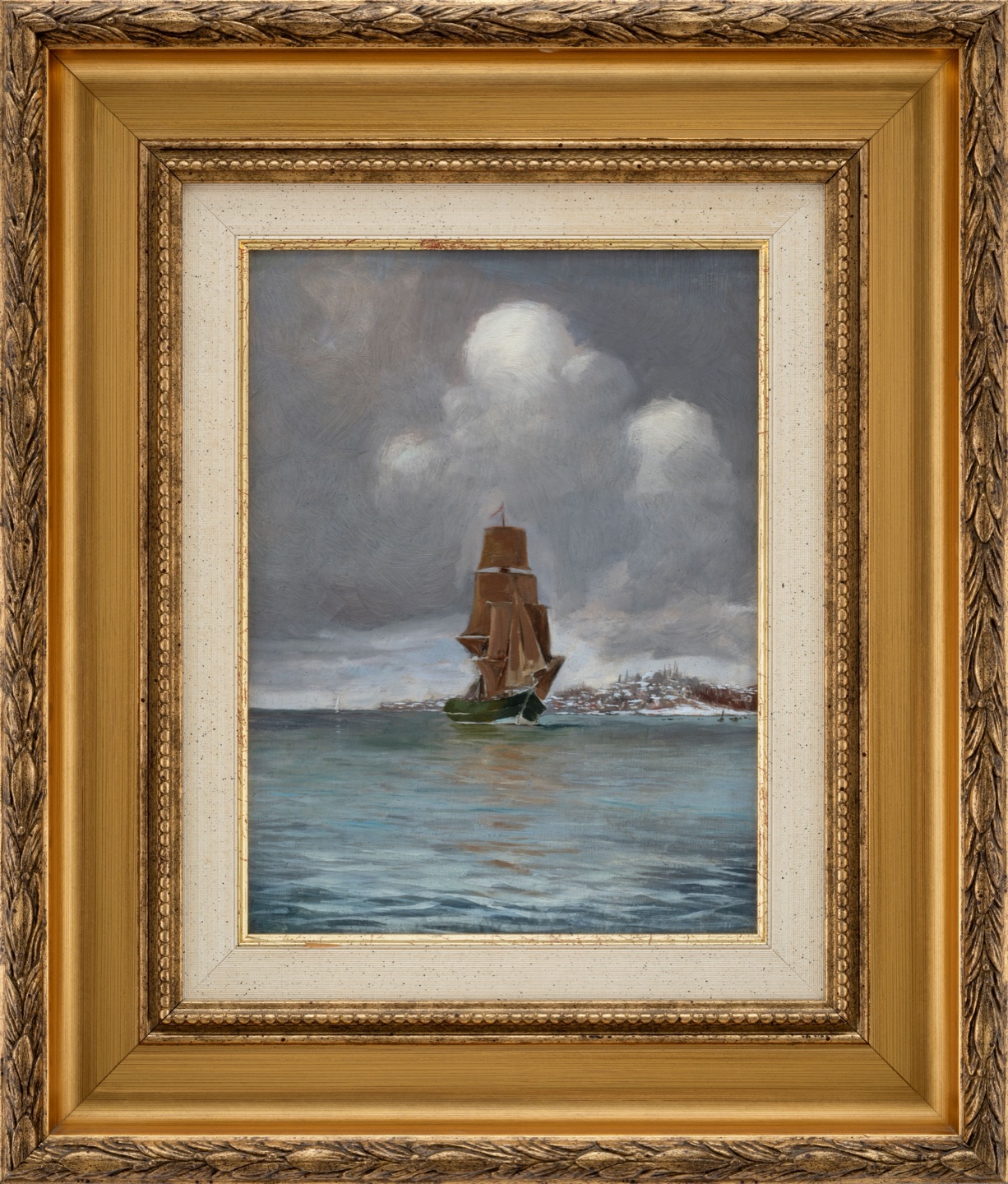
Abdülmecid Efendi (1868–1944), Yelkenli. Istanbul Modern press image.
Cansu Çakar’s “Altın Post”, dated 2025, is among the contemporary works in the selection. Seen together, historical landscapes and present-day practices invite visitors to approach the city through multiple ways of seeing rather than a single medium.
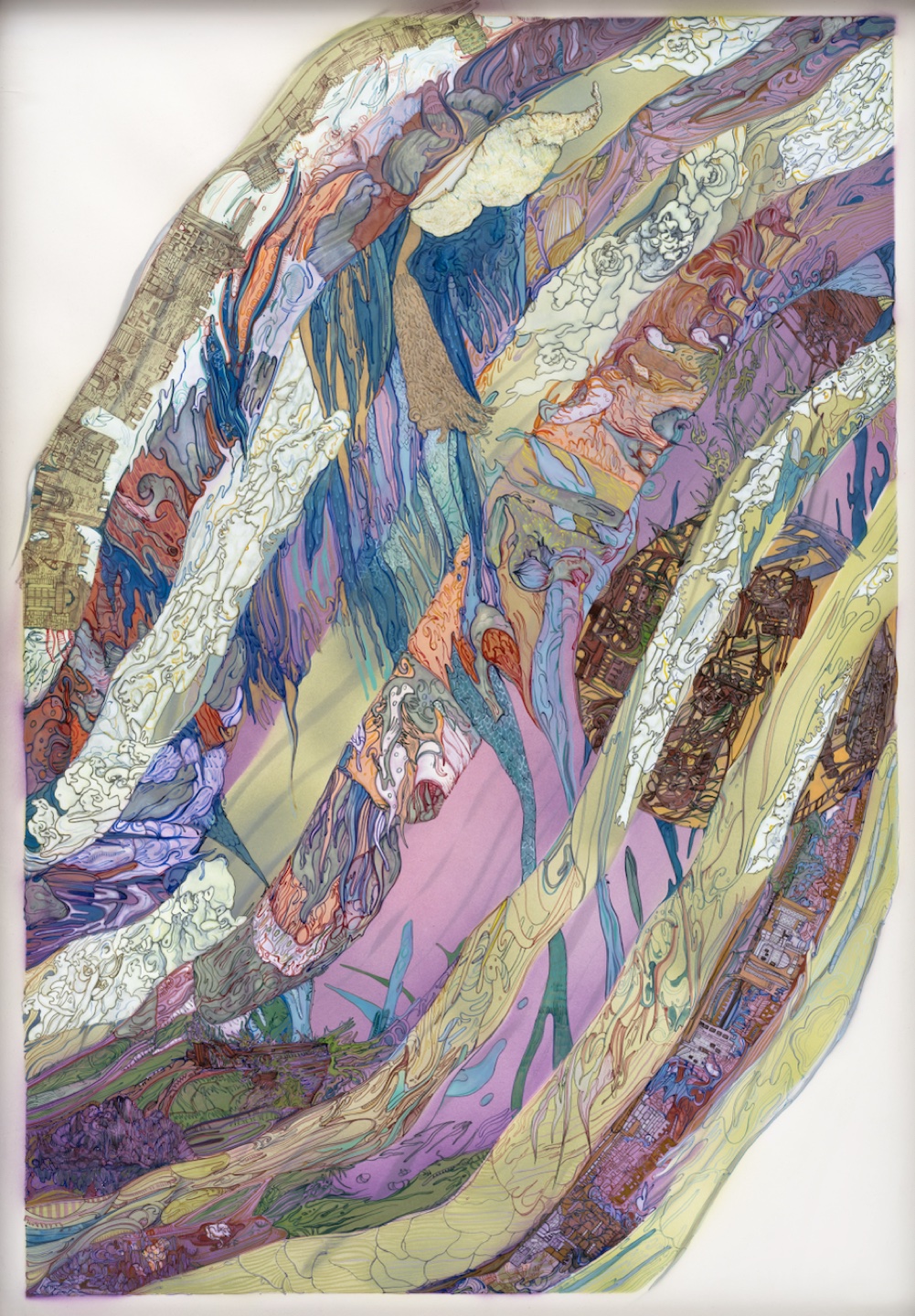
Cansu Çakar, Altın Post, 2025. Istanbul Museum of Modern Art Collection. Istanbul Modern press image.
TUNCA and Guido Casaretto’s “Yüzen Gecekondu” documents a performance staged in 2005 alongside the 9th International Istanbul Biennial. It is presented here as an installation for the first time.
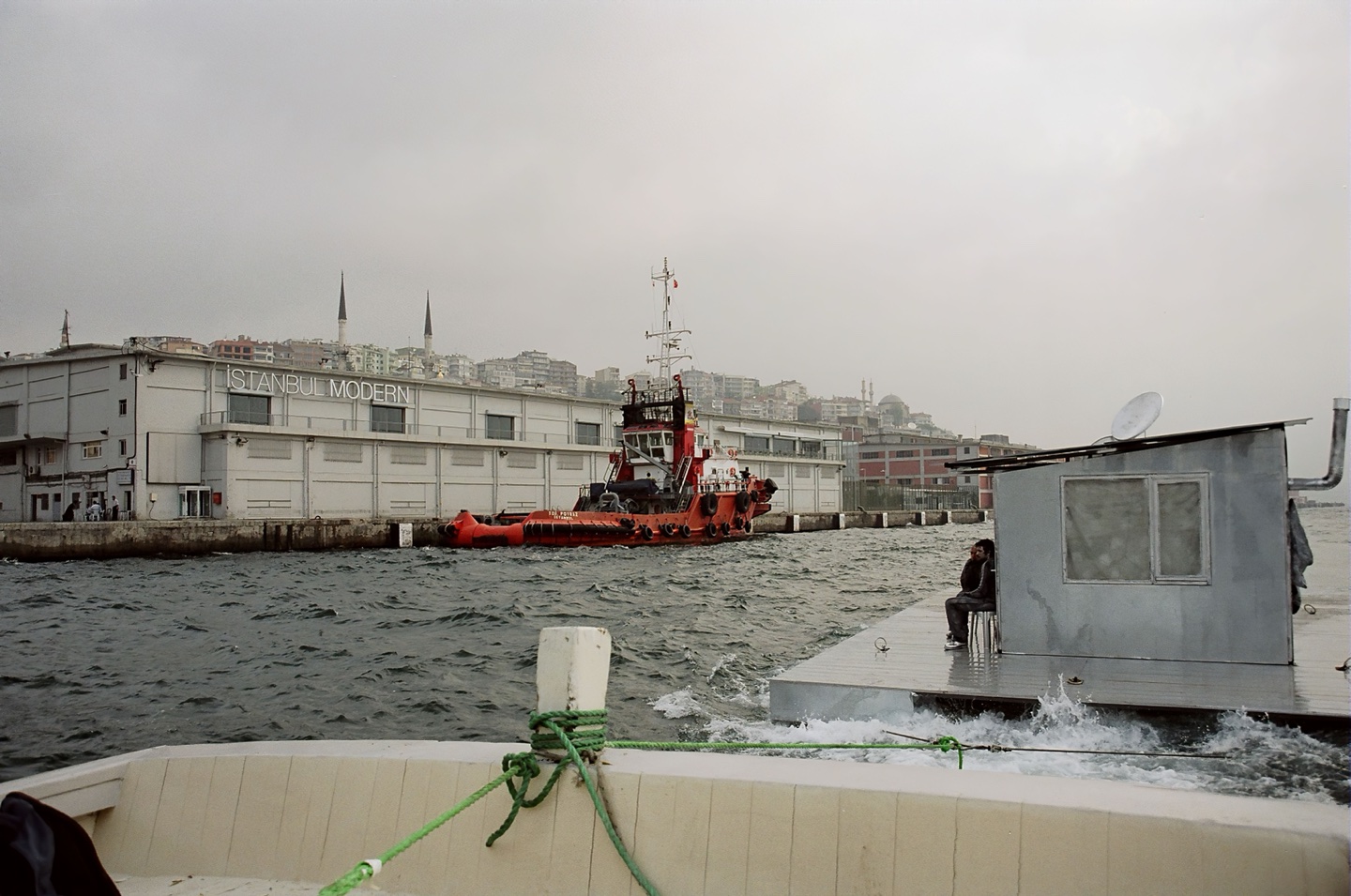
TUNCA and Guido Casaretto, Yüzen Gecekondu, 2005. Istanbul Modern press image.
Piknik Works’ “Performatif Çizim #4: Akıntılar” reinterprets Istanbul’s waterways and topography through drawing. Produced with support from FÖRNİ and located in the foyer overlooking Tophane Park, the work continues to develop after the exhibition’s opening.
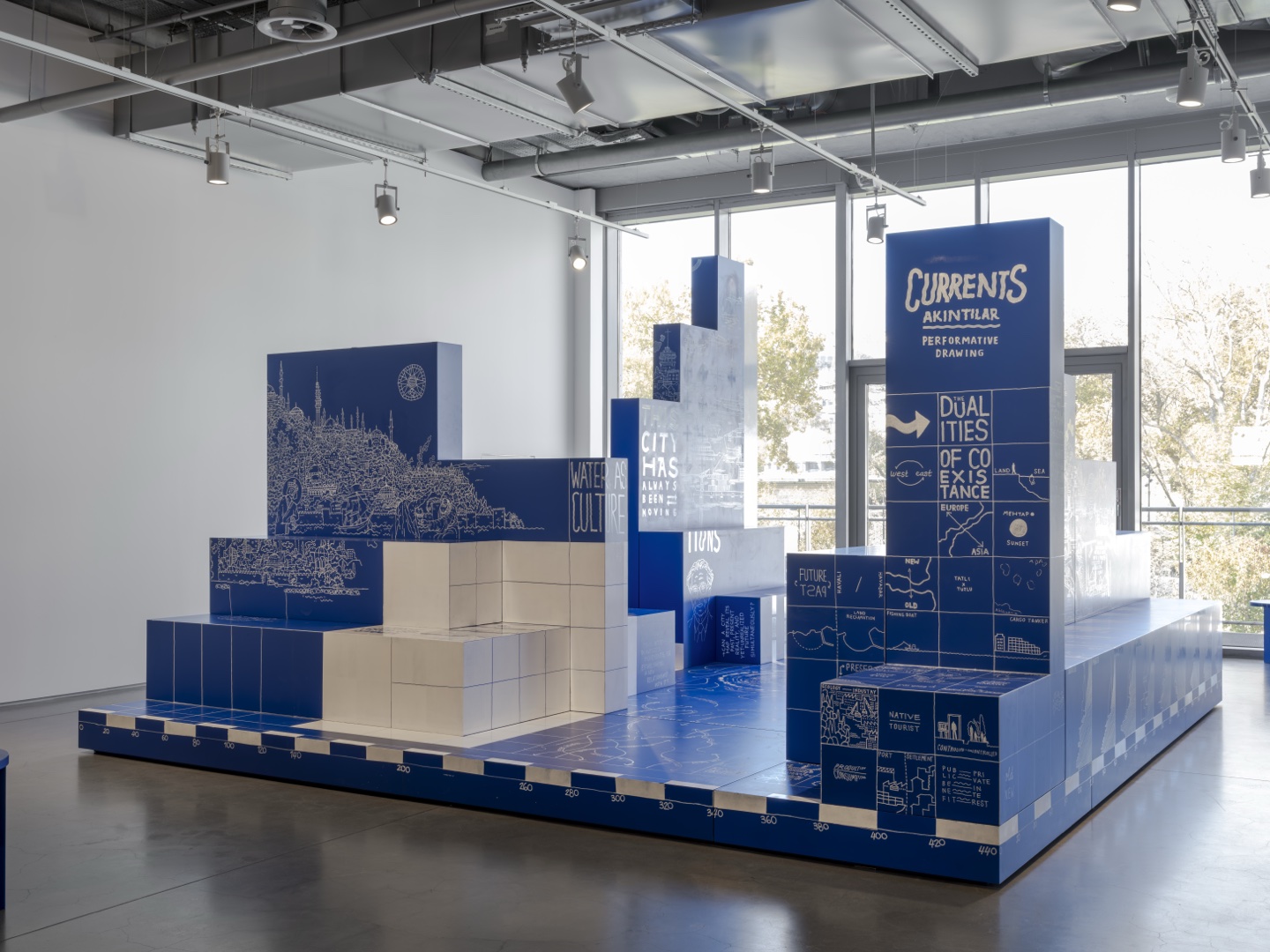
Exhibition view of Piknik Works’ Performatif Çizim #4: Akıntılar. Istanbul Modern press image.
Moving images, sound and architecture
Sena Başöz’s two-channel video “Deniz Kuşu”, which focuses on global maritime transport, is presented with contributions from Samsung, the exhibition’s ART TV Partner. The same partnership supports Volkan Aslan’s multichannel installation “Ölüye ağlayamayan insanların huzursuzluğu içindeyim”, developed through footage he has recorded at fountains across Istanbul since 2018.
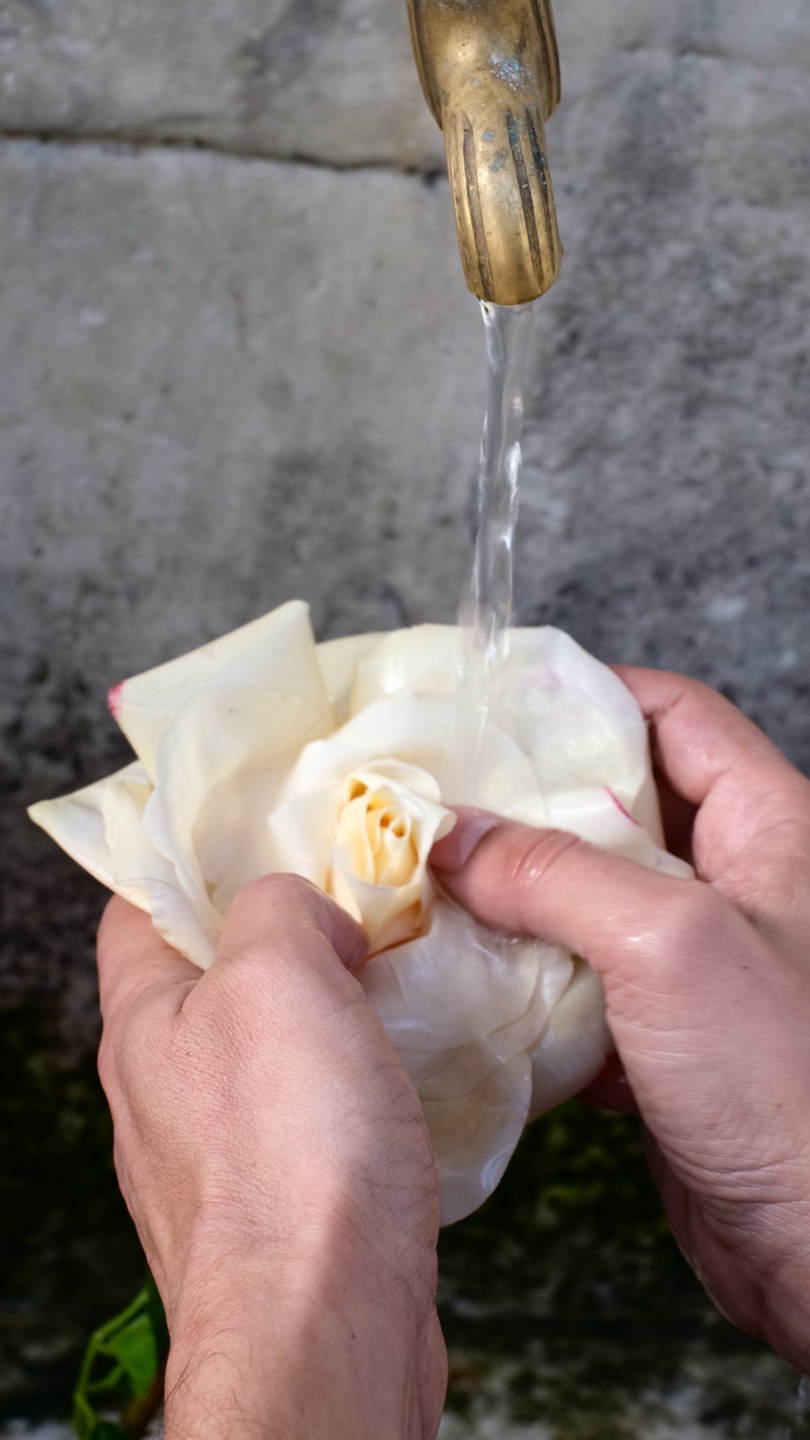
Volkan Aslan, Ölüye ağlayamayan insanların huzursuzluğu içindeyim, 2018–2026. Istanbul Modern press image.
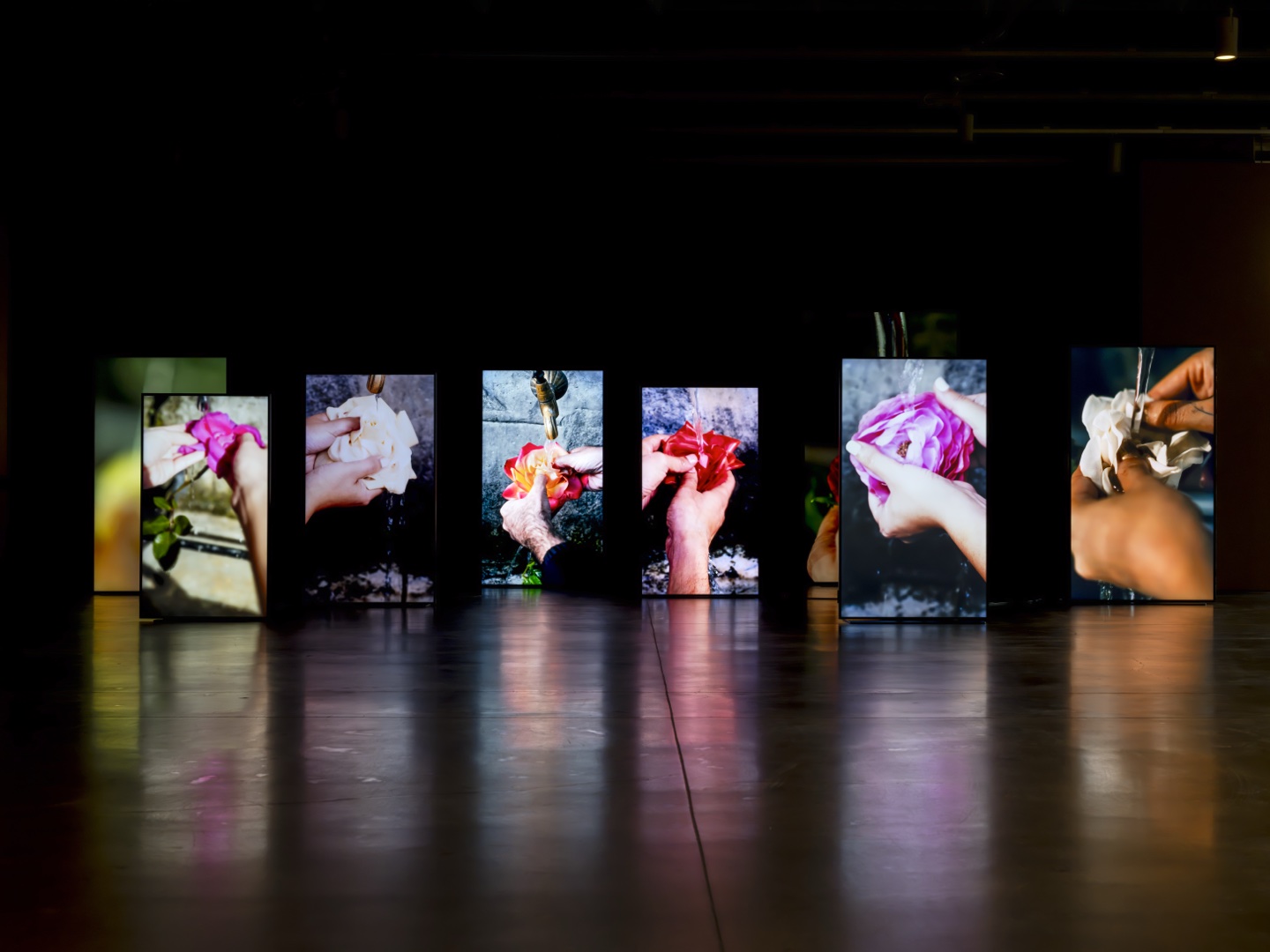
View of Volkan Aslan’s multichannel installation. Istanbul Modern press image.
Works by Mónica Baptista, Lundahl & Seitl and Dimitris Skyllas, who visited Istanbul through the International Artist Residency Program, also meet exhibition audiences for the first time. Skyllas composed his work in 2025, drawing inspiration from the museum’s location, building and collection; it had previously been heard in a performance at the museum.
The relationship between water, light and reflections in Renzo Piano’s building forms another part of the exhibition’s context. The reflecting pool on the terrace and the facade’s changing appearance in daylight extend the museum’s connection with Istanbul beyond the exhibition galleries.
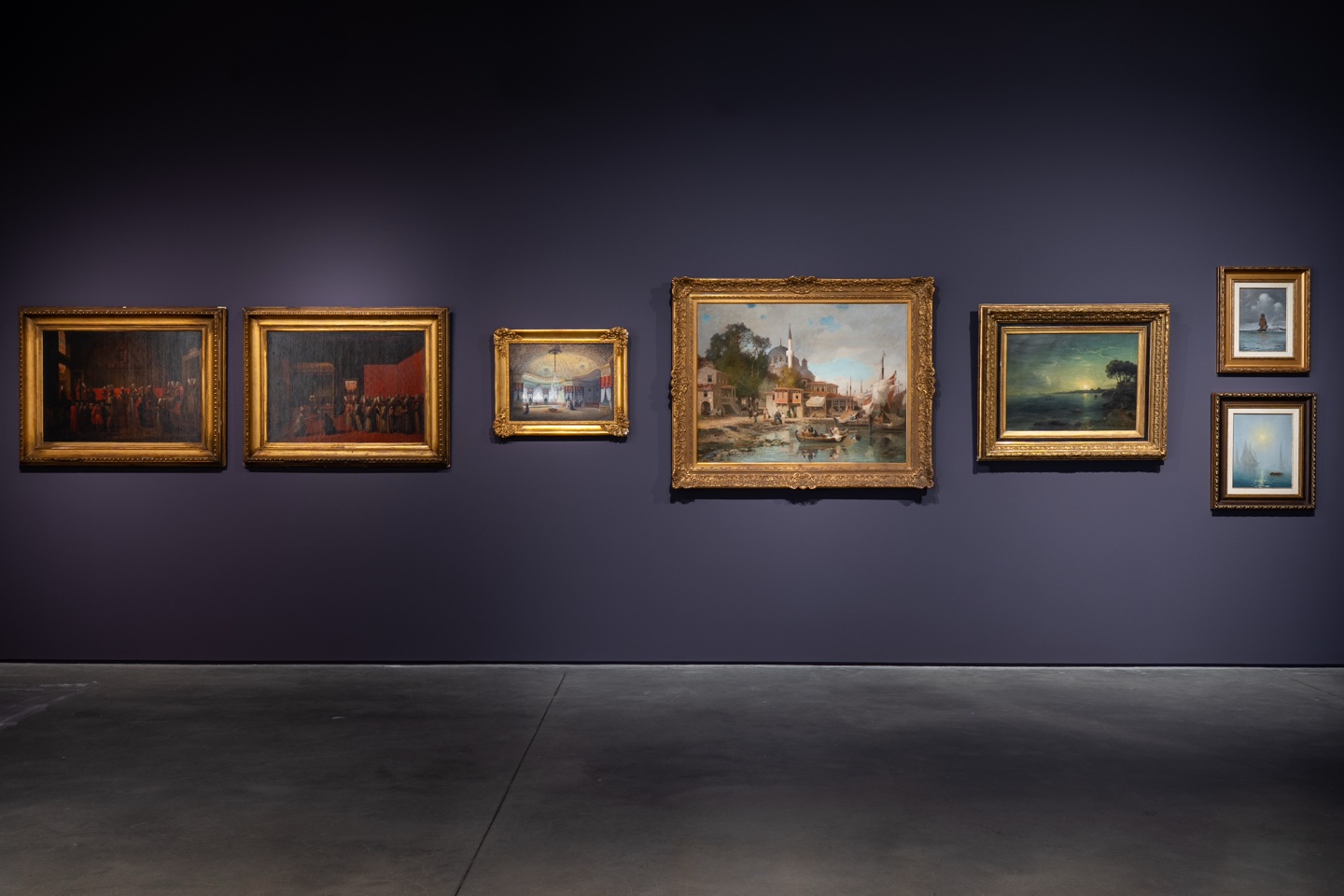
Another view of Flowing City. Photograph: Canberk Ulusan / Istanbul Modern.
Three live performances
Performances linked to “Su Akar Yolunu Bulur”, part of the 15th anniversary program of the Tarabya Cultural Academy, approach water through the body, social relationships and urban memory. Tanja Ostojić’s “Suyla Bir Olmak” takes place on Friday 20 November 2026 at 19.00. Drawing on women’s swimming gatherings, it considers menopause through shared experience and solidarity.
Nezaket Ekici’s “Yol Üstünde – Güvenlik ve Şans”, scheduled for Friday 27 November at 19.00, brings the farewell ritual expressed by “Su gibi git, su gibi gel” to the museum’s sea-facing facade. Mehtap Baydu’s “Karşılıklı Serbest Atış”, on Friday 4 December at 19.00, explores agency, dependency, restriction and liberation.
Catalogue and visiting
The exhibition catalogue in preparation will bring together photographs of the works, artists’ texts and essays by the curators. Gürbey Hiz’s essay “Deniz Gördüğümüz Yerler” examines the changing relationship between Istanbul’s waterfront and urban life from the 1890s to the present.
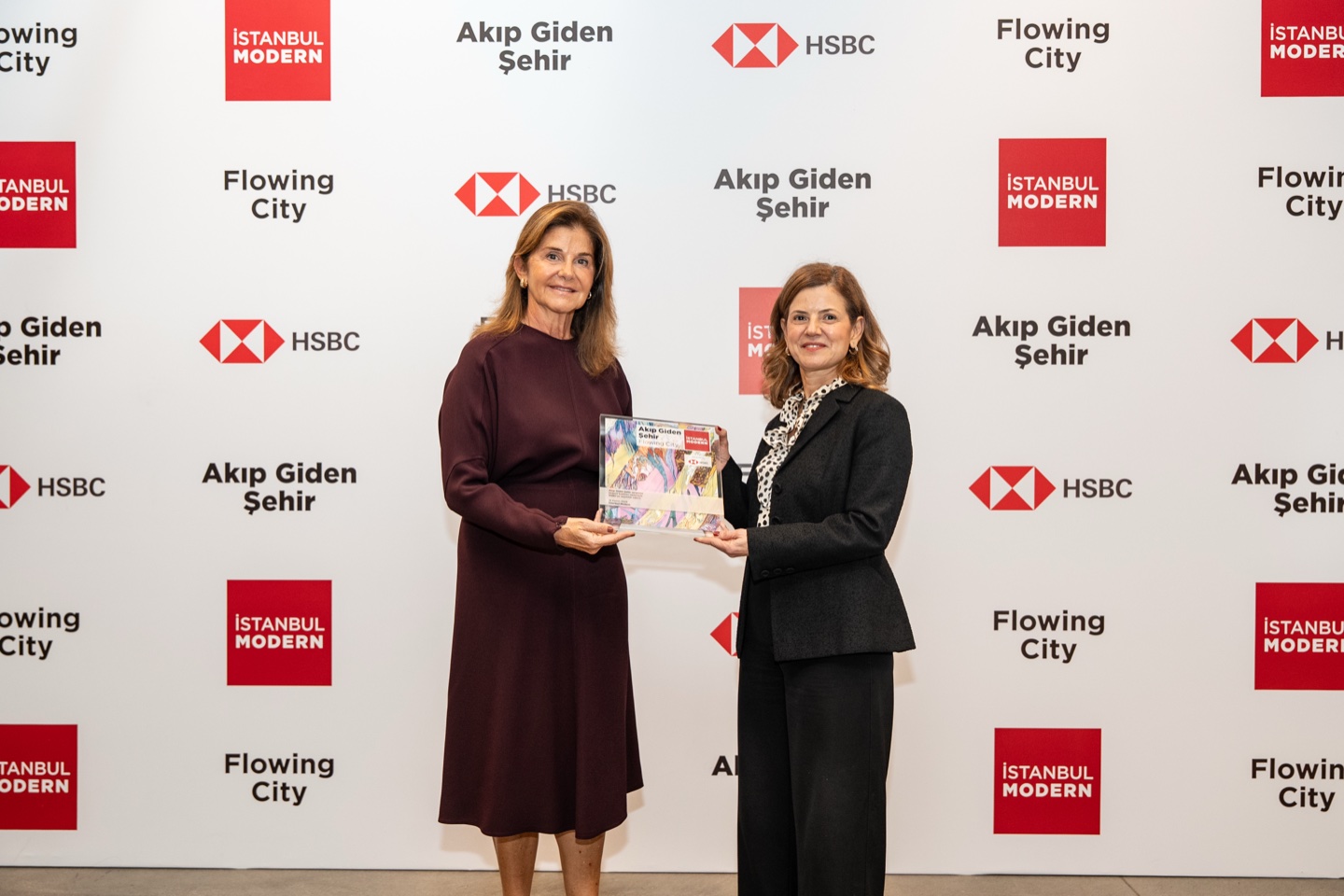
From left: Ümit Mesci, Oya Eczacıbaşı, Burçin Ozan and Nilay Dursun. Photograph: Canberk Ulusan / Istanbul Modern.
Istanbul Modern Chair Oya Eczacıbaşı describes water as a force shaping not only the city but also life and memory. HSBC Türkiye CEO Burçin Ozan frames the sponsorship as a partnership supporting dialogue between cultures and generations.
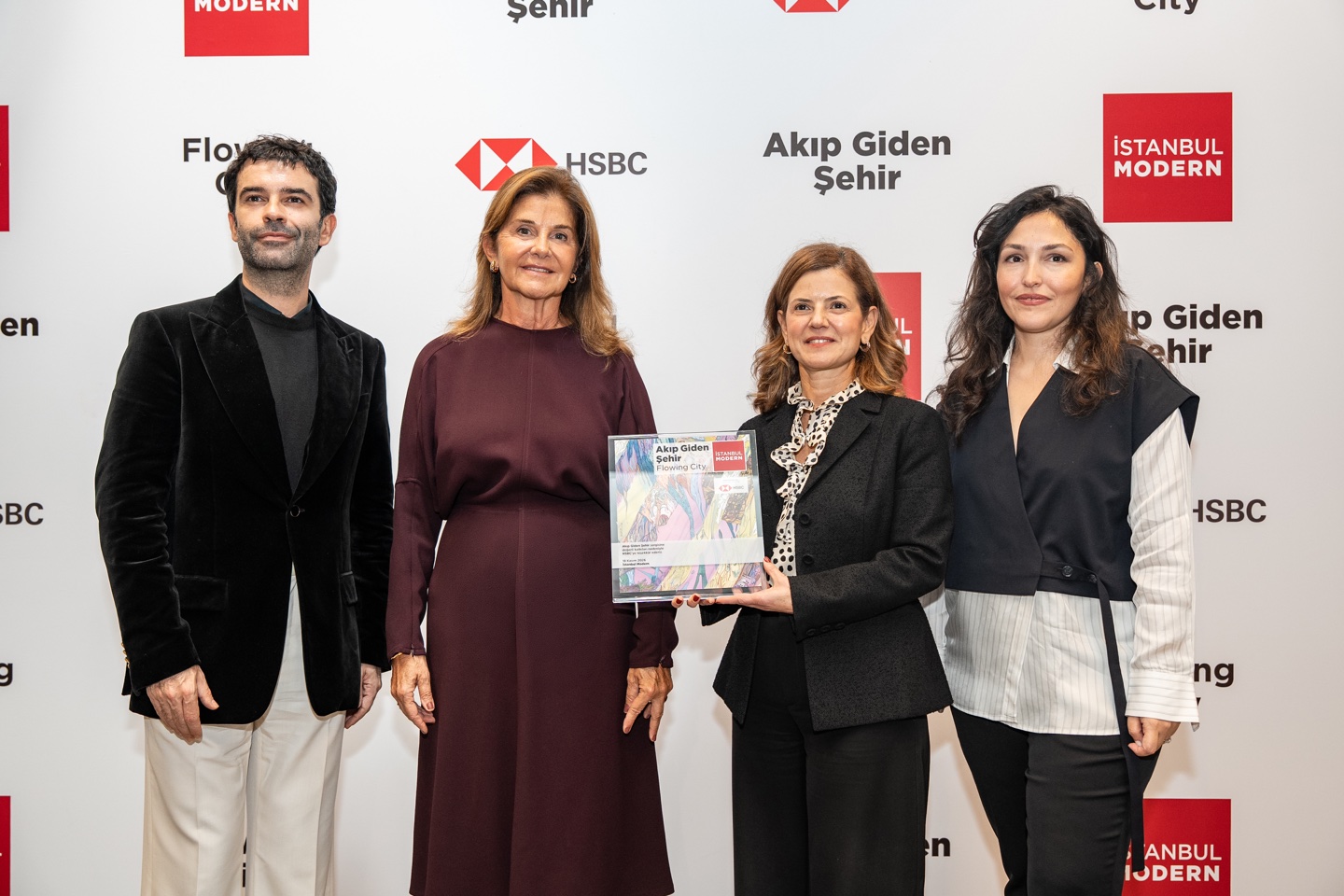
Oya Eczacıbaşı and Burçin Ozan. Photograph: Canberk Ulusan / Istanbul Modern.
“Flowing City” is on view at Istanbul Modern from 19 November 2026 to 27 June 2027. Source: Istanbul Modern’s press release dated 19 November 2026 and its official exhibition page. Images: Istanbul Modern press materials; artwork and photographer credits accompany the relevant images.