



















Çerkes Karadağ, who began his journey with literature and combined it with the technical and aesthetic depth of painting and photography, recounts his 50-year artistic journey. We discuss how a passion that emerged from darkrooms in 1970s Ankara evolved beyond the boundaries of “documentary” photography into a “conceptual” language. From the loss of urban fabric to the intellectual responsibility of photography, and from his own visual oeuvre to his aesthetic pursuits, Karadağ evaluates the art-historical journey of photography from his own perspective.
When did your interest in photography begin?
When I came to Ankara from Ağrı at the end of 1971, my greatest interest and excitement were actually directed towards literature; I was writing short stories and also experimenting artistically with painting, photography, and copper engraving. In Ankara's Zafer Bazaar, in the Booksellers' Bazaar, there was an older bookseller whom important figures such as Hasan Hüseyin, Ahmet Arif, and Enver Gökçe frequently visited. Most of the people I met there were writers, illustrators, and theatre practitioners. The expensive cameras I saw in their hands, such as Hasselblad, Nikon, and Leica, rekindled the mystery of photography and the magical atmosphere of the darkroom, which had never left my mind since childhood. With a camera called the Kodak Retina II, which my high school teacher had lent me to use, I began making my first serious photographic work and trying to test myself through images.
Did you receive formal photography training?
In 1973, I entered the Painting Department of Gazi Education Institute with the intention of receiving photography training rather than focusing primarily on painting. At that time, apart from the Academy of Fine Arts and Gazi Education Institute, there was not even a school, let alone a department, that offered photography courses. Despite the limited facilities in the studio established by Şinasi Barutçu, I tried to push my own limits and learn as much as I could. Painting became my first stop on the road to photography. This was because I regarded painting as an art confined to the studio and endlessly occupied with repetitive, formulaic subjects, whereas I saw photography as the art of the future and the language of reality.
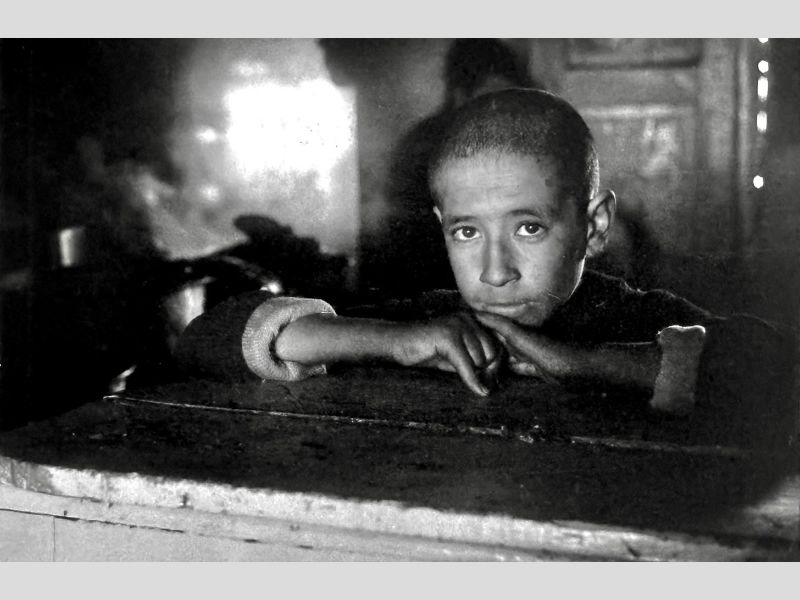
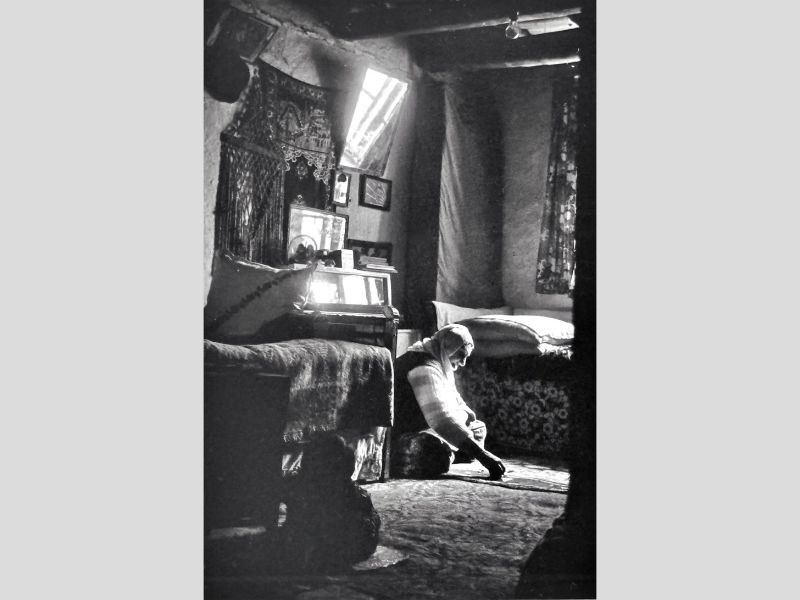
In the political climate of those years, we had pure and somewhat naive ideals, such as getting to know our people and contributing to our socialist ideas through visual means. I carried out my first photographic works in Ağrı, among the people I knew best: my family, relatives, and the places where I had lived and accumulated memories. I brought together the works I produced intermittently between 1973 and 1980 under the title “Towards the Highland.” In 1977, I held my first slide presentation at the Ankara Art Theatre, in a theatre hall attended by Uğur Mumcu, Sevgi Soysal, and other distinguished guests. In 1979, my first painting exhibition, selected by painter Eşref Üren, was unfortunately rejected by a jury that included my own teachers, without the paintings even being viewed. This broke my enthusiasm and interest in painting.
What did photography promise you in those years?
Actually, the most important aspect of photography that fascinated me was its power to command light and life and to transform reality into a mysterious visual experience. Photography brought me face to face with people, made me a witness to their lives, and enriched me with the ability to make lived moments permanent. As a young person searching for an identity in photography, I have no hesitation in saying that I felt isolated and unsupported at a school that trained students to become painting teachers. This was because people at the time were so far removed from the idea that a photograph taken with a camera could be considered art! However, this did not concern me very much. On the contrary, I began reading and researching more about the contemporary language of photography and directing my path towards artistic photography.
Another reason photography increasingly came to the forefront of my life was the intellectual environment created by the Cold War and a bipolar world. During my formative years, the older brothers I was constantly surrounded by placed great value on the idea of reality and presented philosophy and idealism as guiding principles for us. In that period, when people read books, watched films, and filled theatre halls, photography was both a refuge for me and a creative field with which I felt a strong affinity.
So, what were you doing? How did you approach photography and work with it?
A friend with whom I used to take photographs and I would occasionally visit second-hand bookshops, trying to find British and American Photo Annuals. We would discuss each photograph for hours from technical, aesthetic, philosophical, and optical perspectives, trying to expand our knowledge and develop our way of seeing. In a sense, we were dissecting the anatomy of every photograph and almost rediscovering ourselves in the process.
In those years, we had lengthy discussions about the artistic value of grain, the contribution of optical distortion to photography, and the visual language of colour films. These discussions about the technical and aesthetic dimensions of photography later formed the foundation of my writings on photographic theory.
Did you completely abandon painting during those years?
My connection with painting was completely severed from 1978 to 2008. Afterwards, I began returning to painting, this time much more strongly. By then, I had accumulated considerable experience in photography and, going beyond that, had put the knowledge I had gained about the language of light, the understanding of composition, and visual language into practice in numerous publications.
Where did you stand within the photographic environment in Türkiye at that time? On the one hand, you were interested in documentary photography, while on the other, you were also involved in the process of organising the photographic community. How do you remember those years?
With the association-building process that began in Istanbul in the mid-1970s and spread to other provinces, a distinct grouping began to emerge within the photographic community. Yeni Fotoğraf magazine, published by Gültekin Çizgen, both guided the handful of people who came together in the photographic world of that period and featured them in its pages. The dominant photographic approach of the 1970s was based on documenting reality in all its naturalness. In fact, the value of photography was assessed according to the extent to which it served the working class and social struggle. To be honest, I also felt close to this perspective and approach, and for this reason I tried to portray my fellow workers and the people in my immediate surroundings.
The hopelessness and chaotic atmosphere created by September 12 began to develop in me a conviction that it would be beneficial to reconsider photography. As I began to realise that the pursuit of moments through street photography no longer gave me pleasure, and that reality could be manipulated through optical means, I became convinced of the need to seek a new path. I saw that my ties with reality, and my relationship to it, were gradually weakening. When I realised that documentary photography was the work of journalists and photojournalists, and that creativity in this field often took second place to reality, I began turning towards artistic and creative photography.
Was there a particular role model who played an influential part in your decision to take this path?
Although the work of Şahin Kaygun, whom I met during the Academy of Fine Arts entrance examinations in 1972 and from whom I briefly took drawing lessons, had some influence on this transformation, I would say that my stubborn nature and curious pursuits contributed even more.
The factional conflicts within photography associations, biased juries, and entrenched management structures distanced me from the organisational side of photography. At the same time, they led me to participate in virtually every printed publication. Interestingly, although I never won an award in the competitions held during that period, the same works were later accepted by the Ankara Painting and Sculpture Museum, the Elgiz Museum, and many distinguished collections.
However, one of the most important sources of motivation for me was the rich imagery in the international fashion magazines that I greatly enjoyed browsing at the Hachette Bookshop in Ankara during those years. The magazines were displayed on two separate stands, one for women and one for men. While browsing the women's magazines, I would often encounter curious looks from women. One day, the bookshop manager asked me, “Why are you looking through women's magazines?” I explained my interest in fashion photography and told him that I was studying the technically and aesthetically accomplished photographs in the magazines because I wanted to develop my skills in this field. He did me a favour and allowed me to browse as many magazines as I wished at a table in the corner.
Did the work you produced also change as you turned towards fashion?
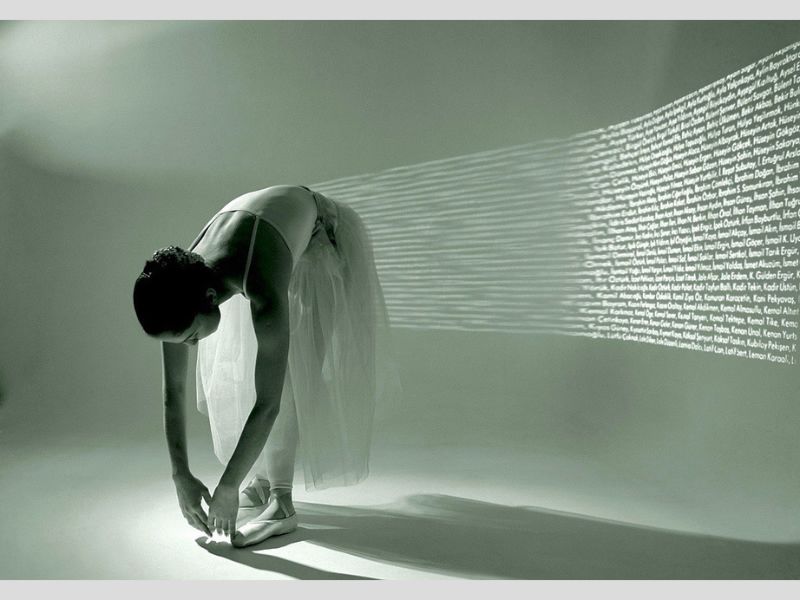
After the 1980s, I completely abandoned the documentary approach to photography. Influenced by fashion photography, I first began focusing on nude series and subsequently on photographs of ballerinas. During that period, I began bringing my work together in albums. My albums Nuance and Baleylim are products of this period. My aim in all these album projects was not to document or describe nudes and the art of ballet, but to develop a language of social narrative through the human body and the art of ballet. This is because aesthetic forms and structures are valuable and meaningful to me only insofar as they provide a source for, or accompany, an idea.
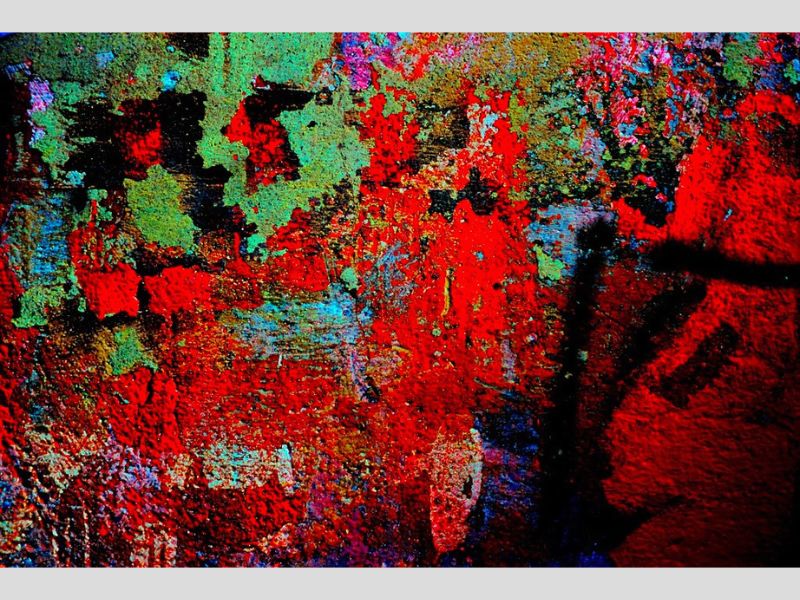
"From the 1990s onwards, I began the “Cities–Images” series, focusing on the spirit and atmosphere of cities. My aim was to interpret, within my own imaginative world, the waterfront cities representing Eastern and Western civilisations. Within this scope, I photographed Prague and Budapest; however, I was unable to realise my planned projects in St. Petersburg, Istanbul, Cairo, and Baghdad due to political circumstances and wars. I approached Prague through the state of mind found in Kafka's Letters to Milena, and Budapest through its post-Soviet stagnation. My album “Magical Prague” was awarded a state medal in the Czech Republic. The century-old walls of Bursa, the divided spirit of Nicosia, and the “Monotonous Stories” series became important milestones in the visual language I developed around the memory of cities. Later, I continued turning my camera towards Gaziantep, Mut, and İzmir, collecting the imaginative impressions these cities left on me."
In the 1970s, the influence of figures such as Henri Cartier-Bresson was strongly felt, as had been the case with Ansel Adams and Nadar in earlier periods. Who were the figures who shaped your aesthetic approach and whom you considered close to you in terms of genre within this environment?
Actually, I was very interested not only in the history of photography but also in art history. I tried to study in depth the development of photography as an art form, its technical and aesthetic journey, the movements that emerged, and the pursuit of different styles. In fact, I have another book, entitled The Artistic Journey of Photography, which I have been working on for many years but have not yet completed. Some of the photographers I initially took as examples or who influenced me in my photographic life were Yousuf Karsh, Horst P. Horst, Ansel Adams, and Robert Mapplethorpe.
Years ago, during the launch of my portrait album entitled “Familiar Faces” in Paris, I visited Gökşin Sipahioğlu, the founder of Sipa Press. He was deeply impressed when he saw my albums. Pointing to the building next to the agency, he told me that it had once been Europe's largest fashion studio and had belonged to them. He said, “If we hadn't lost this place, I wouldn't have sent you back to Türkiye, because you have a good eye for fashion.” His words were a great honour to me.
Of course, while my passion for fashion photography helped me become proficient in studio photography, it also began to provide a foundation for the work I produced later. Working in the studio enabled me to become acquainted with all the great masters who created extraordinary works in this field, from Man Ray to David Bailey and from Edward Weston to Peter Lindbergh.
Do you think documentary photography, particularly with the advent of war photography, has been reduced to nothing more than a documentation of “news and blood”?
Absolutely! The Crimean War of 1855 was the first point of contact between photography and war. I recently read in the memoirs of Roger Fenton that he had signed a contract at the British Royal War Ministry, where he had been summoned to take war photographs, to produce images “without blood and tears.” Later, I began tracing the footsteps of James Robertson, who came from this school and had worked as Fenton's assistant, and researching the photographs he had taken in the Ottoman Empire. I would also like to point out that some of the important soldiers who died in Crimea, where the world's first war photograph was taken, are buried today in the British Cemetery in Haydarpaşa.
James Robertson was a photographer and master engraver; he produced decorations, seals, and medals for the Ottoman Empire. His signature appears on a number of photographs in the archives of Yıldız Palace and on records of important historical events, such as the raid on Taksim Barracks. The story of Weinberger, who worked as his assistant, is also quite interesting. He was a colourful yet dark figure who had been in Ankara during the early years of the Republic. There are accounts suggesting that Weinberger, who was both a talented painter and photographer, sold information he gathered in places he entered in his capacity as a photographer and painter to foreign diplomats.
You have shared some wonderful information about the history of photography with us…
For a period, I conducted research into the history of photography with Seyit Ali Ak, particularly concerning Anatolian photography and photographers. I compiled considerable information about photographic movements in Republican-era Ankara and about Weinberger, Osman Darcan, Cemal Işıksel, Ethem Tem, Atatürk's official photographer, Foto Ressam Ziya, and other well-known photographers. Over time, as I became deeply involved in research into photographic history, I realised that I was moving away from artistic practice. I told Seyit Ali Ak that I no longer wanted to work on photographic history and handed over the documents I had in my possession to him.
How do you position Sebastião Salgado in relation to your own vision of photography?
Salgado is not merely a “documentarian”; he is an “artistic documentary photographer.” Not many people know that there is a very sharp distinction in the history of photography between a “documentary photographer” and an “artistic documentary photographer.” The old masters, such as Eugene Smith, Edward Steichen, and Alfred Stieglitz, did not merely document a situation in their photographs; they also infused it with a poetic and pastoral spirit. For example, Steichen's photographs of New York are more than depictions of a city; they are a series of artistic photographs that bear witness to the intense realities of migration and displacement within it.
When we consider that Georgia O'Keeffe, Stieglitz's model, lover, and muse, was one of the most important painters of modern American art, we can better understand this generation of photographers at the beginning of the century. This is because figures such as Stieglitz, Steichen, and Capa were not merely producing photographs; they were contributing to the formation of modern art alongside artists who occupied a central position in the worlds of painting, literature, and thought.
The first fifty years following the invention of photography progressed entirely along an artistic trajectory. However, during the second fifty years, the market expectations of postcard photographers, who were distant from aesthetic and artistic experience, began to come into play. From this perspective, I do not consider it accurate to describe Salgado's creative vein as documentary. On the contrary, I find it more appropriate to associate his work with the spirit of the lost first fifty years of artistic photography.
We are now in photography's second century. What would you like to say?
On the 150th anniversary of photography, I organised an original and meaningful exhibition in the FSK galleries in Ankara, presenting the development of this discipline in Türkiye. We are now in its 200th year. For that exhibition, I conducted extensive archival research and brought together all the figures who shaped the photographic memory of this land, from the Abdullah Brothers to Sabah & Joaillier, from Hamza Rüstem to Osman Darcan, and from Ethem Tem Efendi to Süleyman Süreyya. Undoubtedly, photography played a pioneering role as the most striking visual evidence of modernisation in these lands. I would like to say that reflecting on what we have added to this tradition or what we have lost in the 200th year of its invention is, in a sense, a way of reflecting on our own identity.
How has your accumulated knowledge of the theoretical and historical documentation of photography been reflected in your photographic practice?
Trying to understand the historical and aesthetic layers of photography was a mode of production for me. Since the 1990s, I have published 13 volumes on the aesthetics of photography and “the language of seeing.” With the three volumes I am currently working on, this number has reached 16 books. In addition, five volumes in this series have been published in English by Amazon and can be obtained from anywhere in the world. I would also like to mention that I reached an open-access agreement with my publisher so that everyone could access the texts free of charge.
At the theoretical level, I greatly value and appreciate the writings of Susan Sontag, John Berger, and other thinkers on photography. However, these texts mainly open a limited window onto the world of signs and symbols in photography. They offer interpretations and analyses based on images that have already been produced. My books, on the other hand, examine the process before a photograph is taken: the state of mind, design concerns, and how a creative language and perspective can be shaped. In my opinion, it is impossible to speak of a photographer as a good observer and photographer if their ideas have not become clear or mature during the process preceding the act of taking a photograph.
In your opinion, what qualities should a good photographer possess?
Photography is an intellectual pursuit rather than a technical skill. All the great photographers in the world are well-equipped intellectuals who have a command of the art, literature, and politics of the cultures to which they belong, as well as all the knowledge offered by the modern age. The greatest poverty of photography in Türkiye, however, is the photographer's lack of this intellectual depth. Many people who own a good camera and receive limited technical training believe that there are now no obstacles preventing them from becoming photographers, or even artists.
Art is undoubtedly an integrated activity. In my opinion, the artistic claims of photographers who are unaware of the connections and transitions between different art forms are highly unfounded. If a photographer does not participate in art fairs, literary circles, or discussions within the world of poetry, they are confined to their own photographic island. What strikes me about the general picture is that photographers lack curiosity and interest in art and culture.
A significant proportion of street photographers between 1950 and 1970 possessed an artistic discipline and a visual language. Today, however, only “images and moments” are being produced. Yet a photographer who places an image within a cultural context also contributes to the formation of a culture.
What do you think about the fabric of the city and the spatial segregation of social classes? In the past, every street had its own character and its own “owner”; now we live in an era in which everything is everywhere and, consequently, has lost its character. Do you think this is a form of cultural erosion?
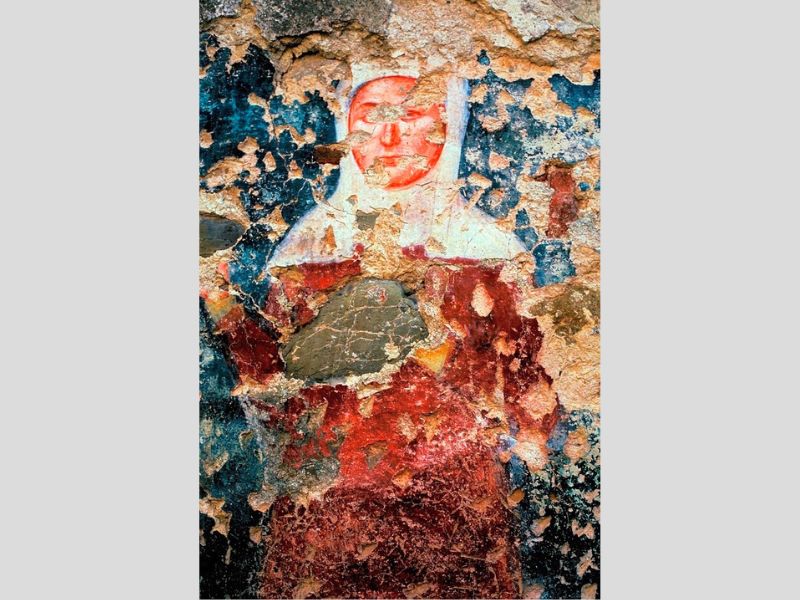
Absolutely. Cultural erosion began precisely with this spatial ambiguity. Consider the magnificent architecture of Beyoğlu, where I live. Why do you think the façades of its buildings have such magnificent and imposing appearances? The reason is that, in the 19th century, there was a commercial life with balanced and deeply rooted traditions. It was also the result of the traditional architectural and urban culture of the non-Muslim citizens who had not yet left Istanbul. At the beginning of the century, Istanbul's relations with the outside world and Beyoğlu's multicultural structure had created an “aristocratic” environment. We should speak of a way of life in which there were shops on the ground floors of buildings, offices or residences on the upper floors, and observation and relaxation areas on the rooftops where people would have a drink in the evening. At that time, streets were conceived not merely as places to pass through, but as social spaces where the elegance of leisurely enjoyment and observation could fully come to life.
I am not from Istanbul, but I am someone who has reflected deeply on Beyoğlu's cultural layers. Today, places such as Markiz, Lebon, and İnci Patisserie, as well as the distinctive arcades that gave the avenue its soul, have gradually been transformed or disappeared. Places like Narmanlı Han, which once served as breathing spaces and were used as artists' studios, have now become commercial attractions and mediocre venues. During the 1960s, artists made an effort to bring art and the public together, at least to some extent, by transferring their accumulated knowledge of art and the city to places such as İMÇ (Istanbul Textile Traders' Bazaar). There are still major works of art inside that complex today; however, I wonder how aware most of the shopkeepers in those business centres are of the cultural heritage right beside them. These works, created fifty years ago by the great artists of the period, were clearly supported by businessmen who possessed an artistic and aesthetic vision. Today, we struggle to speak of an urban culture or a managerial class capable of sustaining this vision. In an Istanbul where everyone is everywhere, yet nothing is actually “in its proper place,” and which has lost its identity, it hardly seems possible to find that distinctive fabric worth photographing.
So, can we say that street photography in Istanbul has lost its character and that the distinctive spirit known as “being an Istanbulite” has dissolved?
We can certainly say so. As Istanbul loses its character and historical fabric, it also loses the depth reflected in its street photographs. To understand this reality, I traced the footsteps of engravers who depicted Istanbul 150–200 years ago; I visited many places, from Kasımpaşa to Balat. However, I saw that most of the places remaining from that period had largely disappeared.
At this point, a new engraving concept began to take shape in my mind. My aim was to create traces of the present if the traces of the past had been erased, and to develop a new “engraving approach” that would connect the past with the present. This was because I believed photography was insufficient to express this feeling. Painting therefore became a form of expression through which I could reconstruct the city. An artist is someone who is not content with what exists, but reconstructs what has disappeared on an aesthetic plane.
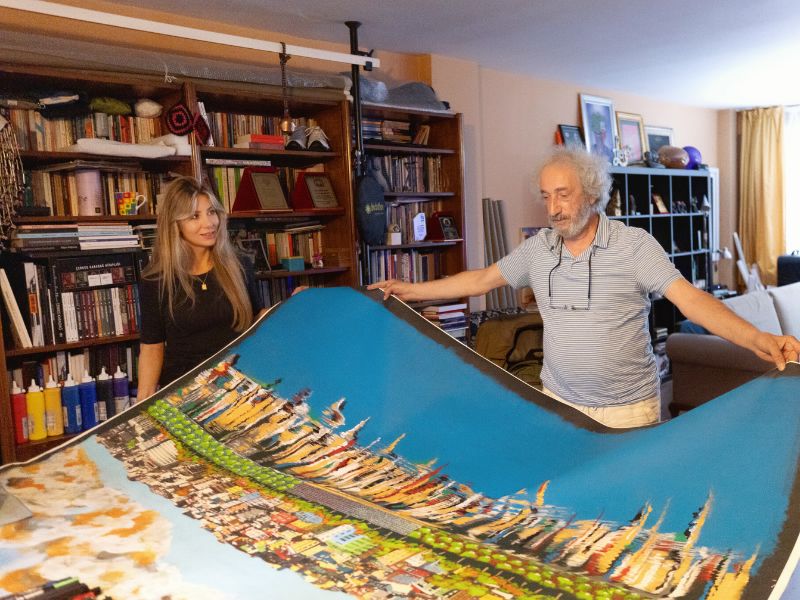
(Pointing to the artwork) What medium did you use to create this work?
It is entirely acrylic paint on canvas. Actually, I initially began this visual journey as a photography project. However, when I could not find the mysterious atmosphere I was looking for, I chose the “accumulations” surrounding the Golden Horn as my subject. Since I believed that the complex architectural fabric around the Golden Horn possessed an atmosphere worth drawing, I decided to call my paintings “New Engravings.” At the point where the boundaries of photography reached an impasse, painting became a form of expression for me, filling this void and allowing me to reconstruct the city.
So, do you think photography is an art?
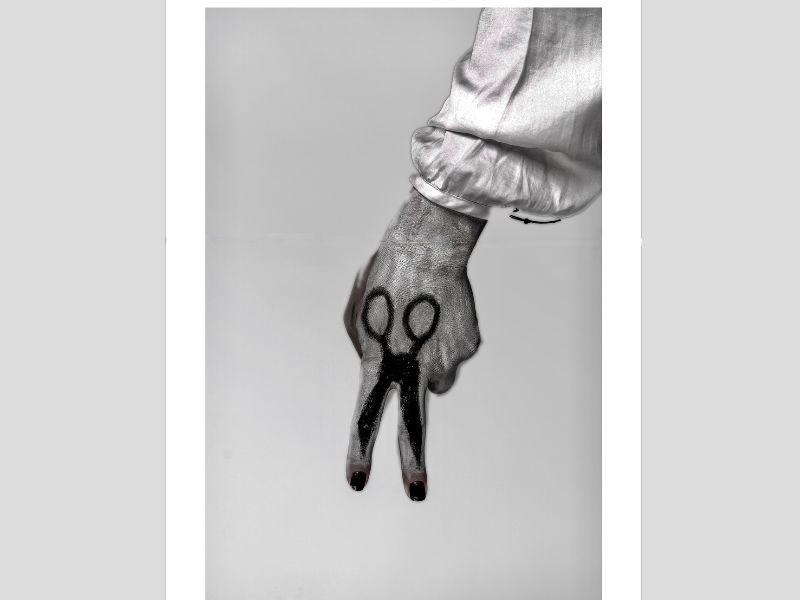
Photography is undoubtedly a widespread and compelling field of practice in its own right. The discipline we call “artistic photography,” however, can only come into being at the point where that practice meets art. What makes a photograph a work of art is not what the camera captures, but the relationships and elements that the photographer constructs within their mind and imaginative world.
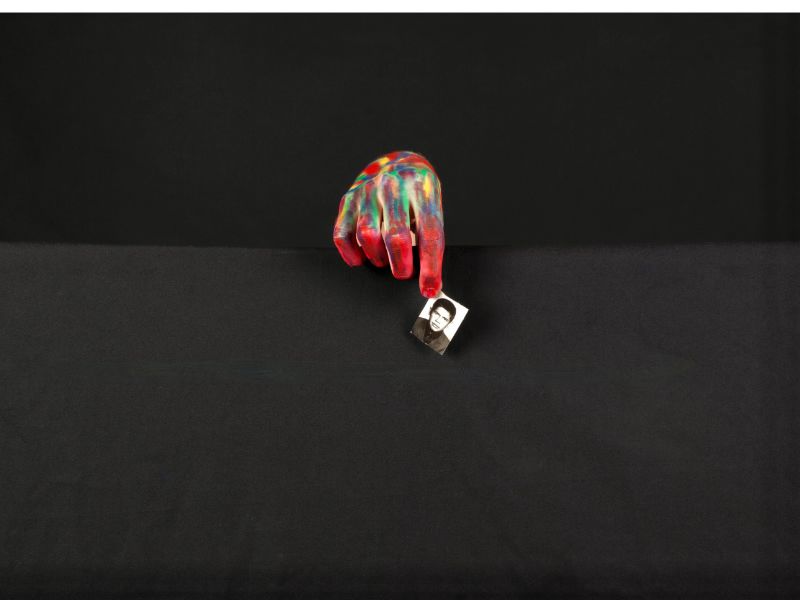
Which concepts occupy your thoughts most these days?
In my artistic practice today, particularly in recent times, I have encountered a situation that keeps the concepts of “existence, identity, and nothingness” alive. In my early youth, I was involved in athletics to some extent. A large proportion of my circle of friends consisted of athletes who later achieved great success and won championships. A few years ago, when I heard that the documents and photographs of these friends had been thrown away, I honestly felt profound sadness and anger. This led me to question the concepts of identity and nothingness more deeply.
Türkiye carries the historical and cultural heritage of a vast geography stretching from the Balkans to Central Asia. Although we present a unified identity to the outside world, entirely different indicators of identity and stories remain hidden within our homes.
How did your career abroad and international recognition develop? We have spoken mostly about a trajectory focused on Türkiye; shall we turn our attention abroad as well?
From the 1980s onwards, international competitions were our only window to the outside world. In those years, when Türkiye was closed off from the world and art institutions had not yet been fully established, participating in these competitions was the only way out for photographers like us. My ballet photographs were accepted into the collection of the Yugoslav State Theatres after I won a silver medal for the first time at a prestigious competition held in Yugoslavia in 1986. This was followed by my exhibitions in Germany and Paris.
I should also mention one of the “if onlys” in my photographic career. In 1989, I sent my Nuance album to Aperture magazine. A short while later, I received a letter informing me that my portfolio would be published in one of its 1997 issues. Due to my inexperience at the time, I failed to grasp the significance of an opportunity scheduled eight years into the future. Yet being published in Aperture could turn a photographer into an internationally recognised artist.
During an exhibition I held in Mannheim, Germany, in the same year, I also met an experienced art dealer who directed my work to a publishing house. The publishing house had decided to publish my photographs internationally. Unfortunately, due to misleading guidance, I was unable to take advantage of this opportunity either. Today, however, I do not regret these missed opportunities; I see them as important milestones in my artistic journey, which has unfolded over many years.
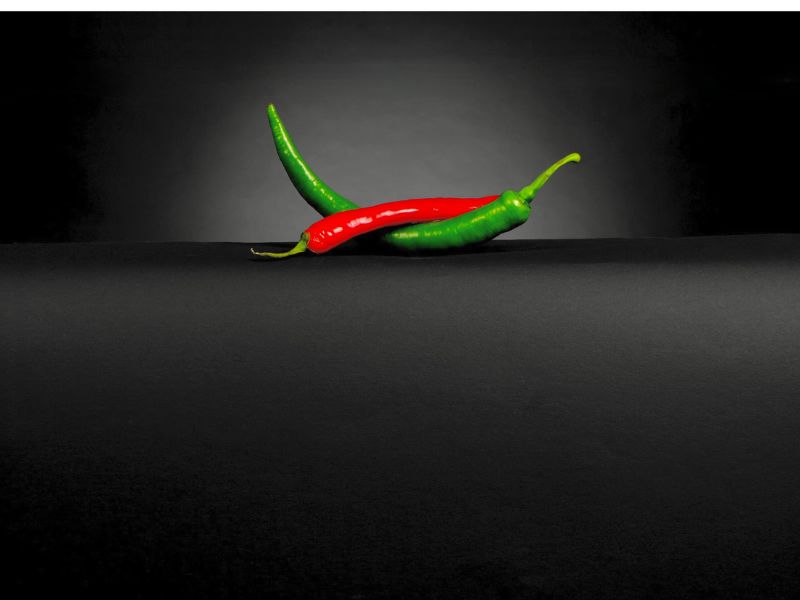
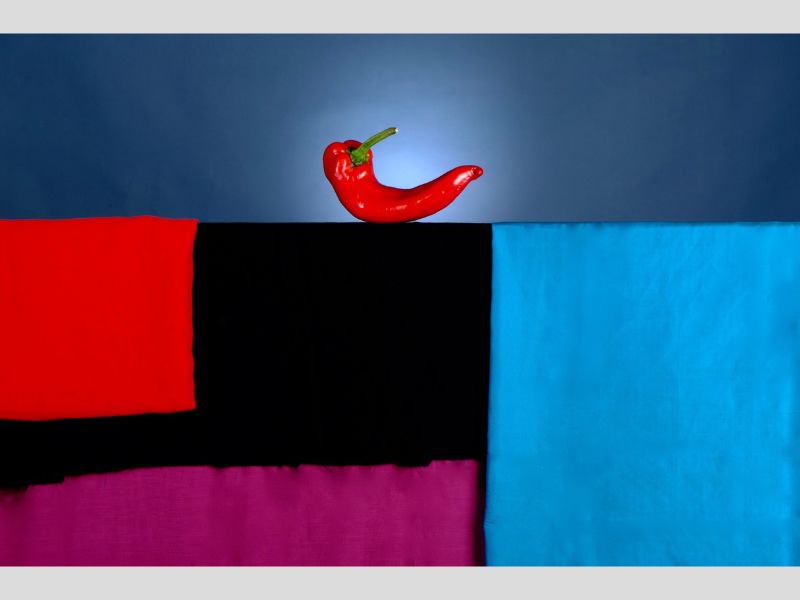
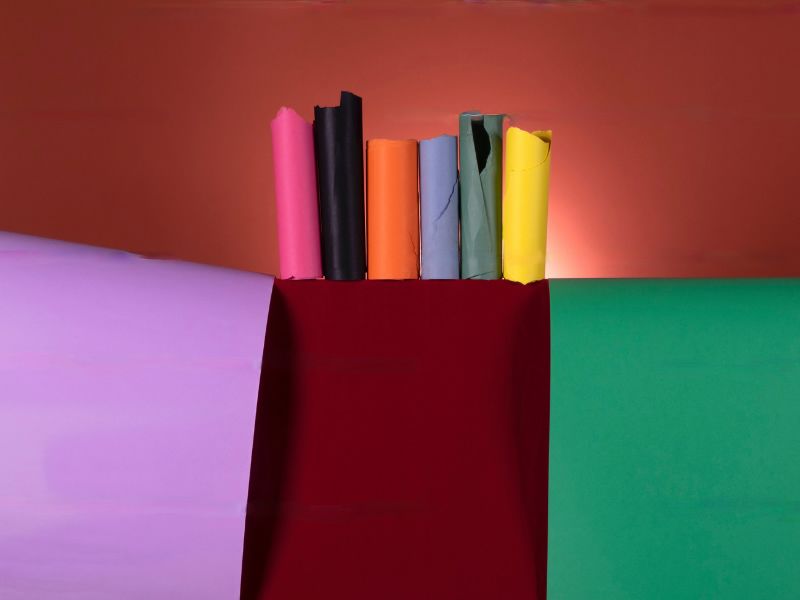
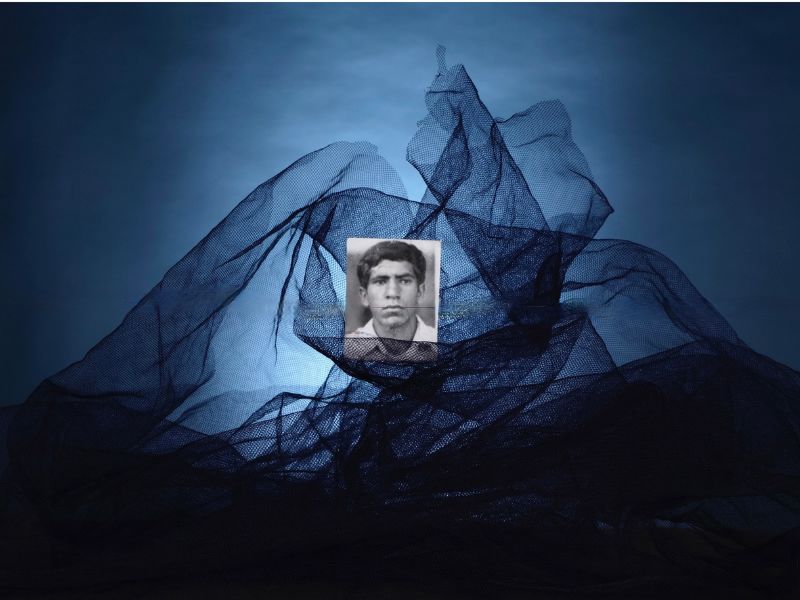
"I can summarise my understanding of art as follows: Photography is not so much a completed act as an activity that is ready to ask questions. Recently, peppers have become my companions on this journey… Yellow, red, green; whether hot or sweet, I use all their forms to question the human condition. Our bitter and sweet sides, our sharp tongues, our reactions, and our tolerance… In addition, I am working on identity and memory through artistic still lifes made from torn paper and discarded colourful packaging materials, as well as through old identification photographs. In my view, identification photographs are criminal indicators left to the infinity of time and shaped by the demands of official institutions."