
















September 29, 2026 – March 28, 2027
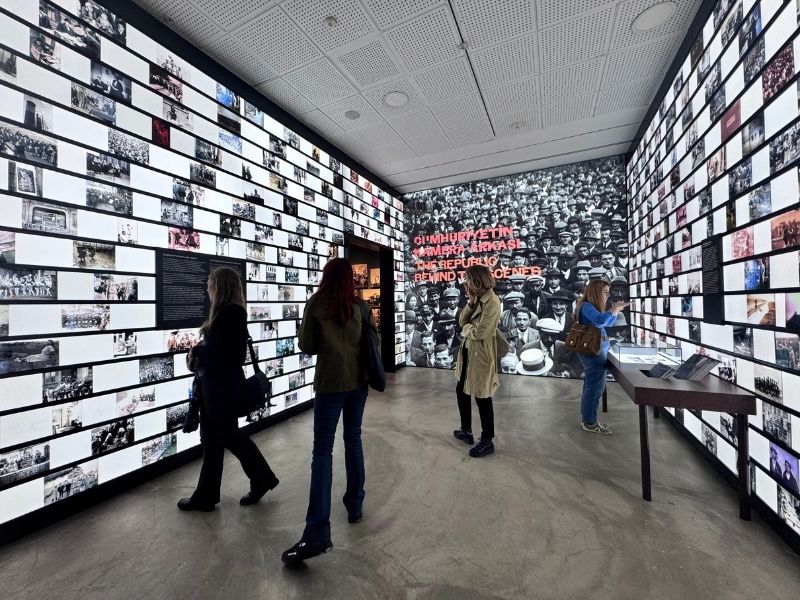
Pera Museum is presenting Behind the Camera of the Republic, an exhibition organized to mark the 20th anniversary of the Istanbul Research Institute (İAE), exploring everyday life in early Republican Istanbul and the behind-the-scenes world of photojournalism. Curated by İdil Çetin and Ahmet Ersoy, the exhibition draws on images selected from the Press Photographs Archive, part of the Suna and İnan Kıraç Foundation Photography Collection, which comprises more than 90,000 negatives. The exhibition offers new perspectives on the social diversity and visual memory of the period.
The Suna and İnan Kıraç Foundation Pera Museum is bringing Behind the Camera of the Republic to art lovers as part of the celebrations marking the 20th anniversary of the Istanbul Research Institute (İAE). Curated by İdil Çetin and Ahmet Ersoy, the exhibition features photographs selected from the Press Photographs Archive, a collection of more than 90,000 negatives held within the Suna and İnan Kıraç Foundation Photography Collection. Spanning the 1920s to the early 1950s, the exhibition looks at Istanbul from an unconventional perspective.
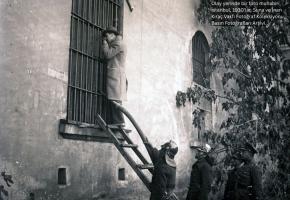
The selection brings into view everyday life on the streets, the rhythm and spaces of the city, social and political events of the period, as well as images that never made it into newspapers. In doing so, it examines the diversity of subjects documented during the early Republican era alongside the behind-the-scenes practices of photojournalism.
A Multilayered Visual Memory of More Than 90,000 Negatives
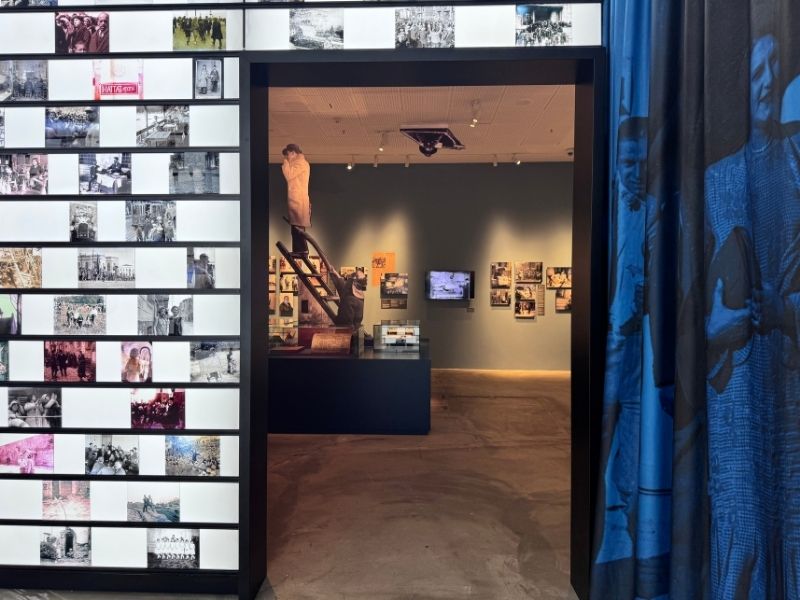
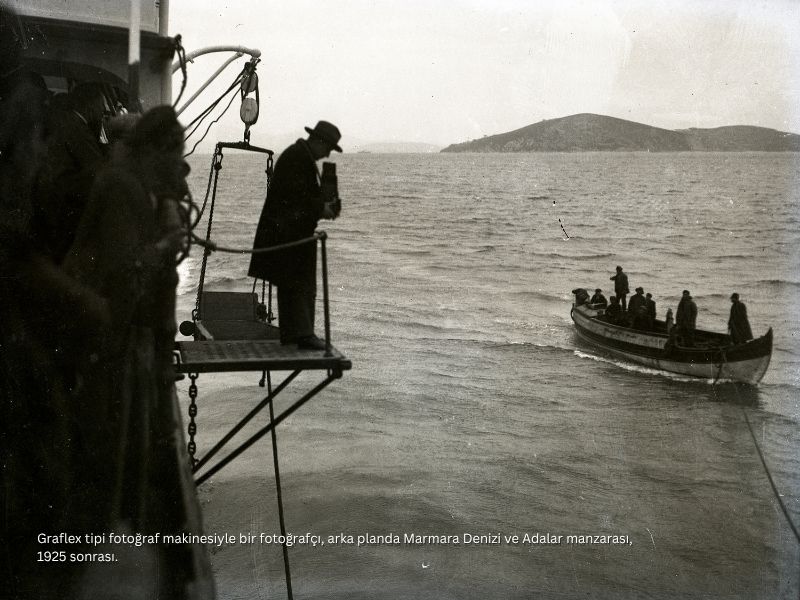
The reproducible nature of photography has generated an immense visual accumulation since the 19th century, far beyond the images that entered circulation. Photographs that were excluded from publication, left unused, or lost their relevance over time also became part of this accumulation, forming different layers of visual memory. Behind the Camera of the Republic focuses on this visual material left behind in the process of news production.
Behind the single photograph that appeared on a newspaper page were numerous images documenting the same moment just seconds before and after it. Behind the Camera of the Republic places published photographs alongside other frames from the same sequence, revealing different details of events as well as the choices made by photographers. Interventions on negatives—including cropping, scraping, and masking—also reveal the editorial journey through which an image made its way onto the newspaper page.
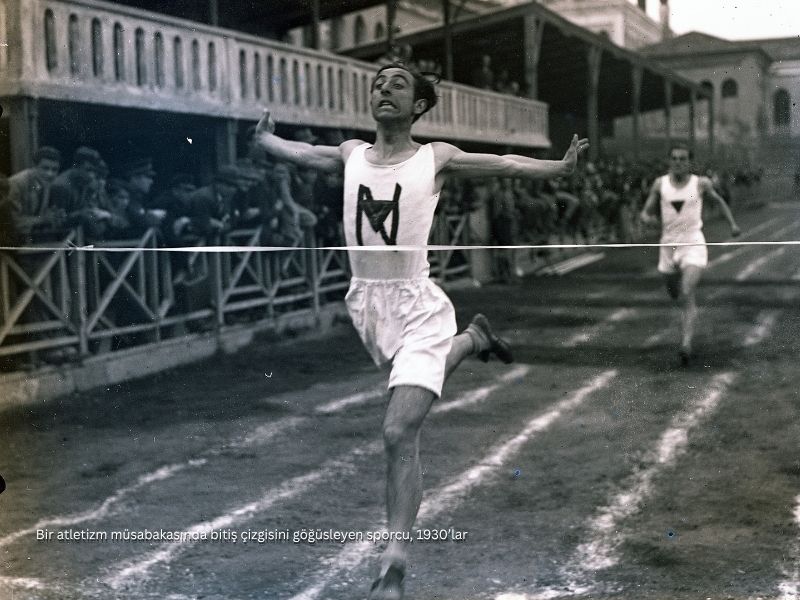
The selection also includes photographs in which focus is blurred, lighting shifts, images overlap, or traces of time are physically visible. By bringing renewed attention to images that fall outside conventional archival and exhibition criteria in technical terms, the exhibition also broadens the ideological framework through which the period can be viewed.
Curators İdil Çetin and Ahmet Ersoy comment: “Behind the Camera of the Republic shares with visitors the complex and multilayered nature of an archive composed of the everyday, unprocessed products of photojournalism during the early Republican era. We believe the Press Photographs Archive is particularly valuable as an ‘archive of waste,’ consisting largely of photographs that would normally have been expected to be discarded because it was clear they would not be used. This archive, the product of photojournalist Selahattin Giz’s passion for collecting without distinguishing between good and bad photographs, reflects the complex texture of lived reality—with all its enthusiasms, internal tensions, uncertainties, and impasses. In this respect, it takes viewers beyond familiar patterns of memory surrounding the early Republican period.”
Istanbul in the Streets, Squares, and Court Corridors
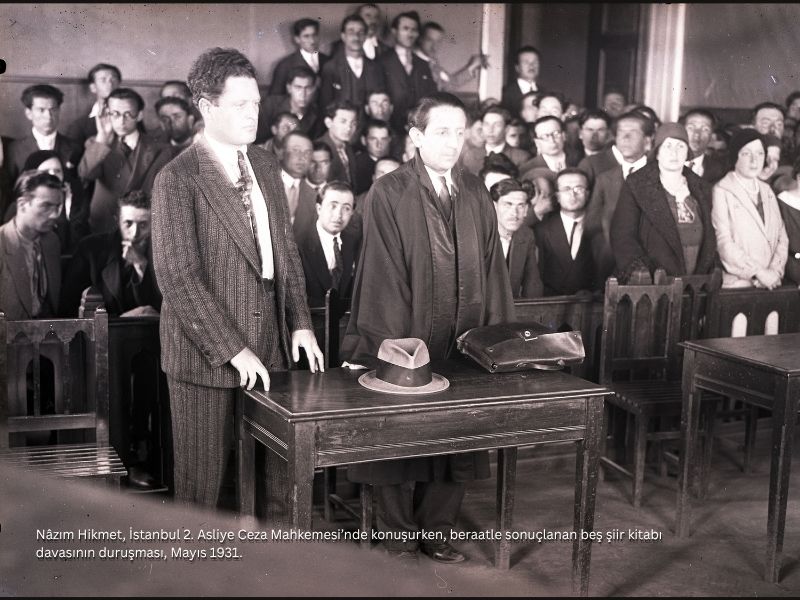
The exhibition presents scenes from neighborhood streets, crowded avenues, sports grounds, entertainment venues, and workplaces, offering a view of everyday life in early Republican Istanbul. Children playing in the streets, people making a living, crowds watching performances, athletes, and people relaxing in the city reflect the beating heart of Istanbul from different perspectives. This multifaceted gaze directed toward the Republic’s cumhur—its people—also incorporates marginalized and excluded subjects, as well as unidentified faces, into the historical narrative.
Accidents, fires, crime scenes, prisoners, injured people, and those waiting in court corridors reveal the harsher side of the period’s news world. At times, the photographs focus on the event itself; at others, they draw attention to curious crowds gathered around it and looking toward the camera. These encounters also convey the presence of the press photographer in the city and the relationship established with the subjects being photographed.
Images of family gatherings, excursions, and groups of friends in the archive reveal the points of transition between professional photography and private life. The public and personal images brought together within the archive’s multilayered structure reflect the uncertainties, tensions, and diverse experiences of the period while offering an unofficial testimony to Istanbul’s social fabric. They transform the past into an open space of remembrance where multiple perspectives converge.
An Archive Shaped by Collective Photographic Production
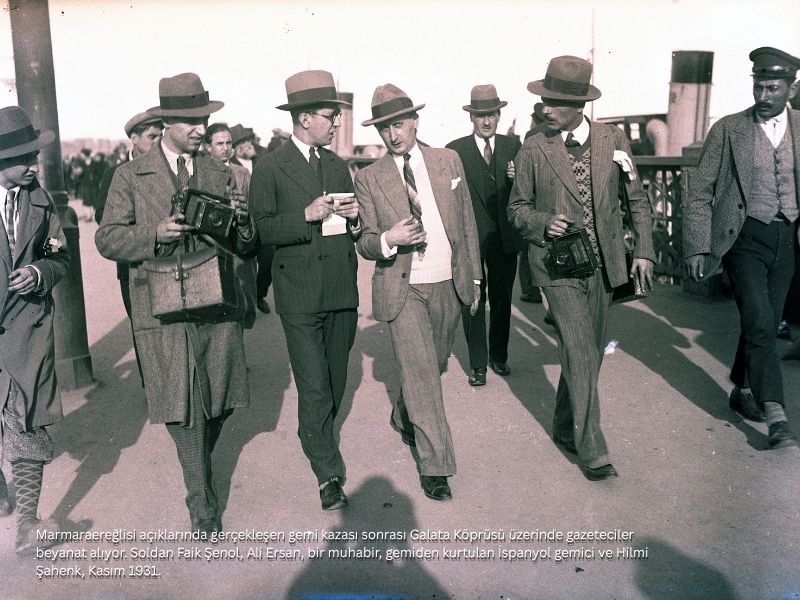
Designed by Pattu, the exhibition features a selection drawn from the first group of the Press Photographs Archive, comprising 12,586 glass negatives and 8,097 acetate negatives. A significant portion of this group is believed to have been created by journalist and photojournalist Namık Görgüç. Together with Benli Kemal, Görgüç established the photography department of the Cumhuriyet newspaper in 1924, the year the newspaper was founded. As he documented Istanbul step by step, he also contributed to the development of press photography in Turkey.
Following Görgüç’s death in 1947, the archive is known to have been preserved and expanded by photographer Selahattin Giz. The collection also includes photographs by other photographers of the period, including Cemal Göraland Faik Şenol. The fact that hundreds of images can be studied together today is largely due to Giz’s efforts to preserve negatives of varying quality over many years, including those that were difficult to read or identify.
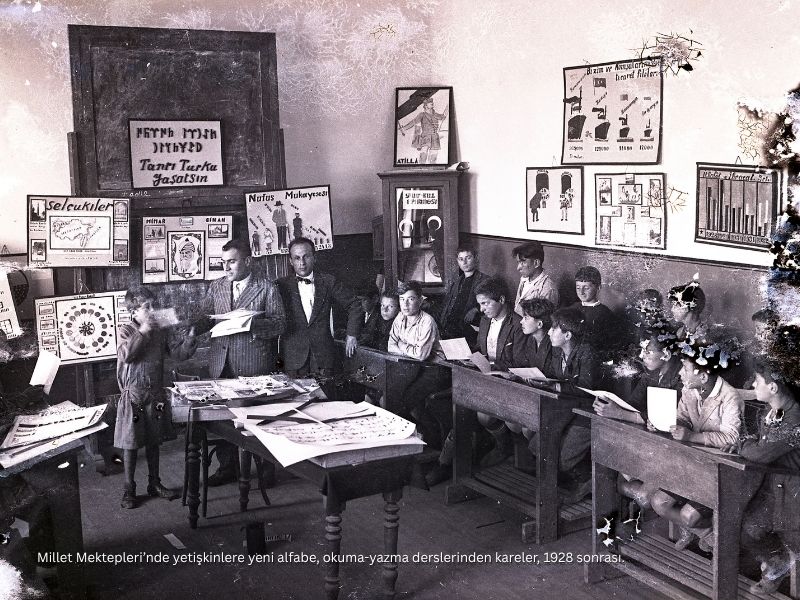
The sharing of negatives among photographers and the use of the same photographs in different publications reveal the professional culture of exchange that existed at the time. Bringing together different perspectives, this network of production gives the archive the character of a collective visual memory while highlighting the collaborative and supportive practices that shaped early photojournalism.
The archive, which contains 90,052 negatives dating approximately from the 1910s to the 1970s, the majority of them taken in Istanbul, was acquired by the Suna and İnan Kıraç Foundation in 2011. Conservation, rehousing, boxing, and digitization were completed in 2013, while cataloguing continues to evolve as new information emerges about the people, places, and events depicted in the photographs. Continuing the Istanbul Research Institute’s work of researching, preserving, and making accessible Istanbul’s multilayered memory, the exhibition brings the Institute’s 20 years of accumulated knowledge and experience to Pera Museum.
An Extensive Publication Accompanies the Exhibition
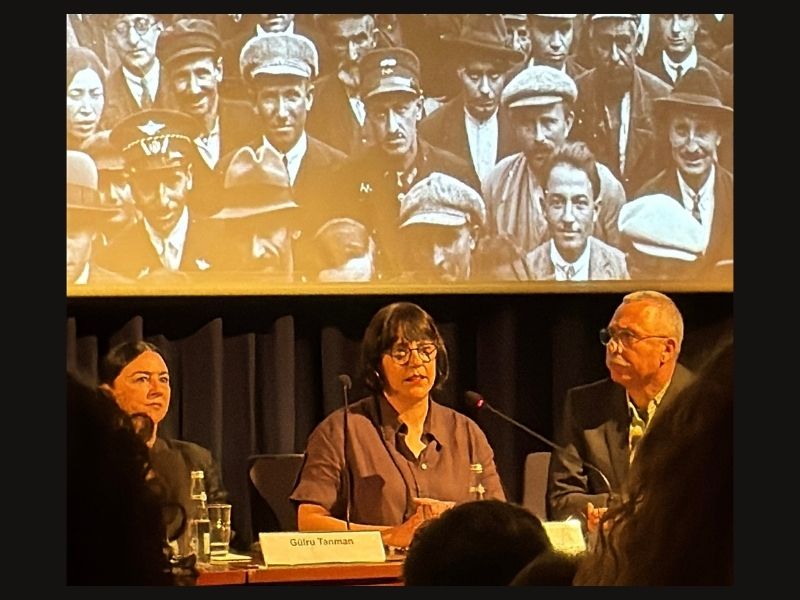
The accompanying catalogue examines the Press Photographs Archive through the perspectives of photographic history, press culture, archival studies, and visual memory. Bringing together contributions by Gülru Tanman, Kerim Suner, Mehmet Erken, Cengiz Kahraman, Geoffrey Batchen, Wolfgang Ernst, Ahmet A. Ersoy, Özge Baykan Calafato, İdil Çetin, and Sidar Bayram, the publication expands on the themes explored in the exhibition from a range of perspectives.
Behind the Camera of the Republic can be visited at Pera Museum from September 29, 2026 to March 28, 2027.
Pera Museum is open Tuesday through Saturday from 10:00 to 19:00 and on Sundays from 12:00 to 18:00. As part of “Long Friday,” all visitors can enter free of charge on Fridays between 18:00 and 22:00. On Wednesdays, all students can visit the museum free of charge as part of “Young Wednesday.”