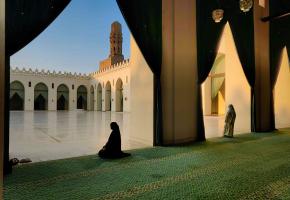




















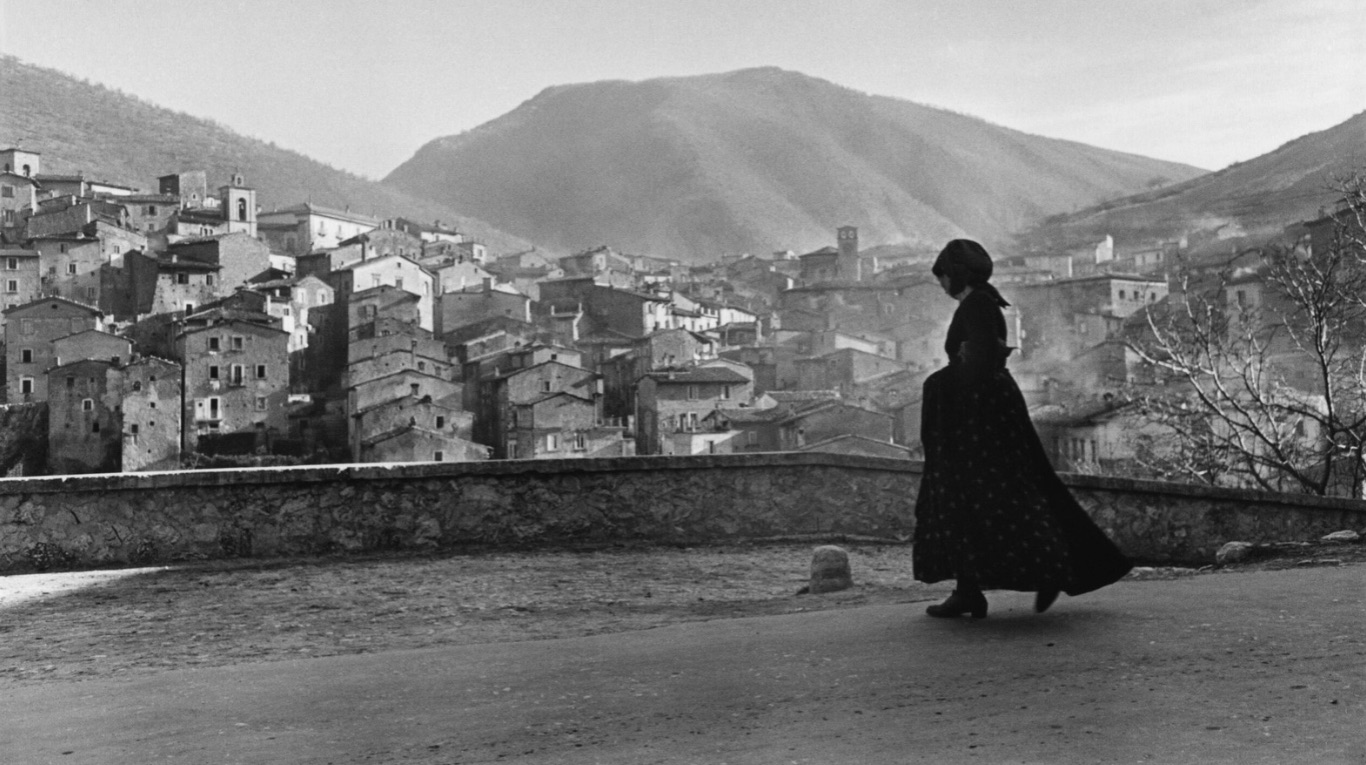
At first glance, the term “Negative Space” in photography may sound a little strange. However, it is one of the fundamental building blocks of every compelling photograph. By using negative space intentionally, you can create balanced, harmonious, and eye-catching compositions, transforming a minimalist approach into a powerful visual narrative. Positive space, on the other hand, refers to the main subject of a photograph, the elements that directly attract the viewer’s attention. Almost every successful photograph features a balanced combination of these two elements. In this article, we will explore the basic concepts of negative and positive space and examine practical tips on how to use them more effectively in landscape, portrait, street, and architectural photography.
Article: Yüksel ALTUN














What Is Negative Space?
The negative space in an image is everything other than the subject. It includes the foreground, background, and the areas surrounding the scene that provide visual breathing room. Take a look at the photograph of the mosque and birds against the misty sky: In photography, negative space often consists of large, simple surfaces such as water, sky, walls, or sand. When you look closely, you will notice that these elements share a common characteristic: they easily blend into the background and allow the main subject to stand out. An empty sky, a plain white wall, or an endless stretch of sand can all create powerful negative space, supporting the main subject rather than competing for the viewer’s attention.
What Is Positive Space?
Positive space refers to the main subject or visual elements in a photograph that directly attract the viewer’s attention. It is one of the fundamental components of almost every compelling photograph. However, like all elements of photographic composition, positive space gains meaning through its relationship with the other elements in the frame.
One of the most influential elements in this relationship is negative space. Positive and negative space shape one another; neither can fully achieve its impact without the other. In an image featuring a sharply defined object, the areas that remain out of focus and visually simple (negative space) help the object stand out more strongly. This creates a visual balance and contrast between the “filled” positive space and the seemingly “empty” negative space.

Comparing Positive Space and Negative Space
The interaction between positive and negative space has been used in art throughout history. Painters, sculptors, architects, and potters have all balanced positive and negative dynamics to create visual rest, rhythm, focus, activity, atmosphere, and more. For example, in traditional Japanese art styles, negative space is often used to emphasize or balance the expressive and spontaneous brushstrokes that form the positive subject.
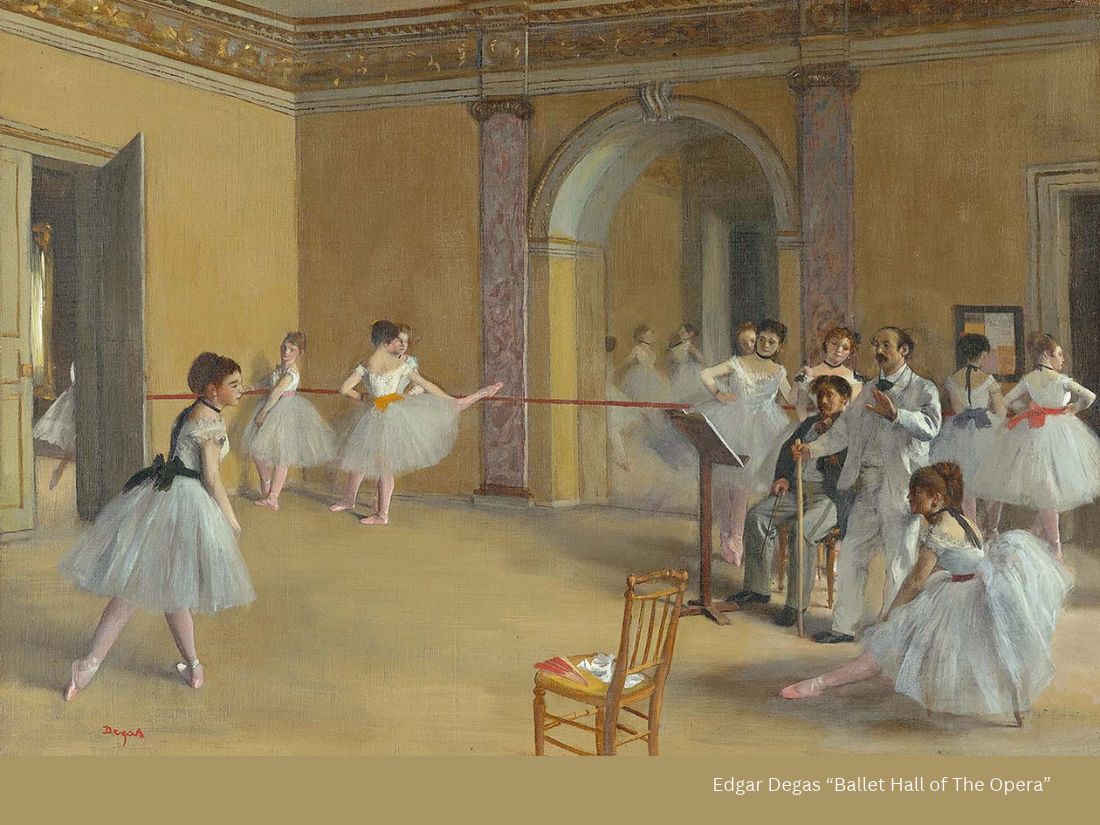
Another example is Edgar Degas and his careful use of negative space in scenes depicting ballet dancers.
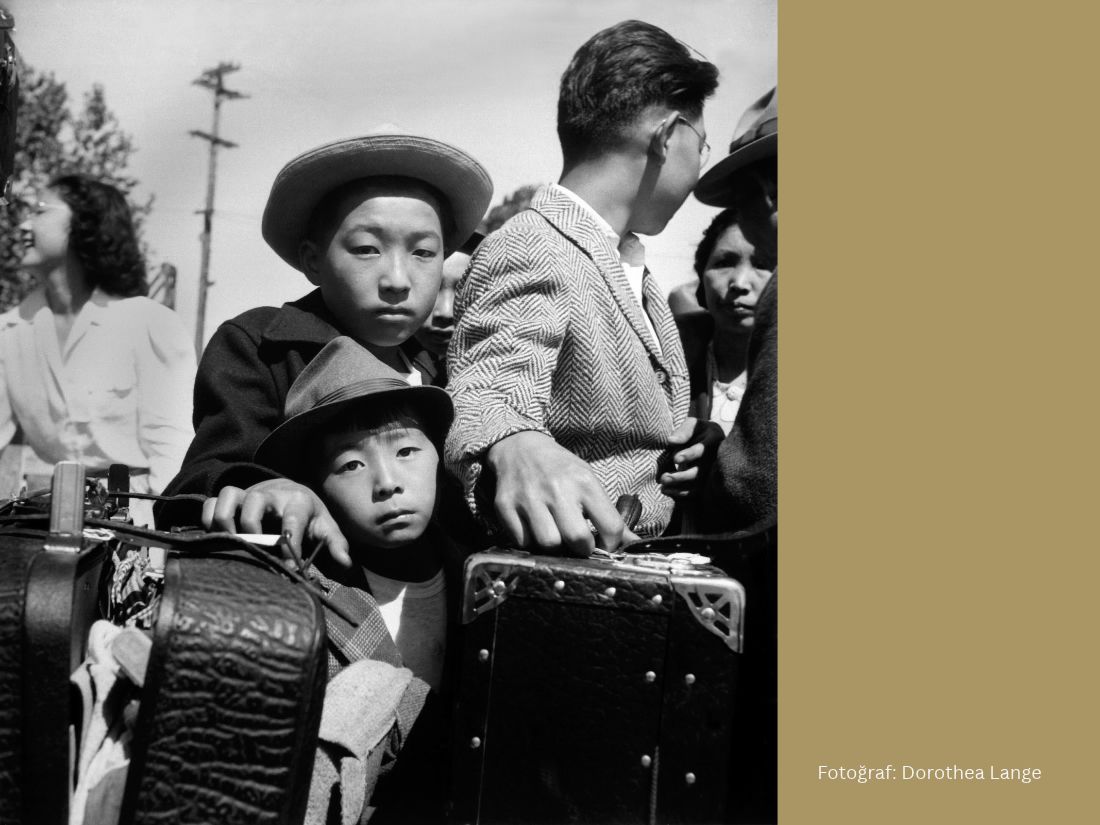
With the invention of photography, the artistic possibilities offered by positive and negative space also became an integral part of visual storytelling. From Anna Atkins, Henri Cartier-Bresson, Dorothea Lange, and Robert Frank to Diane Arbus, Hiroshi Sugimoto, Steve McCurry, and Didier Massard, many photographers have consciously used negative space to strengthen their primary (positive) focal points. Positive space is the opposite of negative space. While negative space tends to draw the eye away from the scene, positive space directly attracts attention. The area containing the main subject of a photograph, forming the center of visual interest and capturing the viewer’s attention first, is known as positive space.
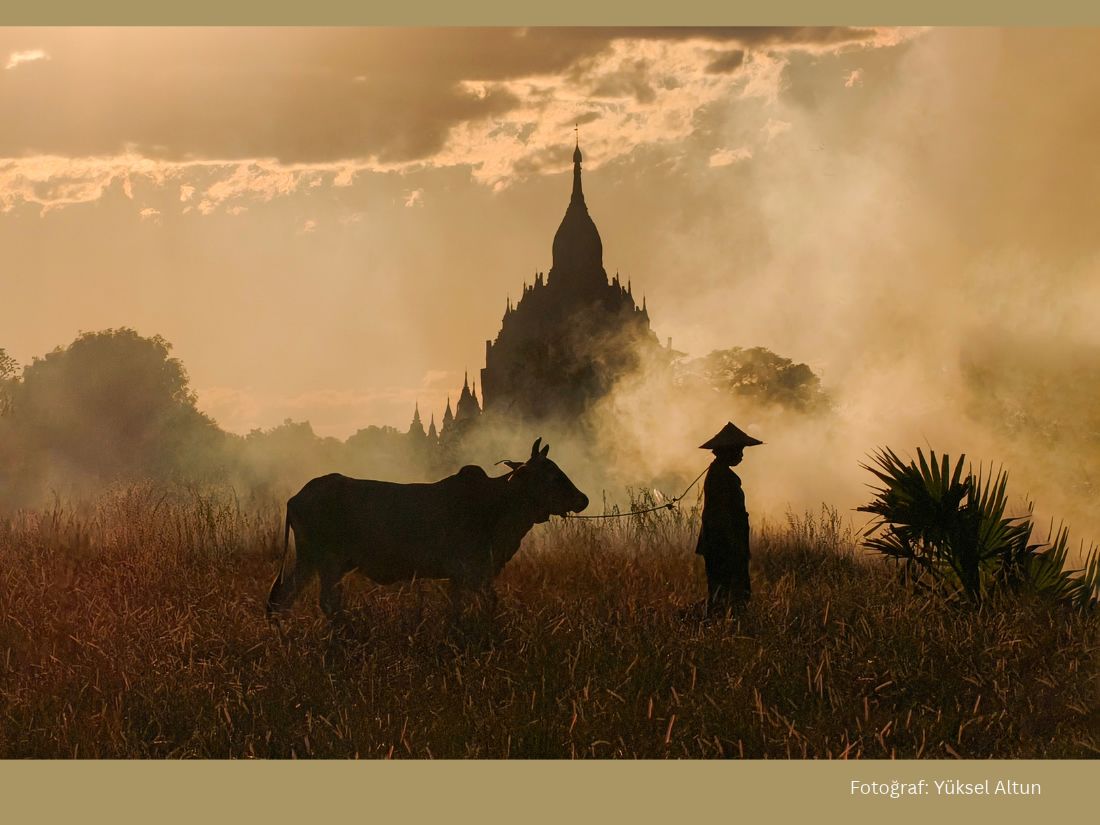
In the photograph above, the fisherman illuminated by light represents the positive space, while the fishing nets occupy a larger portion of the negative space. Positive space can be anything. Some common examples include faces, people, buildings, birds, wildlife, and mountains.
Is Positive Space or Negative Space Better?
Neither. It entirely depends on the visual message you want to convey. The real goal in photography is to create a strong composition by using these two elements in a balanced way. Using negative space intentionally is important, but an equally strong positive space is also necessary. When these two elements come together in the right proportions, they produce visually compelling photographs that guide the viewer’s attention.

ADVANCED TIPS AND TECHNIQUES FOR WORKING WITH POSITIVE SPACE
1- Apply Composition Techniques
Positive space is a fundamental part of photographic composition, but it does not exist on its own. To create strong photographs, it should be considered alongside other compositional techniques such as leading lines, depth of field, framing, symmetry, and perspective. Therefore, think consciously about positive space during your next shoot. Ask yourself how you can combine it with compositional principles to achieve the most effective results.
2- Consider Both Negative and Positive Space
The key to establishing a successful balance between positive and negative space is often awareness. While taking photographs, carefully examine the negative space surrounding your positive subject. Ask yourself whether it works in its current form or whether it needs to be adjusted.
It may also be helpful to create a quick checklist. Ask yourself the following questions: What does the negative space contribute? What does the positive space emphasize? Is the positive space making sufficient use of the negative space surrounding it? Briefly evaluating this balance while shooting will increase your chances of capturing a successful photograph.
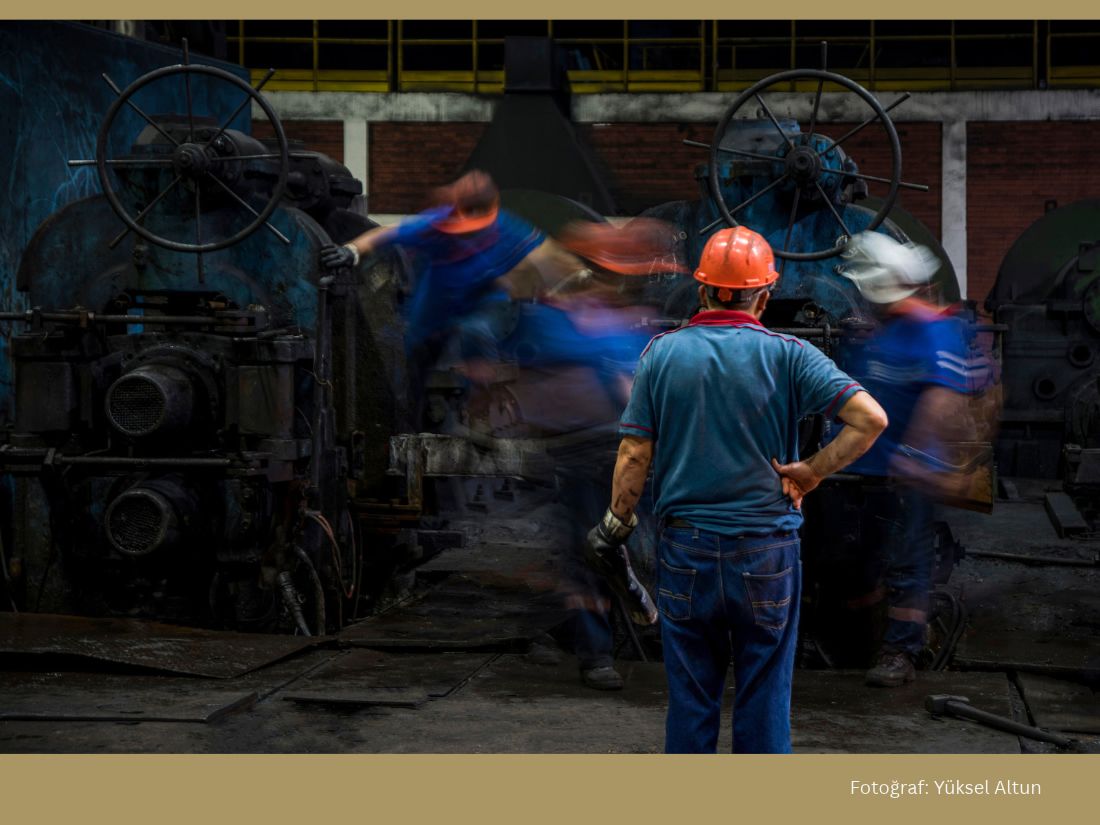
3- Use Your Camera Settings
Positive space may depend on naturally occurring negative space (such as the sky, shadows, and so on) or on negative space intentionally created through camera settings. For example, using a slow shutter speed in a dense urban environment can blur the flow of traffic, creating negative space. This allows you to achieve an abstract and fluid background that emphasizes the positive focal points.
Selective focusing can bring positive space forward while pushing other elements into the background. By experimenting with aperture settings, you can blur the background or foreground surrounding a positive subject. Zooming in or out, as well as cropping during post-processing, can also help you change the balance between positive and negative space. If you want to create more positive or negative space, you can deliberately shape it yourself. All you need is to use your camera settings correctly to achieve the desired effect.
4- Know What You Want to Communicate
Like all compositional tools, positive space can evoke emotions and tell stories. Determining your narrative in advance helps you use positive and negative space more consciously and consistently. For example, a small positive subject placed within a large area of negative space can create a sense of scale, loneliness, simplicity, grandeur, and distance. A thick, dark vignette of negative space can frame the positive subject and strengthen its impact. Images containing predominantly positive space, on the other hand, create an immediate sense of impact and energy. An equal distribution of positive and negative space creates a perception of harmony and balance.
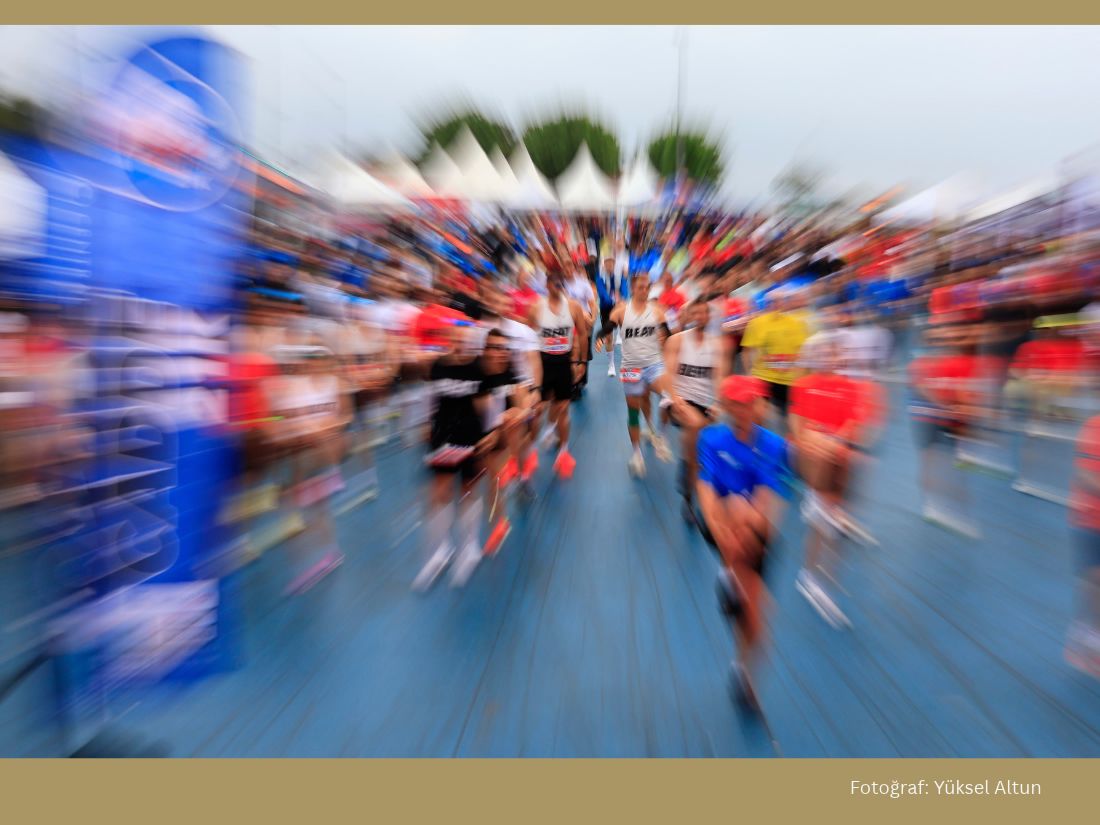
5- Experiment
Positive and negative space are influenced by an endless number of compositional variables. Experimenting with different techniques, subjects, and conditions expands the creative potential of positive space. Although the word “negative” may suggest “nothingness,” as we have seen, negative space is just as versatile and important as positive space. Therefore, experimenting with positive space by consciously shaping negative space is a matter of balance. Using both elements effectively will generally help you produce stronger photographs.
Positive space is a critical component of photographic composition. Although negative space is discussed more frequently, positive space is the driving force behind many photographic images. Working consciously with positive space allows you to establish a stronger connection with your subject and helps you create more effective compositions.
NEGATIVE SPACE AND MINIMALISM
Even when compositions are chaotic, cluttered, and overly complex, negative space is almost always present in a photograph. However, it is no coincidence that minimalism is often the first thing that comes to mind when we talk about negative space. In photography, minimalism deliberately emphasizes negative space to create a calming effect. These types of images offer viewers room to breathe and direct their attention straight toward the subject. This creates visual balance within a simplified frame while making the focal point more prominent.
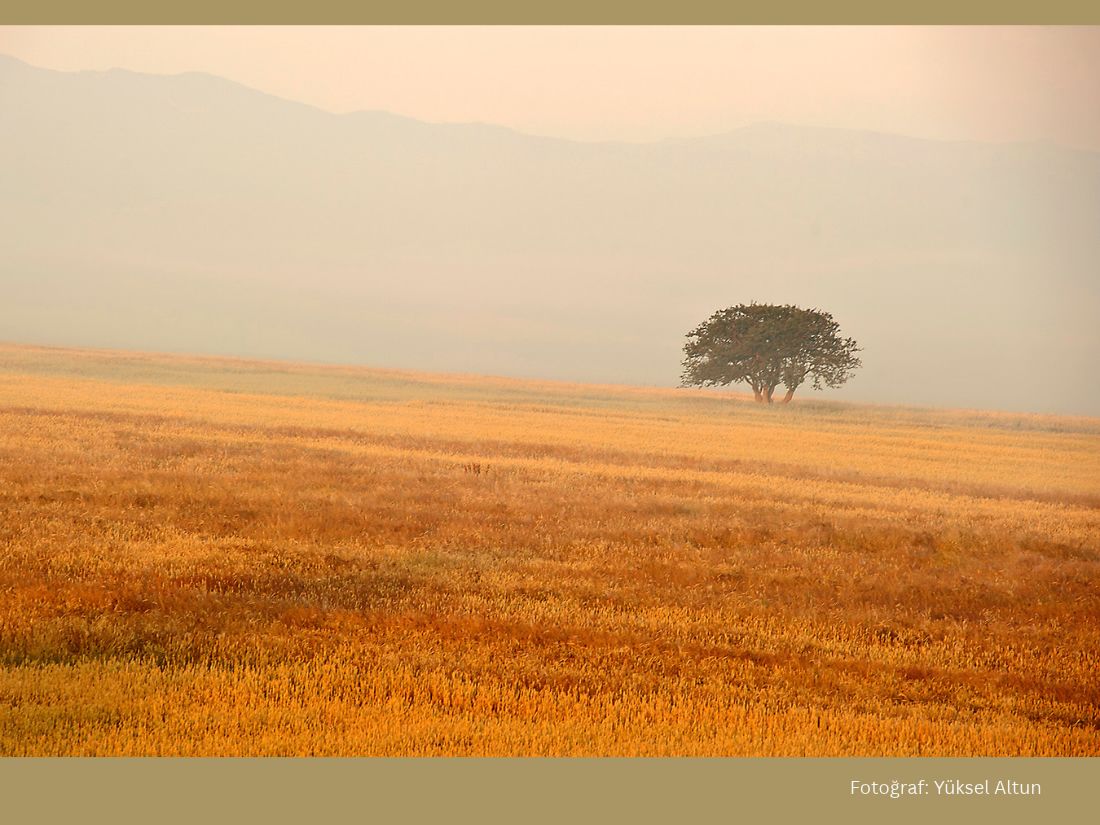 Imagine a single tree standing alone in a field or a solitary figure surrounded by empty space. These types of scenes can create powerful and eye-catching compositions. The main reason is the visual impact created by negative space. However, there is an important point to emphasize: Not every image containing negative space is minimalist. Minimalism uses negative space in a distinctive way, following a deliberate approach to simplification. This approach can produce striking results, but it is not the only option. You can also create powerful compositions by using a balanced combination of positive and negative space to achieve a different visual effect.
Best Genres for Negative Space Photography
Negative space is not exclusive to a single genre. In fact, you can apply this concept across various types of photography. Let’s take landscape photography, for example. Expansive skies, beaches, mountains, and deserts often provide plenty of opportunities to use negative space. This allows the main subject, such as a mountain or a tree, to truly stand out. Travel photography also makes use of empty spaces. Imagine a road stretching across an empty landscape or people standing or walking beside a lake. The results can be both meaningful and striking. Even certain types of street photography can look wonderful with plenty of empty space. A lone figure crossing a wide, open square can communicate a great deal about urban life and loneliness. On the other hand, portrait, event, documentary, and sports photography generally focus more on positive space. The goal here is to convey information about a person, environment, or story, and positive space usually communicates more detail.

Negative Space in Portrait Photography
Although negative space is often overlooked when discussing portrait photography, it is actually an essential aspect of good portraits. In portraits, negative space is the area surrounding the main subject of your photograph. In the example portrait, negative space is present in the dark area surrounding the model.
There is a famous quote attributed to photographer Robert Capa: “If your pictures aren't good enough, you're not close enough.” This is often good advice. Many portraits can be improved by physically moving closer to the subject or using a longer lens, allowing the model to dominate the frame. However, sometimes the surrounding environment can also contribute to the composition. Sometimes your subject needs room to breathe. This is where stepping back and including more empty space can help you create an interesting image.
There is nothing stopping you from taking a portrait by moving close to your model and then stepping back to include more of the surroundings and make use of negative space. This is known as “working the subject” and involves exploring photographic possibilities by changing focal length, shooting distance, and other factors.

Why Is Empty Space Important in Photographs of People?
Using empty space when photographing people can help emphasize their size. For example, when photographing a newborn baby, if you fill every frame with the baby, you may miss the opportunity to communicate just how small newborns are in relation to their surroundings.
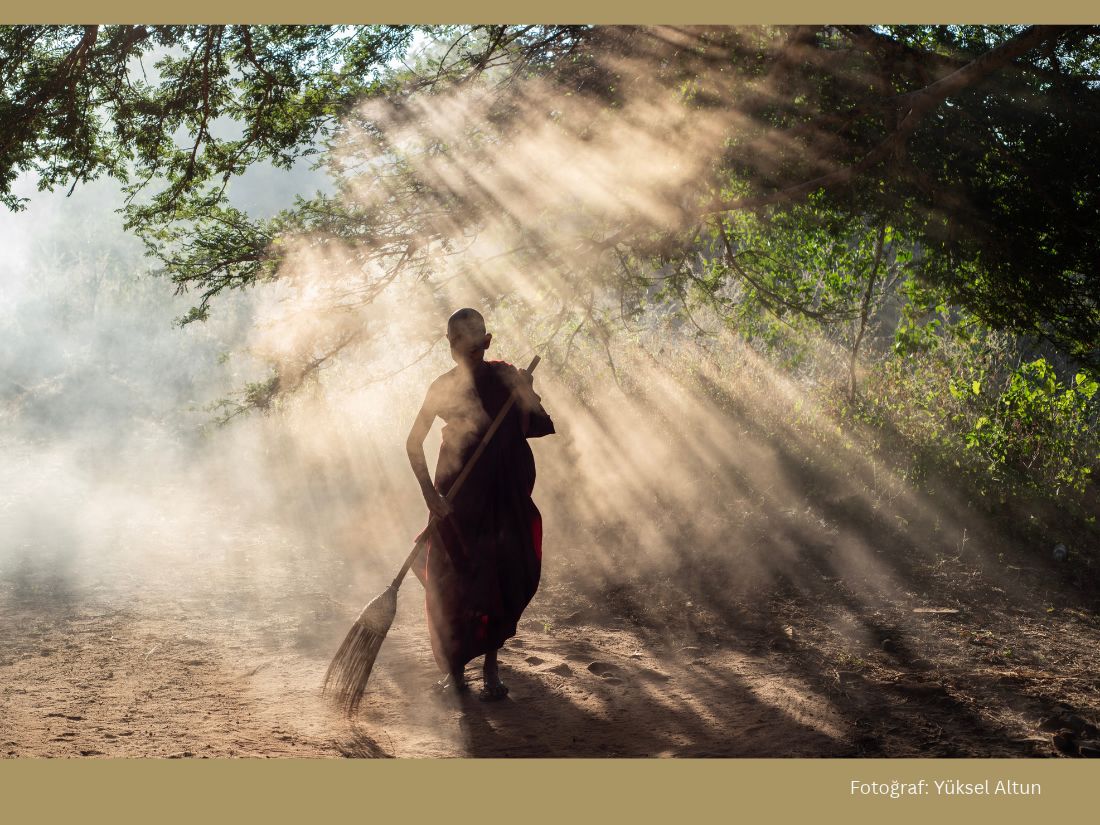
NEGATIVE SPACE PHOTOGRAPHY TIPS AND TRICKS
1- Let the Environment Determine Your Combination of Negative and Positive Space
The ratio of negative space to positive space varies from one scene to another. As a photographer, you can zoom in, change your perspective, and crop your images to emphasize certain parts of a scene. However, you also need to remain flexible. Just as you should embrace scenes filled with positive space, you should also learn to embrace scenes dominated by negative space.
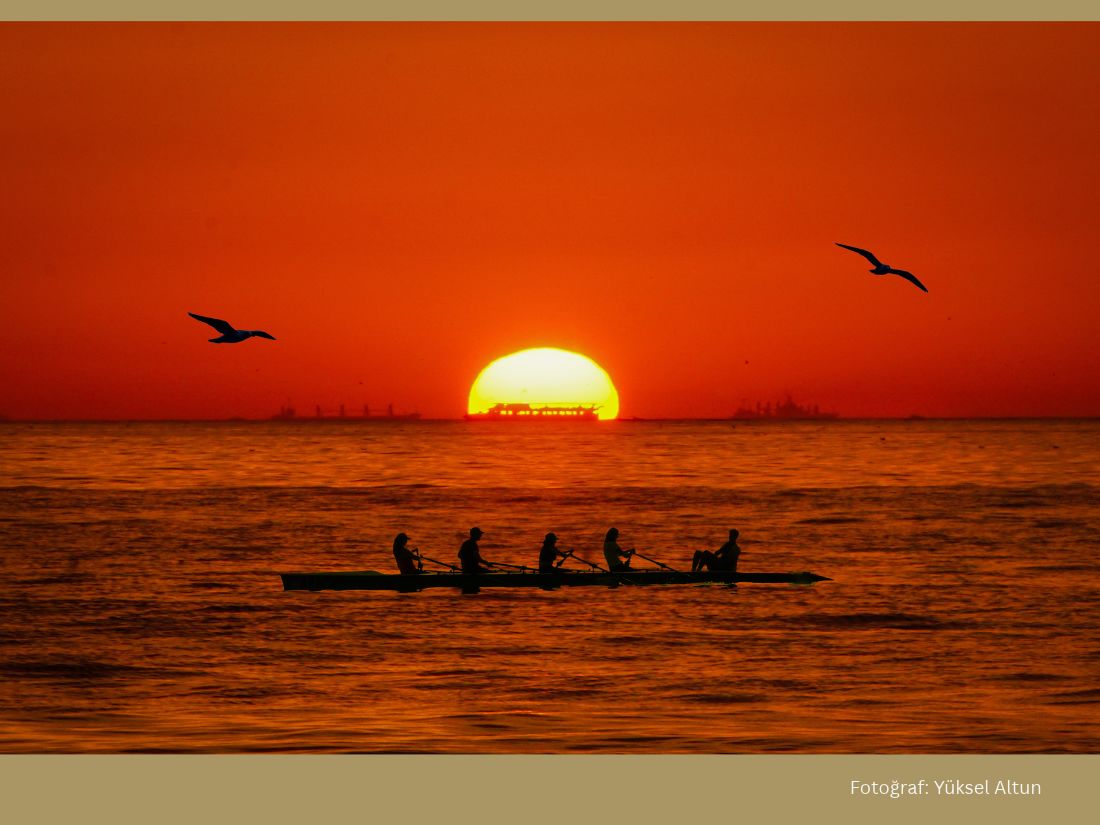
2- Use Negative Space to Balance Positive Space
One of the main goals of photographic composition is to achieve visual balance. One way to accomplish this is to identify your positive space and then balance it with negative space. It is also important to understand how a large amount of negative space can balance a small amount of positive space. Positive space is assertive and powerful. Negative space, on the other hand, is much calmer and even soothing. Therefore, unless you want an especially striking or intense image, positive space should be used in smaller doses. Some photographers follow the “2:1 negative space rule,” which suggests using two units of negative space for every unit of positive space. You can think of this as a guideline rather than a strict rule. Although I do not consider this ratio a rigid limitation in my own photography practice, I find it a useful reference to keep in mind when evaluating a composition.
- The 2:1 Negative Space Rule in Photography: This principle suggests that the empty space surrounding the main subject should be at least twice as large as the area occupied by the subject. This approach emphasizes minimalism, making the subject appear stronger, more prominent, and more focused.
- Ratio: For every unit occupied by the main subject in the frame, leave at least two units of surrounding empty space.
- Emotion: Large areas of negative space create feelings of loneliness, peace, and tranquility, emphasizing the subject's isolation and presence.
- Fill: Negative space does not have to be completely empty. It can be supported by neutral elements such as the sky, water, walls, or a blurred background (shallow depth of field).
- Focus: Excessive empty space directs the viewer's eye straight toward the relatively small main subject.
3- Experiment with Minimalism
As explained above, minimalist compositions use negative space to create a powerful impact. They are all about negative space: they use plenty of negative space, incorporate only a small amount of positive space, and create a striking result. If you enjoy the minimalist look, here are a few suggestions that I strongly recommend trying:
- First, choose a main subject, such as a tree, a person, or a building. This will be your positive space.
- Adjust your positive space, focal length, and camera angle until your main subject stands completely alone, surrounded only by negative space. A low perspective works wonderfully for this. Try crouching down to the ground and framing your subject against the sky.
- Use as few colors as possible. You want uniformity, so aim for a highly harmonious scene containing only one or two colors.
- Position your main subject toward the edge of the composition. You can try placing it at one of the points or along one of the grid lines according to the rule of thirds, or consider moving it even closer to the edge of the frame.
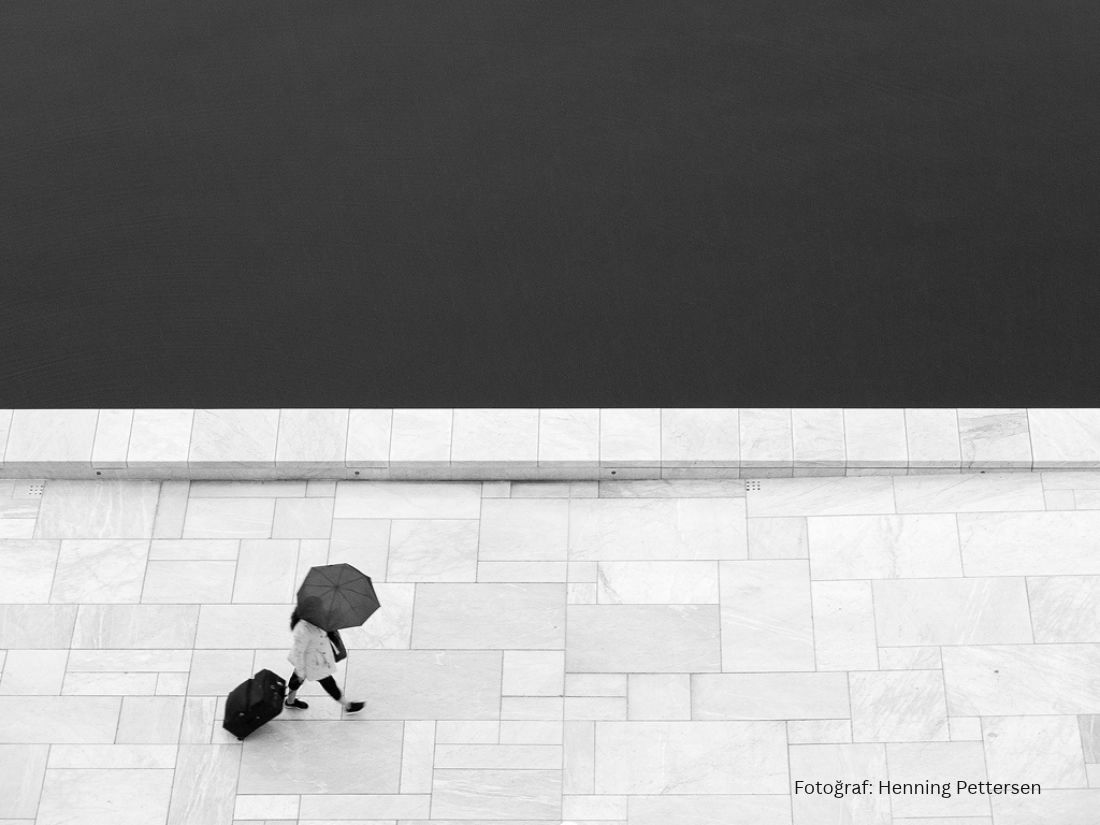
4- Use Negative Space to Communicate Emotions
Negative space tends to feel gloomy or even melancholic, especially in black-and-white images. Use this to your advantage. Tell a story through your composition: a story filled with sadness, loneliness, or quiet happiness. Of course, as I have emphasized before, you should let the scene guide you. However, you can add more empty space to your composition by zooming out or finding an unusually uncluttered background.
5- Look at the Sky
Sometimes, finding plenty of empty space in a scene can be difficult. However, if you feel that your composition lacks empty space, perhaps all you need to do is look up. The sky, which often has a relatively uniform appearance, provides a perfect background for negative space and can certainly help direct the viewer's attention toward your subject. In other words, the sky is neither distracting nor visually intrusive; it is simply there, and it can effectively balance the positive space in your compositions. How can you include more sky in your photograph? Try changing your angle. Get lower. Tilt your camera upward. Suddenly, the sky becomes an important part of your composition, transforming an ordinary photograph into something much more interesting. This technique can turn a crowded and cluttered street scene into a calm and peaceful image, or make a flower in a field appear more profound and meaningful.

6- Try Converting Your Images to Black and White
Did you know that black-and-white tones can transform your photographs? A black-and-white conversion can turn what is perceived as positive space into negative space. When working with color, different areas contain various tones, which often make those areas appear as positive space. However, when you remove these colors, you may suddenly find yourself with nearly identical shades of gray and plenty of negative space. In other words, converting a photograph to black and white eliminates distracting colors. Of course, this technique does not always work; it depends on the tones within the photograph. But when it does work, the results can be breathtaking. Minimalist black-and-white images containing plenty of empty space have a timeless appeal that is hard to resist.
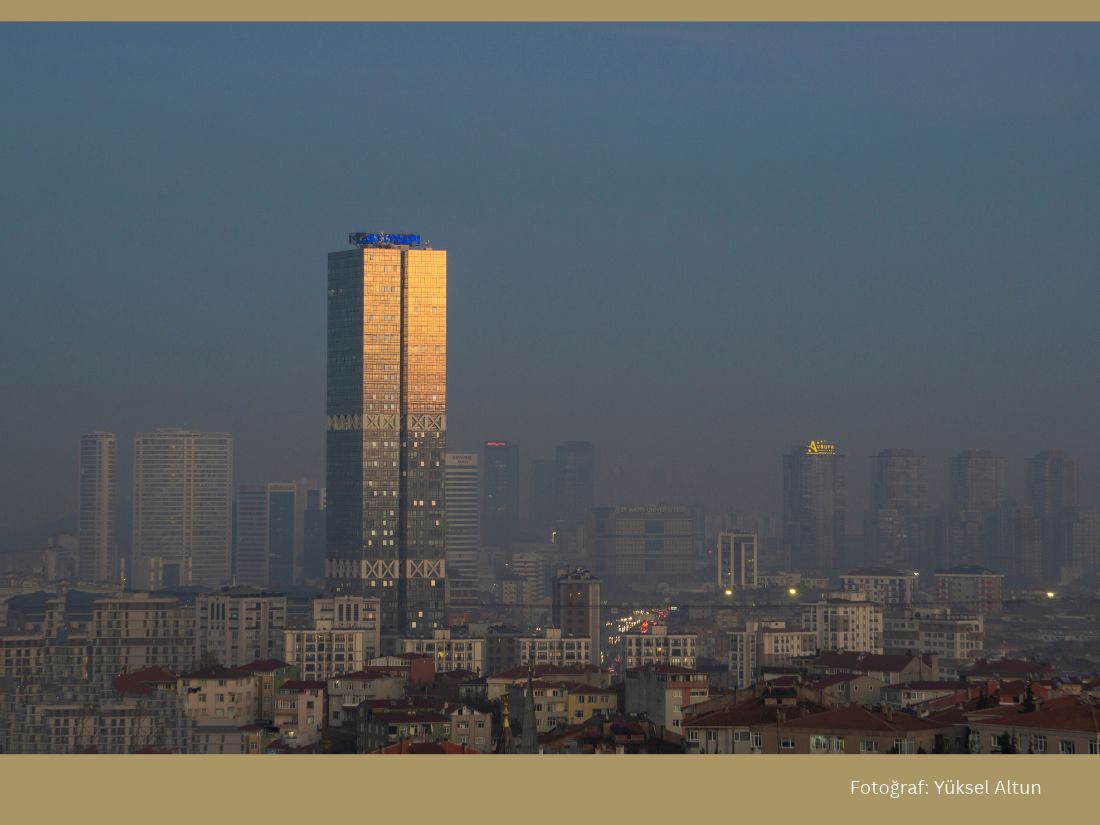
7- Eliminate Distractions
Imagine capturing a perfect landscape, only to notice an unwanted object in the background later. Distractions can ruin a composition. They draw attention away from the subject and make the image more complicated, causing the viewer's eye to become confused and wander around the frame. This can be particularly challenging in negative space photography. Before pressing the shutter, take a moment to scan the entire frame. Check whether anything unnecessary is present and adjust your composition accordingly. This may mean changing your angle, repositioning your camera, or waiting for the right moment. By keeping your frame free of distractions, you will be more likely to achieve perfect harmony between positive and negative space.
8- Go Wide-Angle
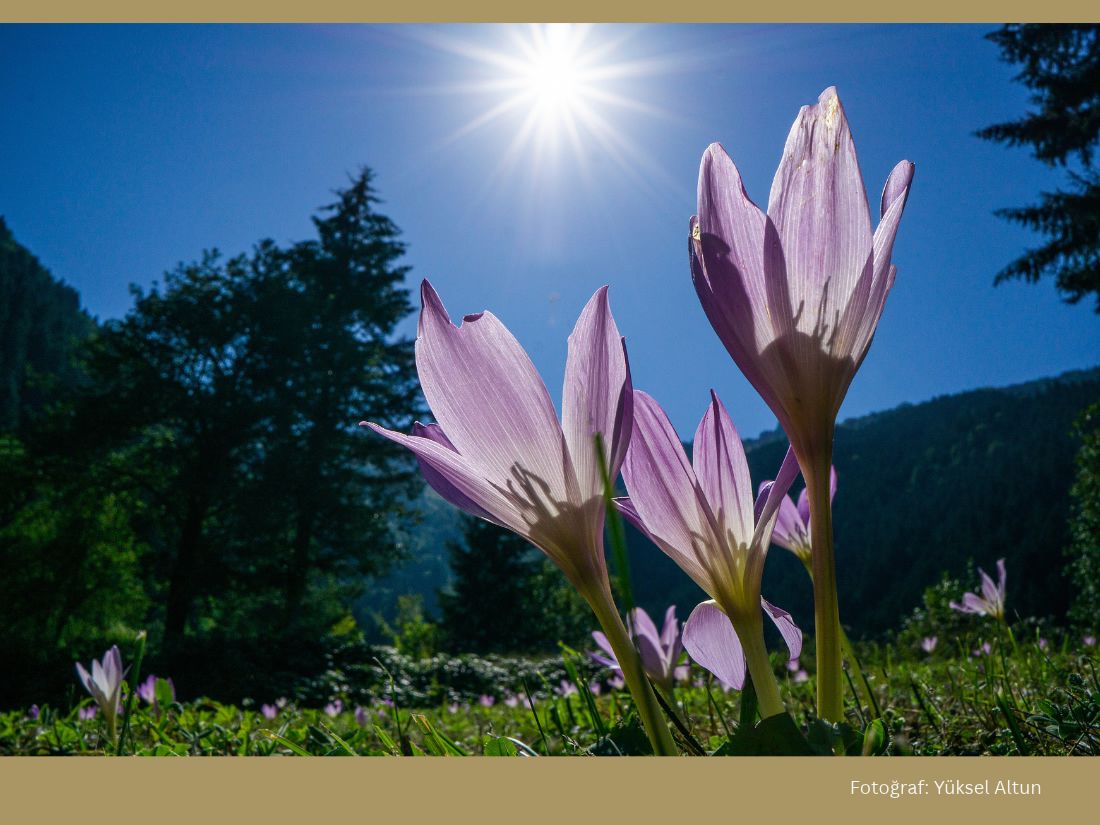
Have you ever felt limited by your lens? Wide-angle lenses open up an entirely new world of possibilities. By expanding your field of view, they allow you to include impressive backgrounds filled with empty space. Imagine a crocus blooming in a sunlit highland, surrounded by a seemingly endless sky. A wide-angle perspective can capture exactly this feeling. But what if you don't have a wide-angle lens? Don't worry; you can still achieve a similar effect. Simply taking a few steps back, trying a different perspective, and finding the right framing is often enough. It may take some trial and error, but with patience, you can find the perfect position. Whether you use a wide-angle lens or not, making extensive use of negative space can add both simplicity and grandeur to your photographs. It can also create a stronger emphasis on the subject and establish an impressive sense of scale.

NEGATIVE AND POSITIVE SPACE IN STREET PHOTOGRAPHY
In street photography, negative space refers to the empty areas or areas free of distracting details surrounding your main subject. This technique gives the viewer's eye room to rest, strengthens the presence of your subject, and allows you to tell minimal yet powerful stories.
How Can You Create Negative Space in Street Photography?
- Wide Framing: You can make your subject appear smaller by allowing the sky, an empty road, or a large, plain wall to occupy a significant portion of the frame.
- Sense of Scale: By placing a single person or object at the edge or in the corner of a vast architectural structure or large empty space, you can create a sense of loneliness or emphasize scale.
- Creating Empty Space: Particularly in busy street scenes, leaving empty space in the direction a walking person is looking or moving toward helps create an open composition.
Why Should You Use It?
- Visual Contrast: In a complex urban environment, it creates a powerful contrast of simplicity between the subject and the surrounding empty space.
- Directing Attention: Negative space guides the viewer's eye directly toward the main subject, reducing distractions and making the focal point more prominent.
Photography is a world full of endless possibilities. Positive and negative space are among the most powerful tools in your creative arsenal. We have now explored what negative space is and how it supports positive space through photographic examples. Positive and negative space are not limited to minimalist photography. They are ways to guide the viewer's attention, create harmony, and even tell deeper stories through your images. Whether you are capturing breathtaking landscapes, compelling street scenes, or intimate portraits, negative space is a subtle yet powerful compositional element that becomes increasingly valuable the more you explore it.