



















Text and Photos: Bülent ŞELLİ
Bali Island, where nature, people and architecture are in magnificent harmony, is a paradise for photography enthusiasts.













It is a cultural monument rising from the tropical climate with its magnificent nature, warm-blooded and sincere people, temple architecture and rituals. It is like a studio prepared for you to take many types of photographs, especially landscapes, portraits and architecture.
General Information About Bali
Bali, located 8 degrees south of the Equator in the Southern Hemisphere, is an island and administrative unit in Indonesia with a surface area of 5780 square kilometers. Its capital is Denpasar. Located between the Bali Sea and the Indian Ocean, Bali is located in the westernmost part of the Lesser Sunda Islands. Located in Bali, which has a volcanic structure, Agung is one of the most famous volcanoes of the island that is still active. Apart from this, Batur Volcano, located in the Kintamani region, is the most visited volcanic area by tourists. The south and west coasts of the island are plain, while the north and east are volcanic areas. The island has a tropical climate and has two seasons: dry and wet. The dry season is the period between April and September when rainfall is less than the wet season. The temperature is stable throughout the year, averaging 28 degrees, generally between 24-32 degrees.
Brief Historical Details
Although the majority of the population of Bali, which is intertwined with East Java, was made up of immigrants from Bali, it remained outside the sphere of influence of the Sirivicaya Empire, which dominated a large part of Indonesia from the 7th century to the 13th century. King Airlangga, who ruled East Java around 1000 BC, captured Bali. In the late 13th century, Bali came under the rule of the Macapahit Empire. When Muslims destroyed the Macapahit Empire in the early 16th century, Javanese, the majority of whom were Muslims, especially clergy, scholars and artists, migrated to Bali and made it a center of art, culture and religion. In the late 17th century, Bali was divided into 9 independent principalities. Of these, the Prince of Surakarta transferred his rights to the Dutch. Bali remained an island freely visited by Europeans until 1840. The Netherlands, which wanted to seize the island at that time and encountered fierce resistance, was able to take Bali under its definitive sovereignty only in 1908. During the Second World War, the Japanese occupied Bali Island and used it as a base for an attack on Java Island. After the war, the Dutch took back the island. Bali was connected to Indonesia. In the new regulation made in 1950, it became one of the administrative units of Indonesia.
Population and Living
The population of Bali is 4.2 million. It has the largest Hindu minority in Indonesia. Approximately 85 percent of the population is Hindu, while the rest is predominantly Muslim, Christian and other religions. In addition to the Indonesian language, the Balinese local language is also actively spoken on the island. They have a unique religious culture combined with the ancient culture of Bali. Religion is integrated with life. Rituals and ceremonies continue uninterrupted.
Revenue Sources
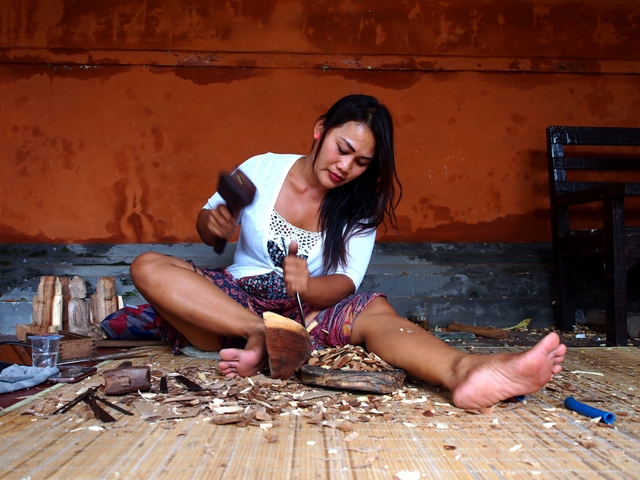
Bali's important income sources can be counted as tourism and rice production. Rice covers the majority of cultivated areas. Corn, tuberous plants, peanuts and cotton are also planted. In addition to fruit growing, commercial plants such as coconut, coffee, tea, cocoa and tobacco are also grown. Food production on the island, where cattle and pigs are also raised, is at a level that meets the needs of the people. Handicrafts developed in small settlement centres.
Why Go to Bali?
In Bali, which is visited by an average of 5 million tourists every year, you can find different options that appeal to everyone, such as cultural tours, honeymoon tourism, gastronomy, entertainment life, meditation, rafting, trekking, cross-country cycling, surfing and diving. Turkish citizens can stay on the island for a month without obtaining a visa and paying an entrance fee. Bali is divided into five parts: northern, southern, eastern, western and central. Popular destinations Kuta, Seminyak, Denpasar, Sanur, Nusa Dua, Jimbaran, Ubud, Monkey Forest, Bedugul, Twin Lakes, Kintamani and the famous Rice Terraces are generally located in the southern and central part. A significant part of many famous temples and ruins such as Ulun Danu Bratan, Tanah Lot, Batu Bolong, Uluwatu are also located in these regions. Massage is integrated with the island culture. You can enjoy massage therapy at affordable prices in many salons. Bali's unique music and dances are also a must-see. There are also many alternatives when it comes to food. In addition to Indonesian cuisine, world cuisines and fast food chains are among the options you can easily find in Bali.
You will find more than what you are looking for in terms of photography in Bali, which has a rich life and culture. After supporting your photography system with summer clothes and good walking shoes, all that's left is to press the shutter button...