
















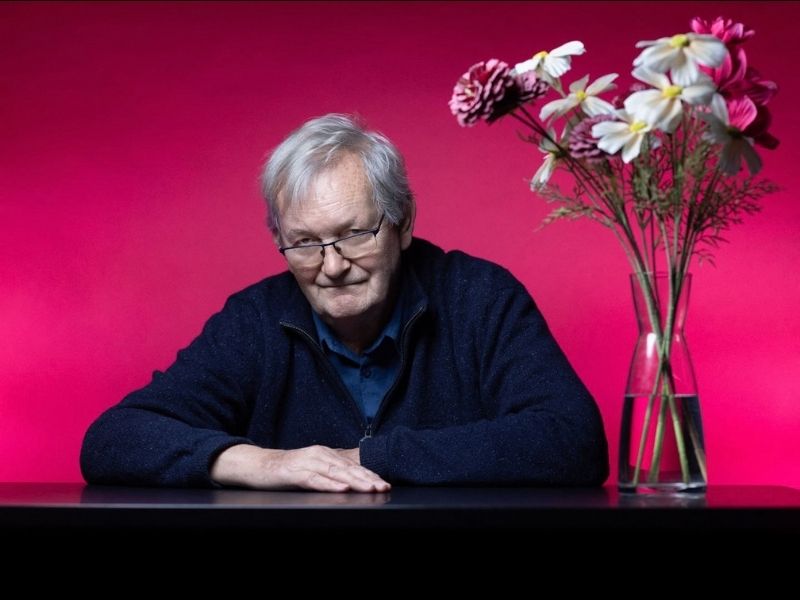
Martin Parr, who boldly broke the black-and-white conventions of documentary photography with vivid colors, harsh flashes, and subtle irony, transformed even the most ordinary moments of everyday life into a social narrative. Through his photographs, ranging from the working class and consumer culture to tourism and the contradictions of modern life, Parr redefined the visual language of contemporary photography and left behind not only his photographs but also a new way of seeing.
Written by: Şahinder ÖNDER FİŞENK
Childhood Years and First Encounter with Photography
Martin Parr was born on 23 May 1952, in the town of Epsom in Surrey, a safe and prosperous area of England. His father, Donald, a civil servant, and his mother, Joyce, were literally obsessed birdwatchers. Instead of sunbathing at the seaside, the Parr family's holidays usually consisted of catching migratory birds with nets, putting rings on their legs, collecting data, and cataloguing them.
The most important figure in Martin Parr's childhood was his grandfather, George Parr, who lived near Leeds. A retired printer, George was a passionate and award-winning amateur photographer as well as a member of the Royal Photographic Society.
Young Martin loved leaving the dull southern suburbs during his summer holidays and traveling north to Yorkshire, where his grandfather not only lent him his first camera but also taught him how to develop film, printing techniques, and how to look at the world through a viewfinder. These trips sparked Parr's lifelong commitment to “Northern England and working-class culture.” The foundations of the working-class photographs that would later launch his career were laid during these holidays.
Martin Parr took his first serious photograph at the age of 11. It was a black-and-white photograph of his father, Donald Parr, standing on a frozen stream. When young Martin was 13 or 14, he realized that he was not particularly successful at school and decided to devote his life entirely to photography. After growing up in the sheltered southern suburbs, he left his family home in 1970 and went to Manchester to study photography, entering a more dynamic, multicultural environment at the heart of the working class. Thus began a journey that would also change the history of modern photography.
Education and the Early Black-and-White Period
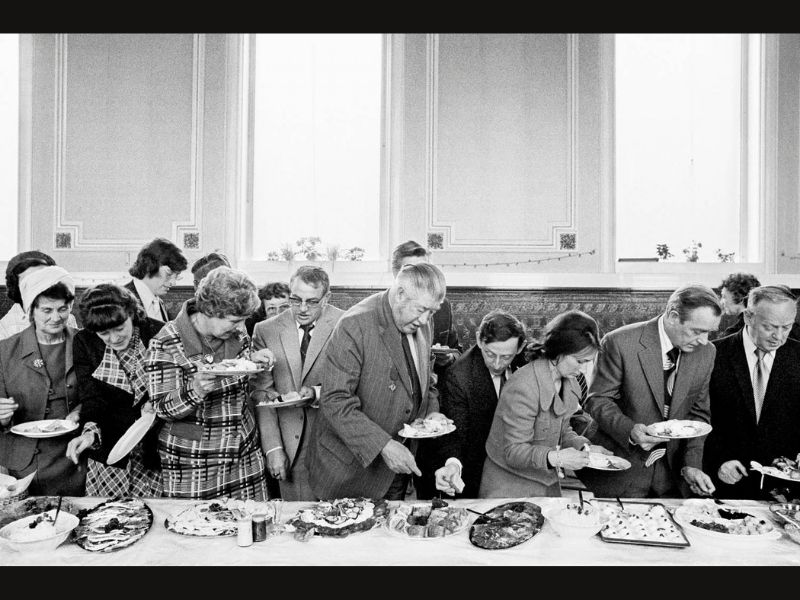
Between 1970 and 1973, Parr studied photography at Manchester Polytechnic, where he studied alongside other innovative figures of the period, such as Daniel Meadows and Brian Griffin. After graduating, he began working in the traditional black-and-white documentary style. He photographed rural communities, the working class, and traditional ways of life in England and Ireland.
In 1975, he moved to Hebden Bridge in West Yorkshire, where he produced his first mature works. He joined the Albert Street Art Workshop, an arts center that included a darkroom and exhibition space. Parr photographed rural life in the region for five years. At the time, he focused on nonconformist Methodist and Baptist chapels that were popular among isolated farming communities. He photographed in black and white because it suited the nostalgic nature of the subject. Moreover, at the time, photographers were expected to work in black and white if they wanted to be taken seriously. He exhibited these works under the title The Non-Conformists, a series that attracted considerable attention. He married Susan Mitchell in 1980. The couple then moved to Ireland's west coast because of Susan's work. Parr continued producing black-and-white photographs there, using a Leica M3 with a 35mm lens.
The Color of Photography
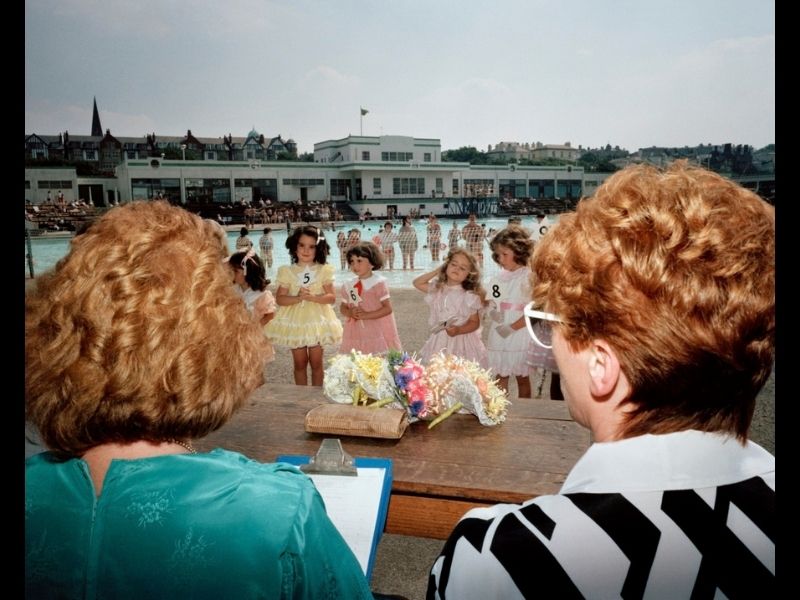
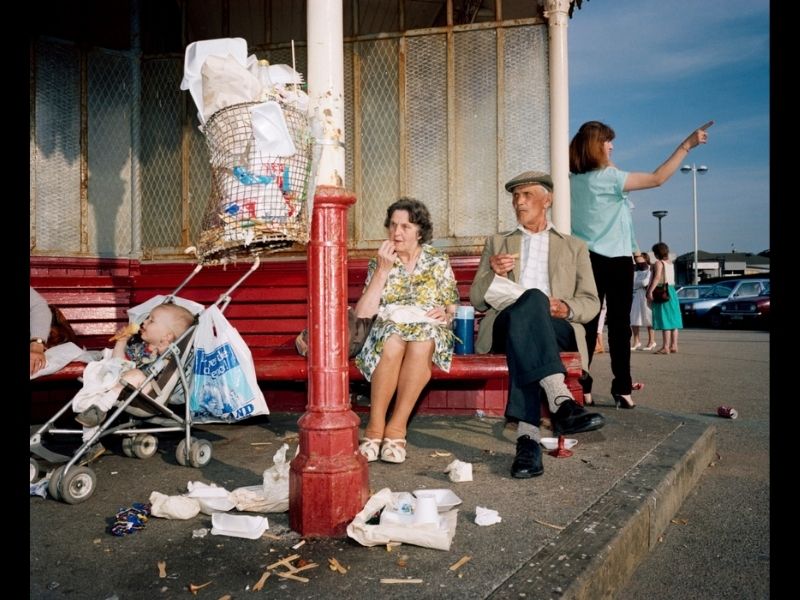
In 1982, Parr and his wife moved to Wallasey, England. Taking a major risk, Parr brought color film—at the time used only in advertising and considered “non-artistic”—into documentary photography. His first project was The Last Resort, a series about the working class spending their holidays in the seaside town of New Brighton, near Liverpool. In the series, he used flash in the middle of the day to photograph people sunbathing among garbage, crying children, and industrial debris. The work became a harsh but realistic mirror held up to British society and sparked considerable controversy in the documentary photography world.
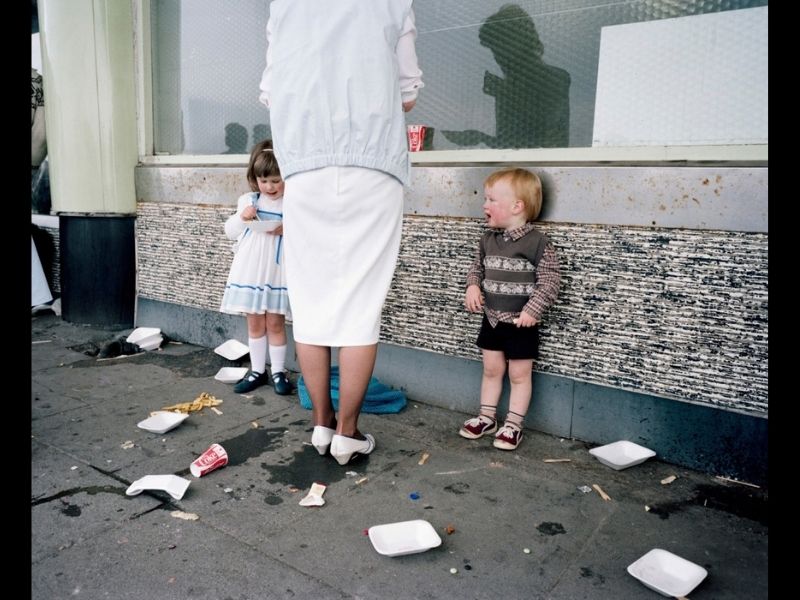
In 1985, he photographed people in supermarkets in Salford for the Documentary Photography Archive in Manchester. After moving to Bristol in 1987, the Parr couple lived there until Martin's death in 2025.
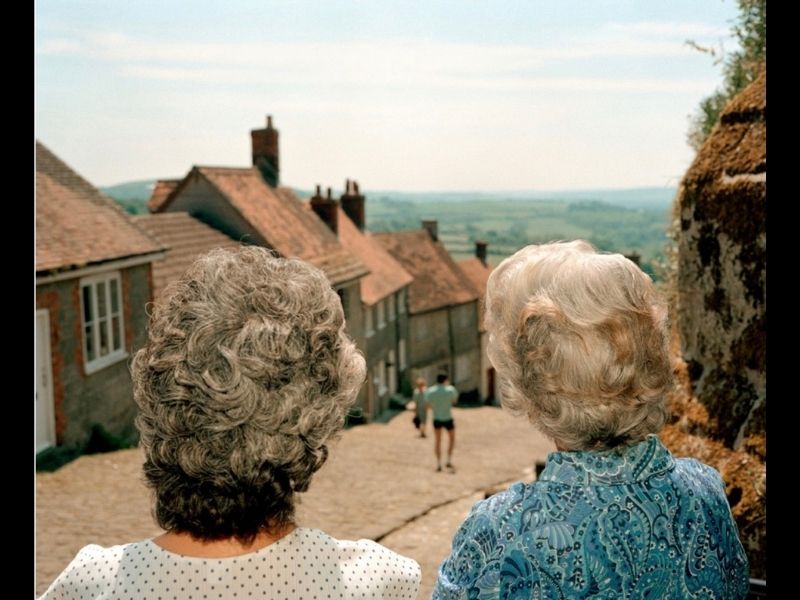
In The Cost of Living, a series completed between 1987 and 1988, Parr satirized the rising middle class in Thatcher-era Britain and its new identity shaped by shopping, home decoration, and social activities.
Later Years
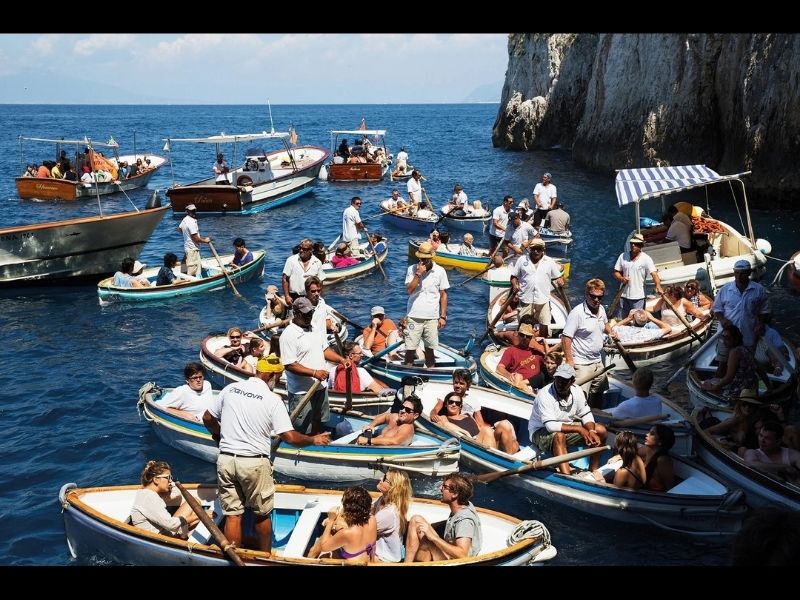
Parr traveled internationally until 1994 to create his next major series, which was a critique of mass tourism. This work was published in 1995 under the title Small World. In the series, Parr strikingly demonstrated how global tourism was making the world increasingly uniform.
When the photographer sought membership in Magnum, one of the world's most prestigious photographic agencies, in 1994, a major crisis erupted within the agency. Traditionalists such as Henri Cartier-Bresson argued that Parr's style mocked people, lacked aesthetic qualities, and did not fit the agency's humanitarian values. However, following heated debates, Parr was accepted as a full member.
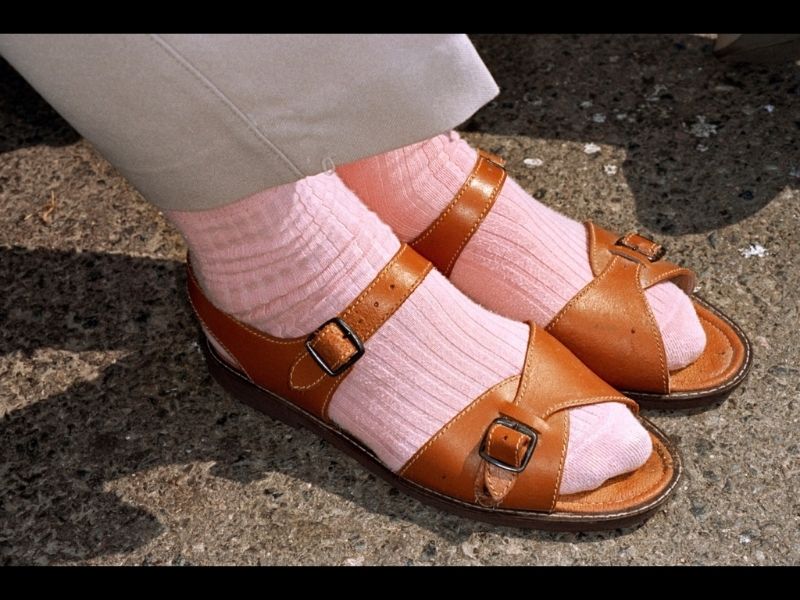
Between 1995 and 1999, Parr produced the Common Sense series on global consumerism. The close-up photographs, taken in highly saturated colors, aimed to reveal the madness of consumer culture.
Curatorship, Publishing, and Foundation Years
Throughout his career, Martin Parr did more than take photographs; he also became one of the world's largest collectors of photobooks. For example, The History of the Photobook, the three-volume work he co-authored with Gerry Badger, became an essential reference in the field of photography.
Between 2013 and 2017, he served as president of Magnum Photos, the very organization that had once opposed his membership. In 2014, he founded the Martin Parr Foundation, which opened to visitors in Bristol in 2017. It became a major center dedicated to preserving the archives of British and Irish photographers and supporting emerging talent.
Having spent his entire life contributing to many fields of photography, Parr was diagnosed with myeloma in May 2021. Leaving behind more than 100 books, countless exhibitions, and a legacy that transformed the direction of documentary photography, the artist passed away in December 2025 at the age of 73.
His Photography
Parr's upbringing and his parents' habits played a direct role in shaping his photographic language. He attributed the detached, objective, obsessive attention to detail and urge to collect data that he used when studying human communities entirely to the birdwatching camps he attended with his parents as a child. He observed people in their natural habitats just as his parents had observed birds.
Martin Parr's photography revolutionized the medium not only through its sociological perspective but also through his distinctive technical choices, which broke the rules of traditional documentary photography.
Parr's most recognizable signature is his use of a powerful flash even under bright sunlight. This technique eliminates all natural shadows in the photograph. By separating objects and people from the background, it makes them appear raw, sharp, and artificial, almost like products on a supermarket shelf. It exposes the artificiality and tackiness of the subjects he over-illuminates. Anything “kitsch”—cheap or simplistic—can become his subject.
From the mid-1980s onward, Parr abandoned black and white entirely. He also distinguished himself from the respected photographers of the period through his choice of colors. He used highly saturated vivid films such as Agfa Ultra or Kodak Ektar, which were favored by amateurs and holidaymakers at the time because they exaggerated colors. When he transitioned to the digital era, he maintained this high-contrast, bright, and raw color palette.
Rather than taking wide-angle street photographs, Parr moved physically or optically very close to his subjects and often used macro lenses. Instead of photographing an entire person's face, he might focus only on a nose covered in sunscreen, a hot dog on a plate, artificial nails, or a tacky shoe. His photographs tell the whole through a fragment. Details reveal the social class and culture to which a person belongs in all their starkness.
You will not find dramatic low angles, artistic high angles, or hazy atmospheres in his photographs. The camera is generally positioned at eye level, offering a straightforward and non-aestheticized perspective. Rather than giving the photographs an artistic atmosphere, this approach makes them appear almost like “medical or anthropological evidence”—cold and objective.
Parr began his career with medium-format cameras and was one of the documentary photographers to adapt to digital technology early on. In his later years, he used Sony full-frame mirrorless cameras and high-quality zoom lenses integrated with specialized flash systems. This transition to digital further increased his speed in capturing moments and the sharpness of detail.
His technique—sharpness, bursts of flash, and bright colors—is so intense and artificial that the photographs initially appear to have been carefully staged in an advertising studio. Yet Parr never staged his photographs; he captured completely spontaneous moments. In his photography, light and color are more than technical choices; they are the primary carriers of his message, irony, and social criticism.
Martin Parr in Istanbul
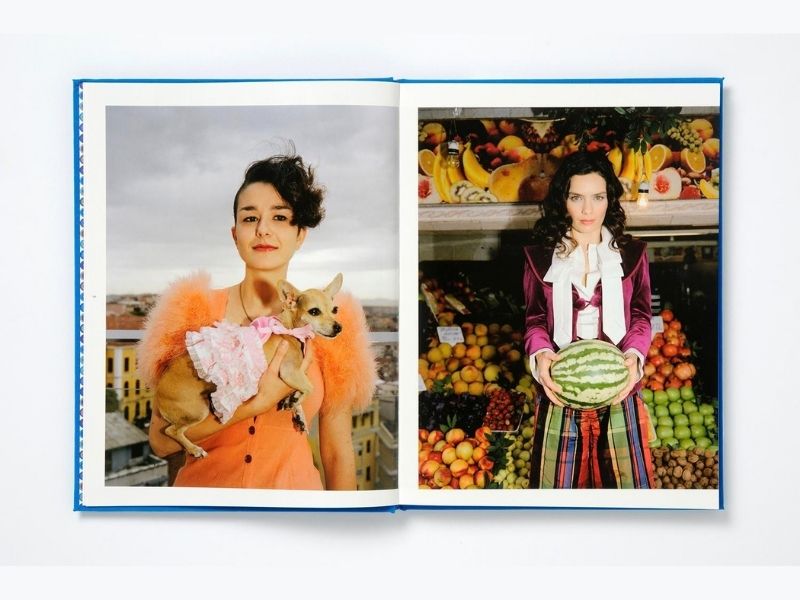
Martin Parr, who turned clichés upside down, also came to Istanbul in 2017. The renowned photographer visited the city as part of Mavi Jeans' “Masters in Today's Istanbul” project. Rather than portraying Istanbul through an Orientalist or romantic melancholy, he photographed the city with a distinctly “Parr-style” dynamism. From shopkeepers in Eminönü and fishermen on the Galata Bridge to the explosion of colors in neighborhood markets and people sunbathing along the Bosphorus, he captured Istanbul's unique chaotic energy.
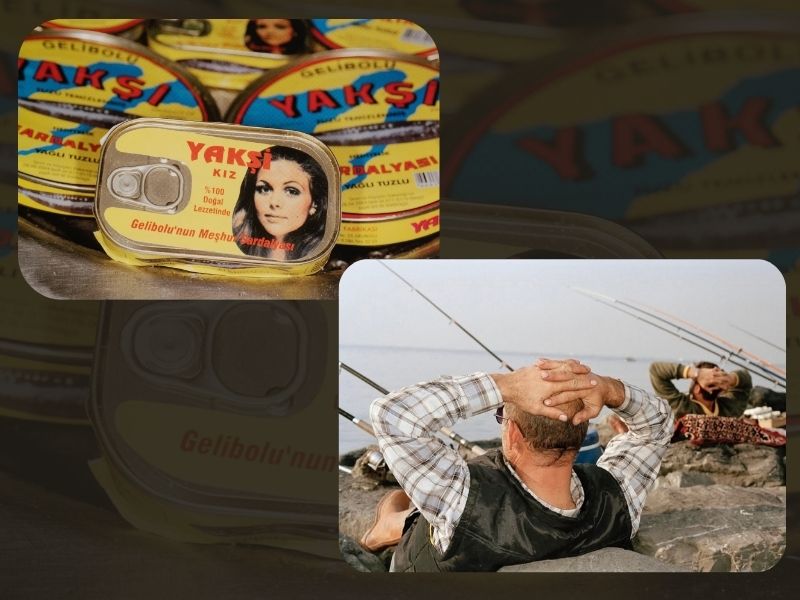
In the Istanbul project, Parr immortalized the intertwining of the city's traditional texture and modern consumer habits through his distinctive flash technique and highly saturated colors. Instead of documenting only Istanbul's historic silhouette, he brought together vivid and authentic portraits of the people living, drinking tea, shopping, and rushing around in front of that silhouette, creating a thoroughly modern and ironic visual archive of the city.
We respectfully remember photography master Martin Parr.