
















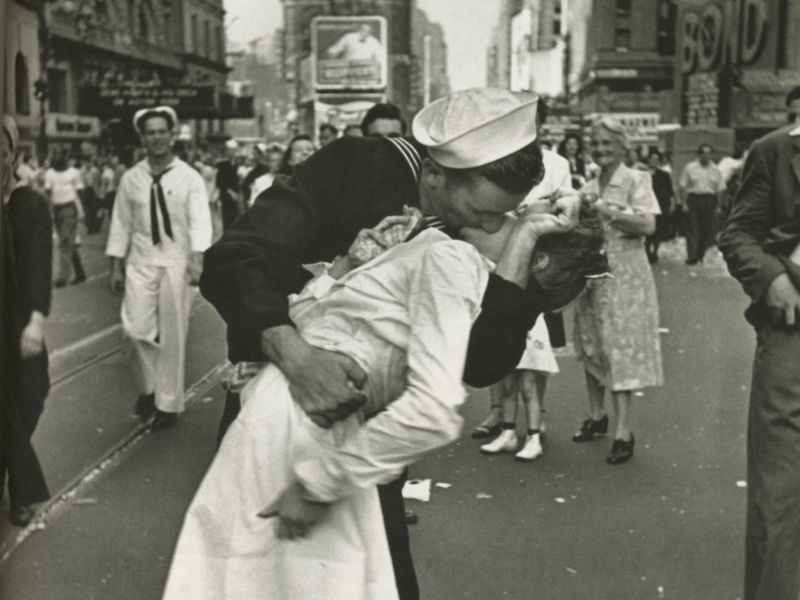
Ethics refers to the set of moral principles of an environment. It is also a concept that encourages everyone to adopt behaviors that are considered appropriate according to the existing moral standards. However, since being ethical is subject to unwritten rules, it may vary depending on individuals, professions, and cultures; in other words, it is relative. We wanted to talk a little about this concept, which we have been hearing more and more about in photography recently.
Text and Photographs: Yüksel ALTUN
Photography developed rapidly through technological advances following its invention. The process began with black-and-white film, continued with color photography, and eventually reached our phones with the digital revolution we have witnessed.
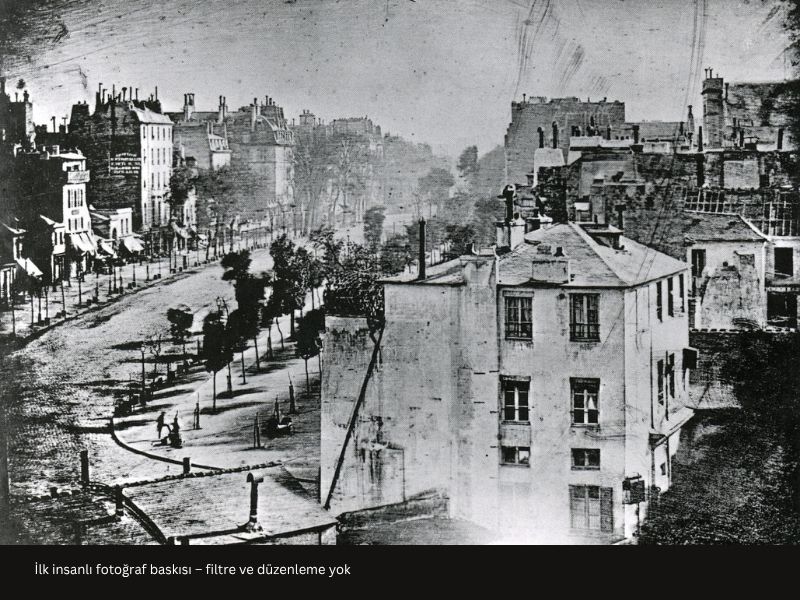
Media, which emerged as a powerful tool for influencing and manipulating people, is also an environment in which photography is extensively used. At this point, especially when considering today's world, it is inevitable to discuss the importance of ethics in photography. Should photography only be allowed to show reality, or is it acceptable to alter images? And if manipulation is acceptable, what should its limits be? These are difficult questions to answer, but with a little common sense, we can establish a set of ethical rules and guidelines to help photographers determine what is acceptable and what is not.
It is becoming increasingly difficult to trust images we see on websites or in the news media because they may have been altered, fabricated, or staged. Being able to distinguish what is ethical has become important. Something may be legal but not ethical. Written and unwritten laws vary from one region to another. Therefore, before you start taking photographs, you need to make sure that you understand what you can and cannot do.
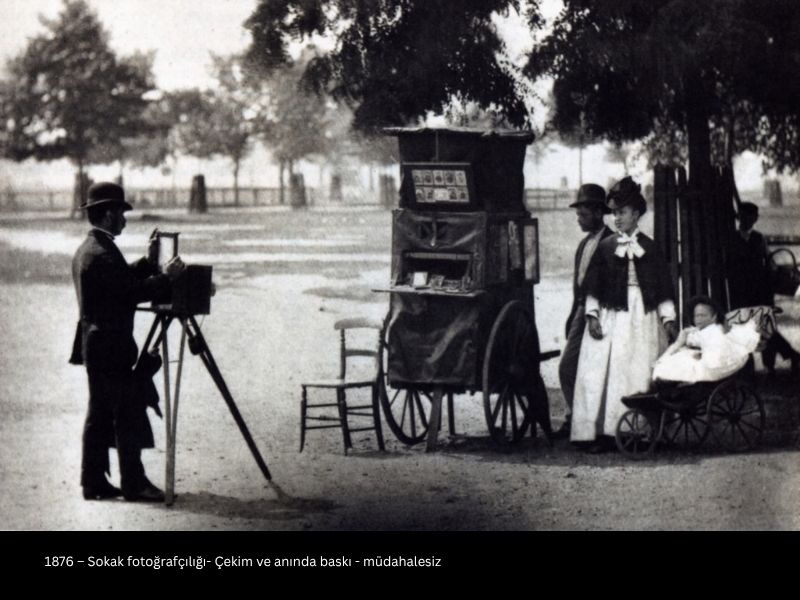
1. Image Theft
With billions of photographs so widely available across every online platform, it is common to see not only individuals but also companies using other people's work for their own benefit. Images are often modified and used without obtaining any permission. One example is paintings created by some artists by looking at photographs.
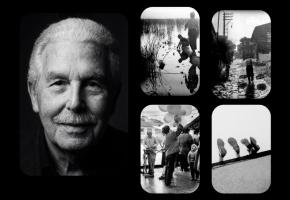
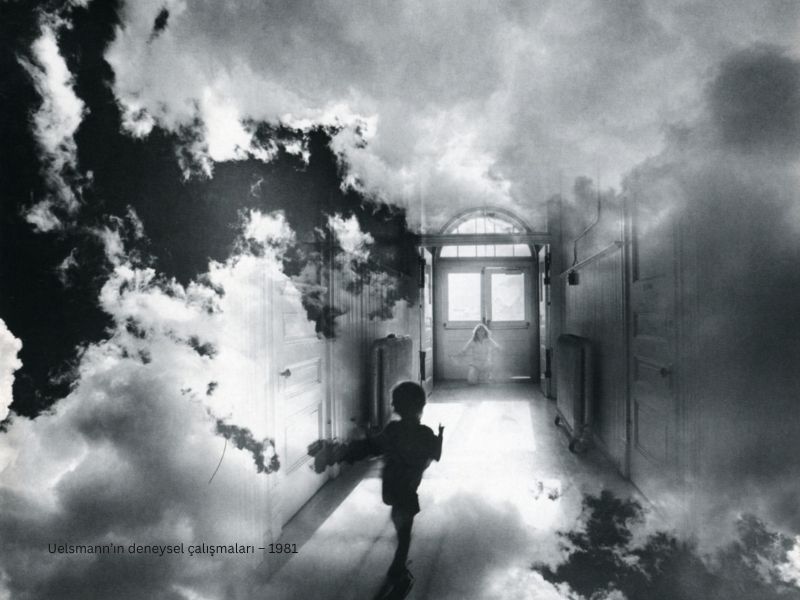
Another example is photographers who conduct experimental work. Uelsmann created collages using his own photographs. But what about photographers who do not use their own photographs?
2. Photo Plagiarism
This refers to situations in which a photographer takes another photographer's idea and perspective in order to create a shot that is not identical but very similar. This can lead to controversy among photographers on both sides. Is it acceptable to recreate such images by being inspired by the photographer who originally took the photograph? And if it is acceptable, should permission be requested?
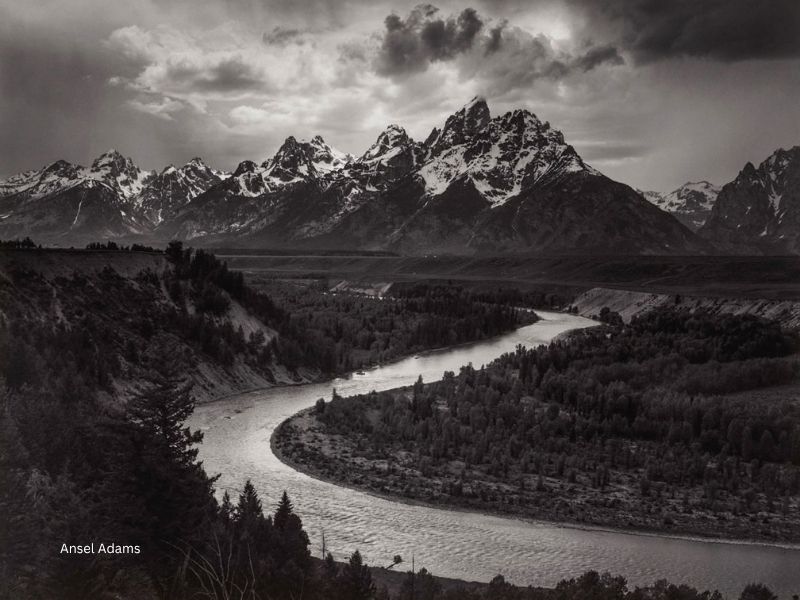
For example, in landscape photography, there are situations in which a photographer discovers a unique location where certain angles and shapes work particularly well and makes it popular. There have been many such images throughout history. For example, Ansel Adams made the Snake River view in Grand Teton National Park very popular. Since then, countless photographs have been taken by other photographers from very similar perspectives and angles. Does this mean that they have to credit the source every time?
When it comes to ethics, this is a difficult question because landscapes are constantly changing. However, if someone were to arrange the trees to resemble those in Ansel Adams' original photograph and convert the image to black and white with similar shadows and cloud formations, it could be considered plagiarism. Unfortunately, plagiarism is almost unavoidable in the world of social media. Photographers are constantly "borrowing" ideas from other photographers, and some are very good at it. What they do may not have an ethical basis, but it is widely practiced in the photography world.
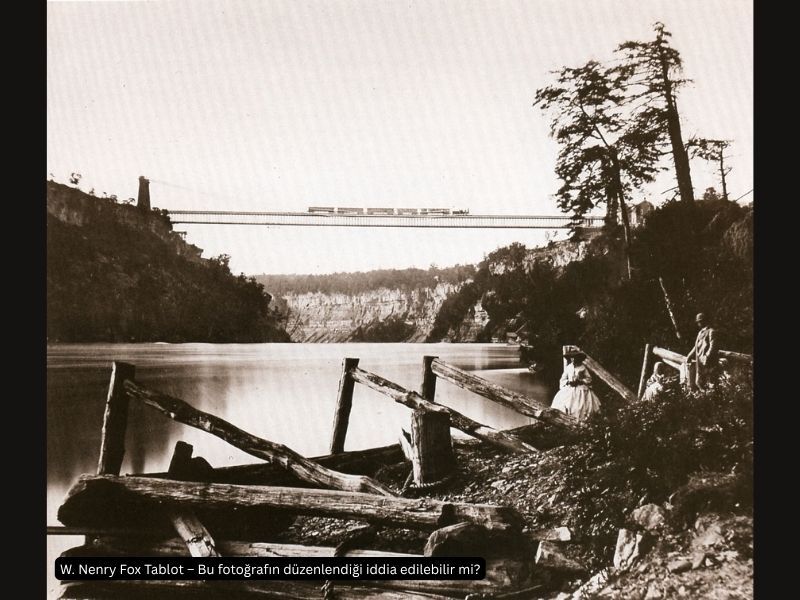
3. Photo Manipulation
Now let's expand the topic of ethics in photography to photo manipulation. Where should manipulation be allowed, and to what extent? Many photography enthusiasts would argue that photographs should not be altered in any way and should retain their originality. Some even argue that cropping should be prohibited. At the other extreme are photographers who support heavily manipulating images in order to influence people's minds and change their perceptions or opinions. Manipulation may be appropriate in experimental work, but in general, let's look at different genres of photography.
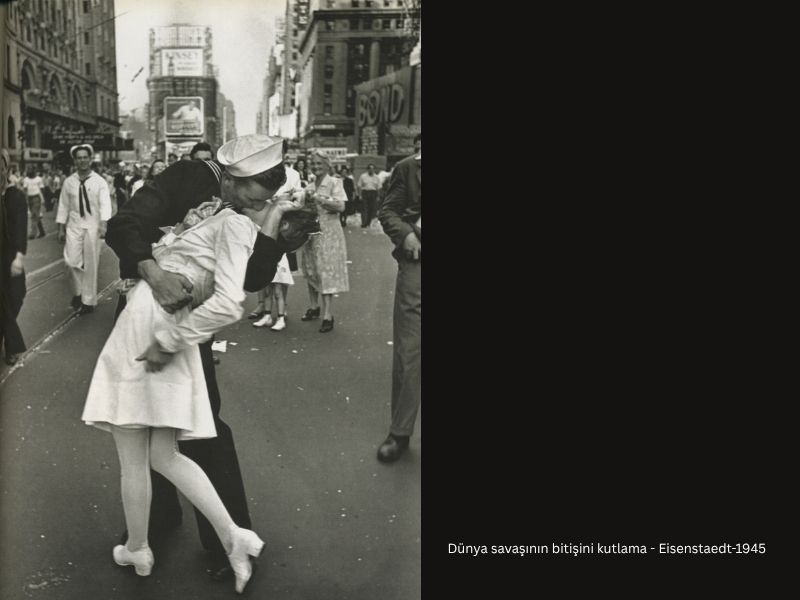
3.1. Documentary, News, and Photojournalism
Today, news sources rely on images provided by the public more than ever before. However, it is especially useful for publishers to verify images coming from disaster, conflict, and war zones. This is because such content plays a major role in shaping public opinion and can even influence people's future decisions. Due to the importance and potential impact of such documentary images, presenting them without any manipulation is the ethical approach.
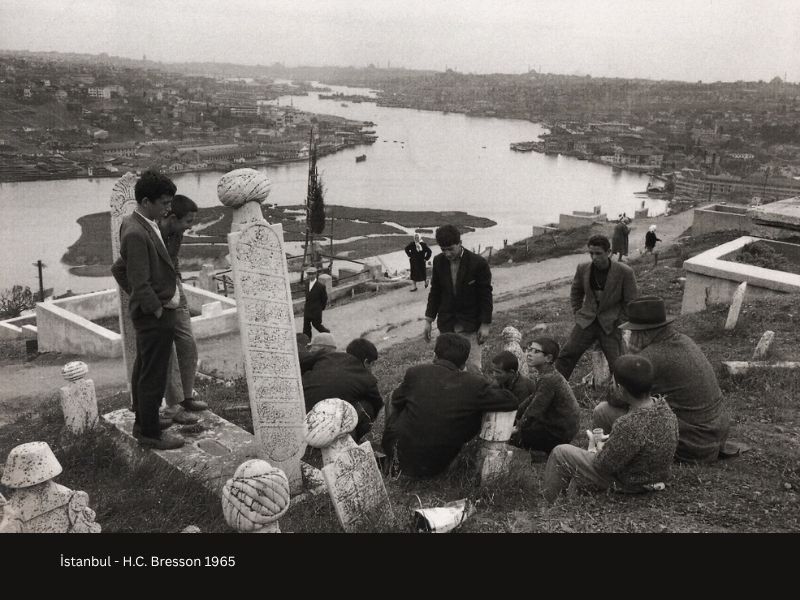
This includes documentary photography, all kinds of news and photojournalism, and even street photography. This is because such images are historical records and should not be manipulated.
3.2. Portrait and Fashion Photography
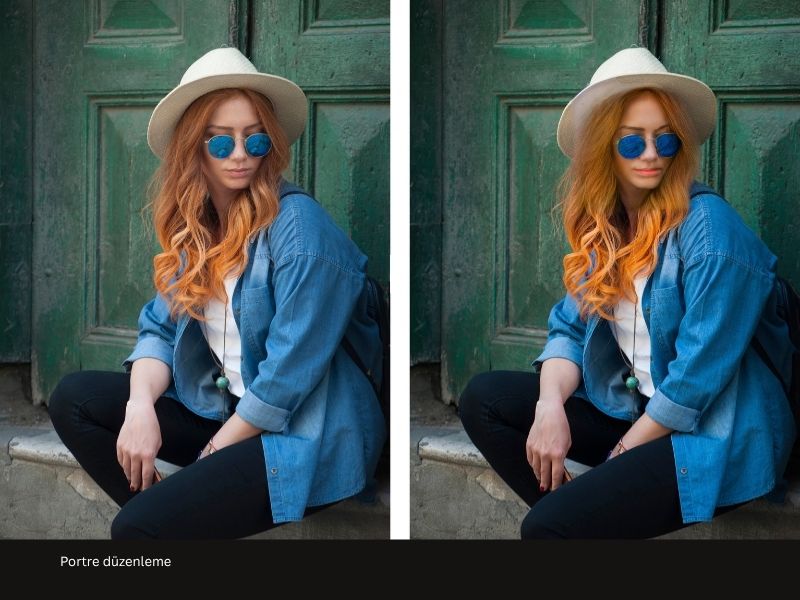
Portrait photography, and especially fashion photography, is undoubtedly one of the genres most affected by Photoshop today. Almost every photograph you see on the cover of a magazine today has been digitally altered. Although the changes may be very minor in some cases, in many cases photographs undergo numerous transformations that make them look significantly different from the original. Such retouching has become so common that it is now considered a "normal" practice to make a model or celebrity look flawless. But where is the fine line between what should and should not be considered ethical? This is also a difficult question to answer because there will be people who strongly defend both sides.
Retouching should be acceptable to some extent. While making color and contrast adjustments, correcting skin imperfections may be allowed. However, we recommend that photographs that will serve as documentary records should not be altered, as editing is prohibited for biometric photographs required for visa applications.
3.3. Nature Photography
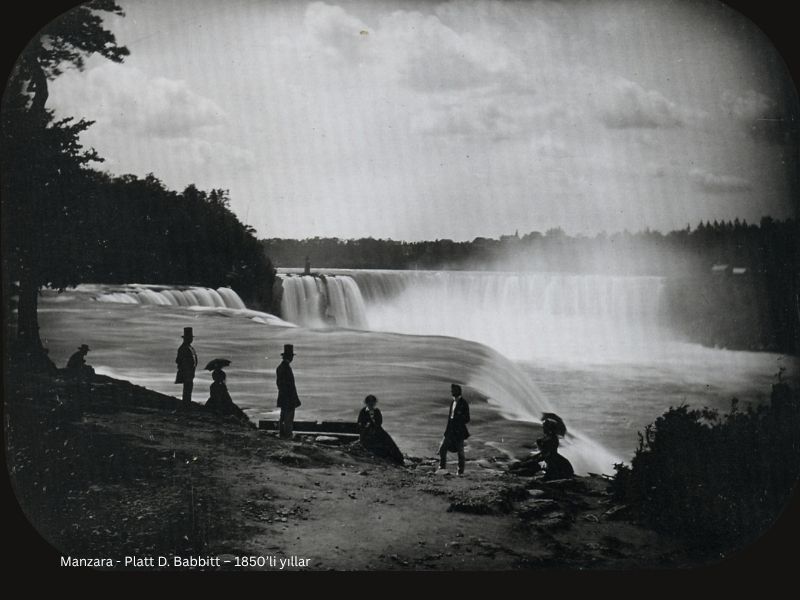
The pure beauty of wild and mysterious nature attracts people. We know that nature can present itself with vivid and beautiful colors during the peak hours of golden hour, while those gloomy, cloudy days can also have a profound effect on our mood. Therefore, when we become absorbed in a photograph of a captivating landscape, we always assume that we are seeing reality: we want to believe that the photographer was there at the right time to capture the natural beauty.
When we encounter a nature photograph that does not look realistic, the moment we realize that the photograph was not actually real, a feeling of distrust toward the photographer arises. We feel deceived and misled…
3.4. Travel Photography
There are many ethical concerns when it comes to travel photography. Unfortunately, as humanity, we do not have established rules or guidelines that apply to all countries, cultures, tribes, groups, and individuals. Therefore, it is important for us as photographers to research cultures, religions, and other social norms before deciding who and what to photograph.
For example, failing to comply with the rules in countries such as North Korea can result in imprisonment. If you photograph Mexicans who believe that photographs steal their souls, you may get into trouble. Local laws, rules, and norms should always be respected.
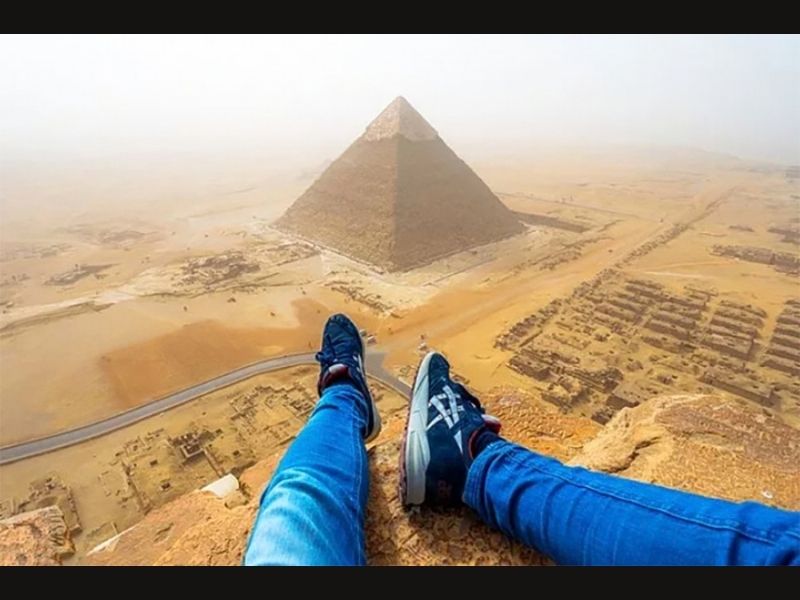
Climbing ancient structures in Egypt is prohibited for several reasons. Climbing is unsafe, and stone blocks can become worn and collapse. A German teenager illegally climbed the Great Pyramid of Giza despite local laws prohibiting climbing ancient structures. He photographed his dangling feet together with the landscape and was fined as a result.
Apart from the situations mentioned above, there are many ethical factors to consider when taking travel photographs. For example, is it appropriate to pay a model to take a photograph? You have probably seen photographs of fishermen on their boats with cormorants, holding lamps, with beautiful distant mountains in the background. When you visit the location where these photographs were taken, you discover that there is actually a large group of fishermen who are ready to pose for money. In this region of China, where these photographs are taken, there are almost no fish left because of overfishing and pollution. As a result, the traditional cormorant fishing culture exists today only for photographic purposes. Do you think it is ethical to engage in such practices?
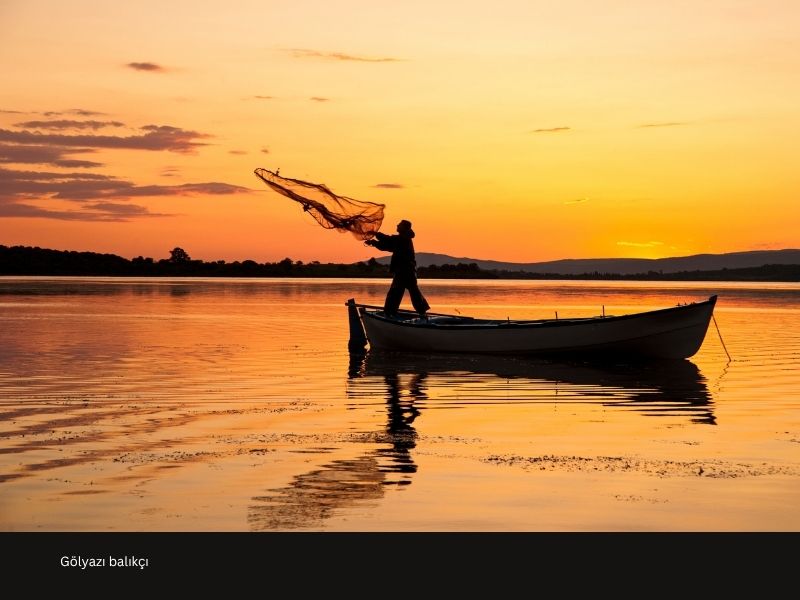
This may vary from person to person, but in many parts of the world it has become increasingly common to pay people in exchange for having their photographs taken. So, when traveling, should we ask for permission before taking photographs? This applies to all kinds of portrait photography, especially street photography. If the purpose is to make a profit from selling such images, whether through selling the photograph itself or using it in competitions, is it acceptable to photograph people without obtaining their permission?
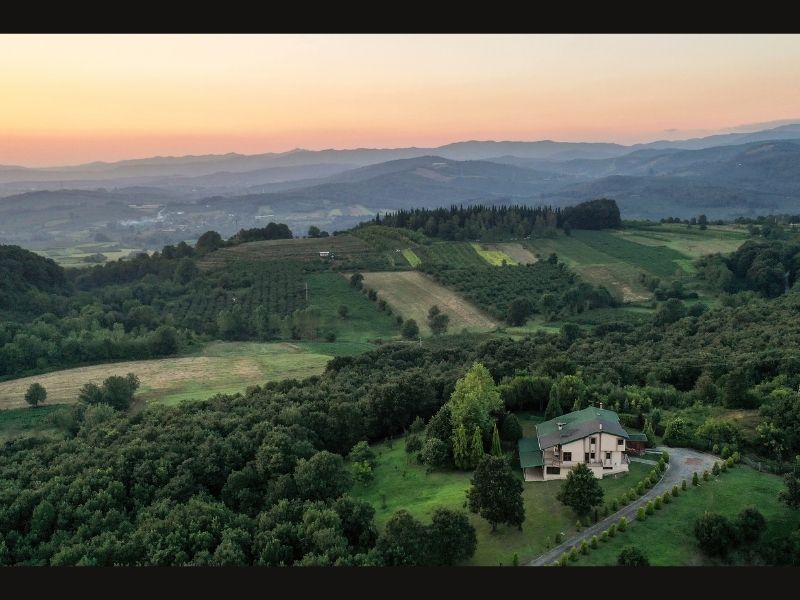
3.5. Drone Photography
Over the past few years, drone photography has been on the rise. Photographers and cinematographers use drones to capture unique images from angles and distances that would otherwise be impossible to achieve. Although the idea of drone photography is appealing to many people, it also raises several serious concerns. Alongside the freedom of the photographer, the privacy of the location ethically requires permission.
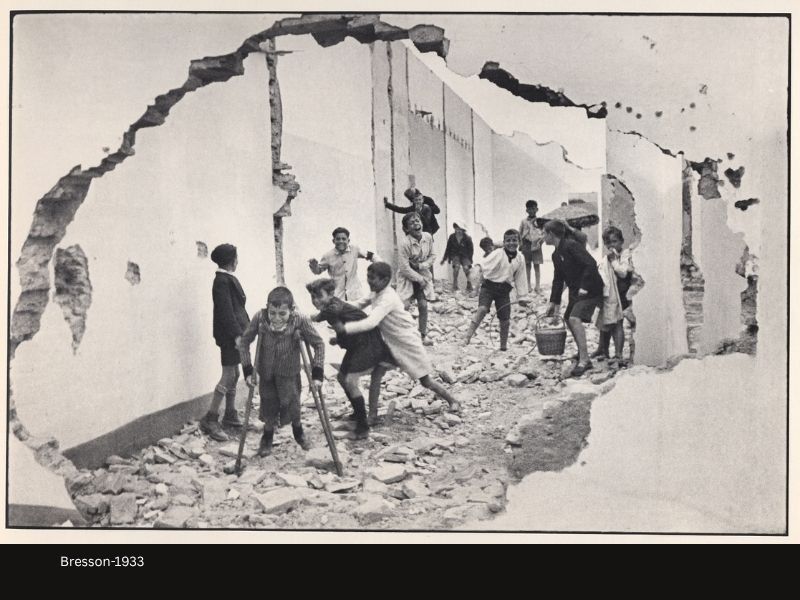
ETHICS IN STREET PHOTOGRAPHY
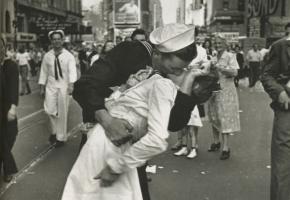
Street photography involves events and spontaneous encounters taking place in public spaces, scenes from the streets, and life itself. Street photographers create images that illuminate aspects of society that may not be easily visible to the naked eye. Henri Cartier-Bresson, one of the pioneers of the genre, attempted to capture eternity in a "decisive moment" with his camera and continually pursued elusive visual references to life and the visual present.
Freedom of Expression and the Right to Privacy
In general, if a photographer is shooting in a public place, they have the right to take photographs without asking for permission as an extension of their right to freedom of expression. In most cases, this applies to photographing buildings, sites, and people. However, there are exceptions. The right to privacy is also very important. Sometimes it is even more important than the right to photograph in public spaces. We also need to be more sensitive when photographing children.
Most of the ethical dilemmas surrounding street photography involve finding a balance between a photographer's right to freedom of expression and a subject's right to privacy. Regardless, it is important to take some time before going out to photograph to think about your own practices and ethical principles.
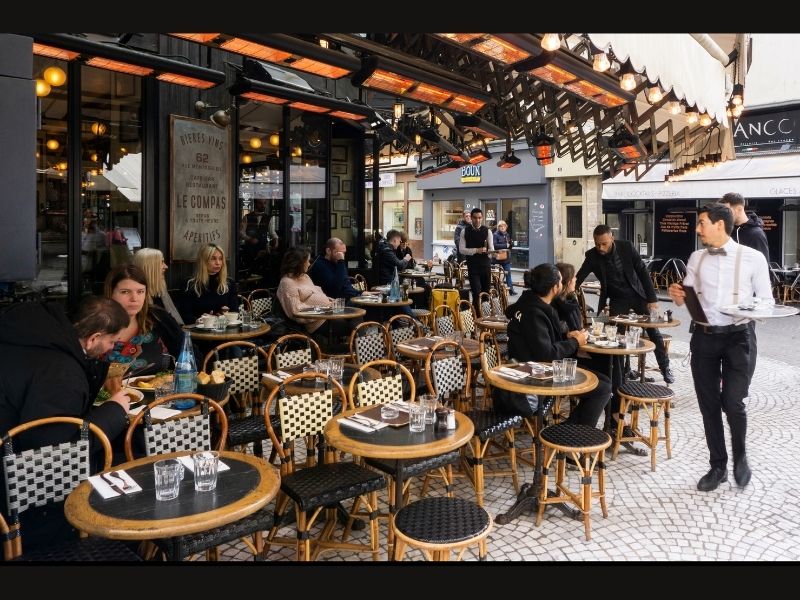
Asking for Permission
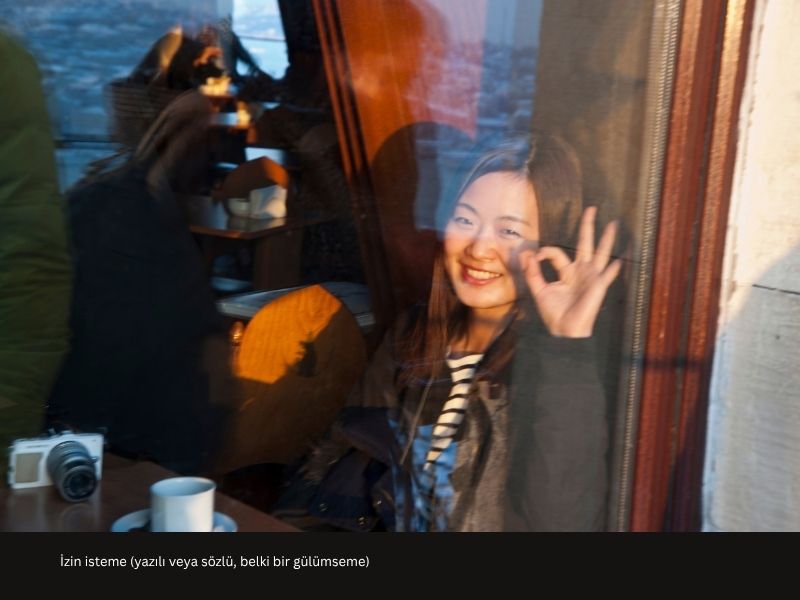
Whether or not it is legally required, the most obvious way to avoid conflict is to ask for permission. Contrary to popular belief, street photography does not necessarily have to be candid. This means that if you are unsure about a situation, you can ask a subject whether they would be uncomfortable having their photograph taken without compromising the ethics of street photography.
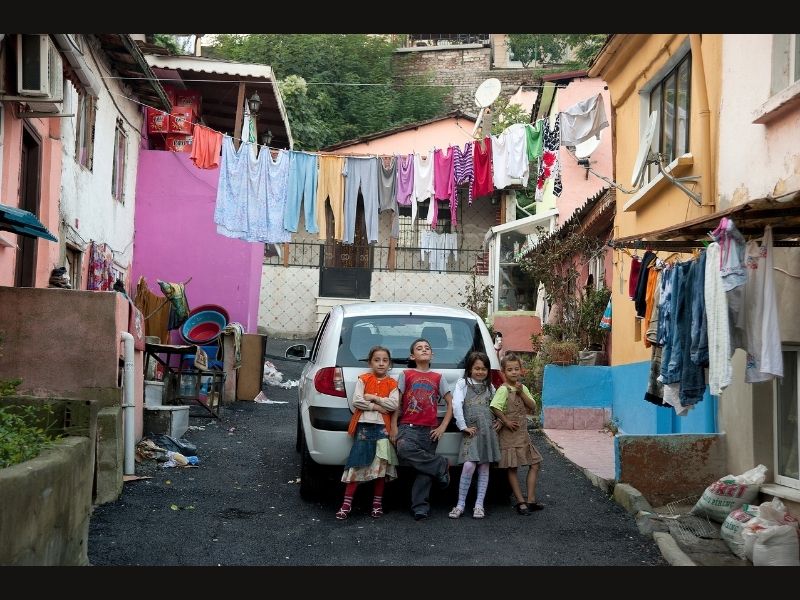
Reason for Taking the Photograph
Another important factor in approaching street photography ethically is motivation. First, why are you doing street photography? Taking some time to evaluate your motivations and goals will result in more impactful images because you will know what you are looking for.
Communication
Asking for permission is one way to take a good photograph. There are other ways as well: smiling is one of the easiest ways to show someone that you have good intentions. If someone catches you taking their photograph, they will usually look at you out of curiosity. Respond with a genuine smile, and nine times out of ten, your subject will smile back and continue with their day. Simply explaining that you are a photographer and friendly communicating the reasons behind the photograph will usually relieve people's curiosity or concerns.
Showing Respect
Respect your subject's wishes. You may encounter hostile attitudes. You can explain that you have the right to take photographs in public places. However, if someone asks you to delete the photograph, please delete it.