



















For nearly ninety years, Canon has helped shape imaging technology. Its influence extends beyond camera development to the way photographers see, describe and remember the world. From its first 35 mm camera to today’s mirrorless systems, this story is ultimately driven by the human passion for storytelling.
Life is often made up of moments that pass in the blink of an eye: a child’s first step, lightning splitting the sky, a historic victory, a silent tear, or those few seconds when the light gently shifts at sunset. Although these moments pass, a single photograph taken at the right time can bring back the same emotions years later. Photography is therefore more than a means of producing images. It is a universal language of storytelling that builds humanity’s shared memory, defies time and carries emotions across generations.
Canon’s journey of nearly ninety years has unfolded in the spirit of bearing witness. From its first camera to today’s advanced imaging systems, the brand has developed technologies that transform how the world is seen, recorded and described.
Designing More Than a Camera
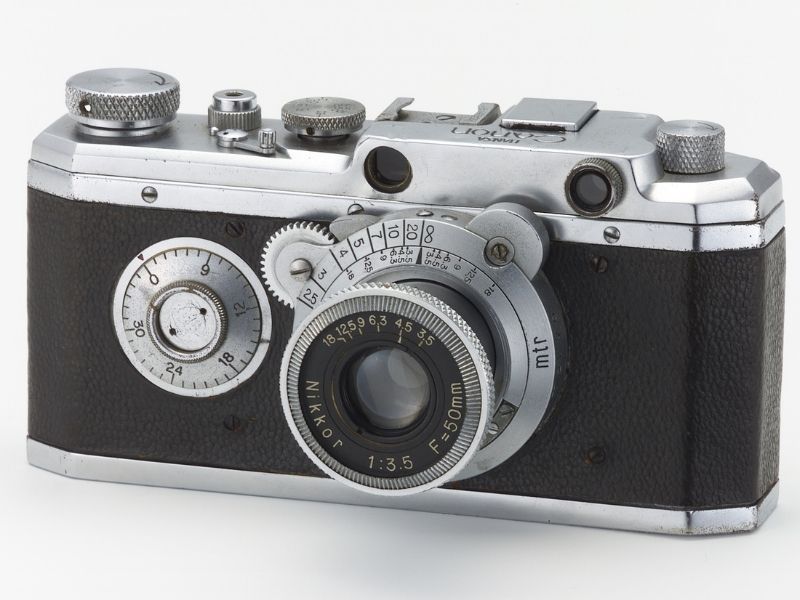
Canon, which set out with the aim of developing the best camera in the world in the 1930s, started a long-term technology journey that would shape the history of photography with its first commercial 35 mm camera, Hansa Canon .
Photography has changed completely over the years. Rolls of film have given way to digital sensors, imaging technology has advanced with every generation, and cameras have become faster, smarter and more intuitive. Throughout this transformation, however, Canon’s outlook has remained consistent. It recognises that technical superiority alone does not determine the value of a powerful photograph. What makes an image unforgettable is the light captured at the right moment, the emotion it conveys and the story it tells. Every technology developed with this understanding has aimed to bring the photographer’s creativity to the fore. Canon has never placed technology ahead of the story; instead, it has sought to make technology unobtrusive, bringing photographers closer to the images they imagine.
Making Photography More Accessible for Everyone
The history of photographic technology has also been a history of bold transformations. Introduced by Canon in 1976, the AE-1 was one of the world's first microprocessor SLR cameras, making taking photographs easier and making photography accessible to many more people. Pressing the shutter button was no longer a technical skill, but a natural part of storytelling.
The EOS System, which came years later, took this transformation to a completely different point. With the electronic lens mount and autofocus technology, a new era has begun that changes the perspective of millions of people, from war reporters to nature photographers, from professionals waiting on the edge of sports fields to young photographers taking their first portraits.
Framing a New Era
What changed when memory cards replaced rolls of film was much more than the way photos were stored. People were now seeing the world more often, sharing their moments more quickly, and telling their own stories much more freely. Canon was one of the brands that guided this transformation. With the PowerShot series, it brought high image quality into the rhythm of daily life and incorporated photography into the natural flow of life. The shots that were once reserved for carefully prepared albums are now finding a place on journeys, on the streets, at family tables and in seemingly ordinary days.
Professional photography was evolving at a different pace. With more responsive autofocus, powerful image processors and an EF lens ecosystem that expanded year after year, the EOS DSLR family became trusted equipment for photographers around the world. From the Olympics to conflict zones, and from wildlife to fashion shoots, countless stories were captured through Canon lenses and etched into memory.
A New Look Beyond the Mirror
As technology has developed, expectations have changed; Photographers began looking for lighter equipment, faster work paces, and systems that didn't interrupt their creativity. Canon, as it has done in every period, chose to be a part of the change rather than watching it from afar. EOS R System was one of the strongest steps of this new era. By combining mirrorless camera technologies with a powerful RF lens ecosystem, advanced optical design and new generation autofocus technologies, it has made photographers' production processes smoother, more intuitive and freer. The camera has become a natural companion that adapts to the photographer's rhythm, rather than a piece of equipment that requires attention.
A Legacy Beyond a Single Frame
Canon’s story, spanning nearly ninety years, is about far more than technological progress. Every new camera, lens and imaging technology reflects the human desire to see, understand and describe the world more fully. At the heart of this approach is the philosophy of ‘Kyosei’, which has guided Canon’s path since its establishment. Envisioning a future in which different cultures, societies and people can live together in harmony, this philosophy shapes both the brand’s technologies and its social and cultural projects.
Canon’s story therefore extends beyond lenses and sensors. Through the Canon Young People Programme, it encourages fresh perspectives with educational initiatives supporting young photographers. Its World Unseen exhibitions demonstrate that photography can be experienced through feeling as well as sight, making the universal language of images accessible to everyone.
The essence of Canon’s nearly ninety-year journey lies far beyond technology. Photography can stop time for a moment while carrying emotions into the future. It can preserve a culture’s memory or invite us to see the world from a completely different perspective through a single frame. Since its earliest days, Canon has continued to support this power through every technology it develops, inspiring people to tell their own stories as naturally and compellingly as possible. It believes that the most valuable legacy is the stories that continue to be remembered. World Photography Day on 19 August remains a meaningful occasion to celebrate the shared passion of photographers and photography enthusiasts who pursue these stories, preserve fleeting moments and leave their mark on the future.